
Yorkshire · The Mouseman
The Mouseman of Kilburn: why there are carved mice all over Yorkshire
Look closely at the oak in a Yorkshire church and you may find a small mouse carved into it. Here's who put it there, why, and where to go looking.
- Who
- Robert Thompson, 1876–1955, the Mouseman of Kilburn
- First mouse
- 1919
- Trademark
- Registered 1931
- Made of
- English oak, worked with hand tools
- Where to see mice
- York Minster, Ripon Cathedral, Ampleforth Abbey, Kilburn church, and many village churches
- The workshop
- Kilburn, York YO61 4AH. Showroom and viewing gallery open on weekdays
- Still made
- Yes, by Robert Thompson's Craftsmen Ltd, run by his descendants
The short answer
The carved wooden mice in Yorkshire's churches are the signature of Robert Thompson (1876–1955), a furniture maker from the village of Kilburn in North Yorkshire, known as the Mouseman. He carved his first mouse in 1919, registered it as a trademark in 1931, and put one on every piece his workshop made. The workshop is still in Kilburn, still run by his family, and still carves a mouse on everything.
Sooner or later, in a Yorkshire church, somebody nudges you and points at a pew. There’s a mouse on it. A small wooden one, carved into the oak as if it had run up there and stopped. Then you see another on the lectern, and you spend the rest of the visit hunting for more.
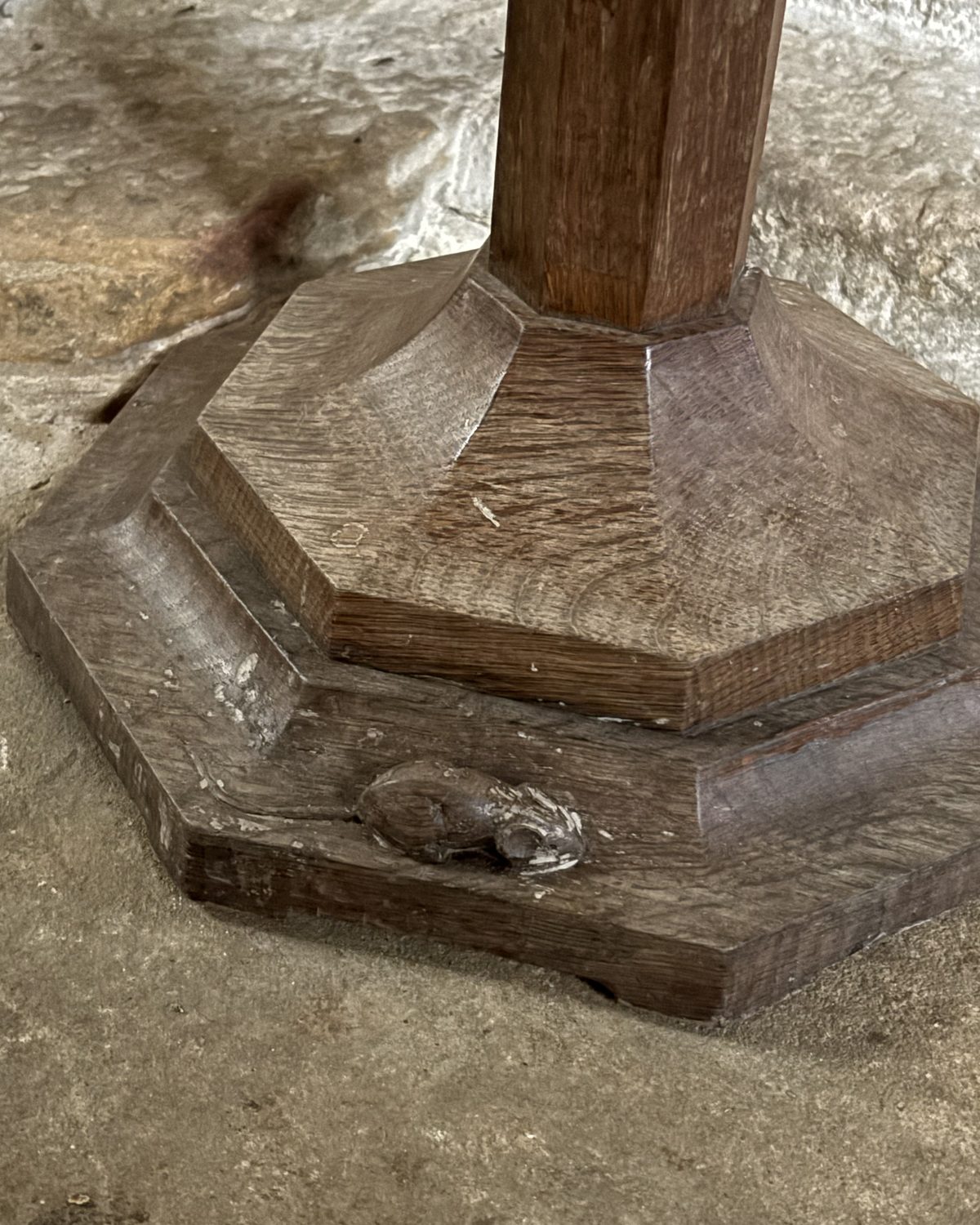
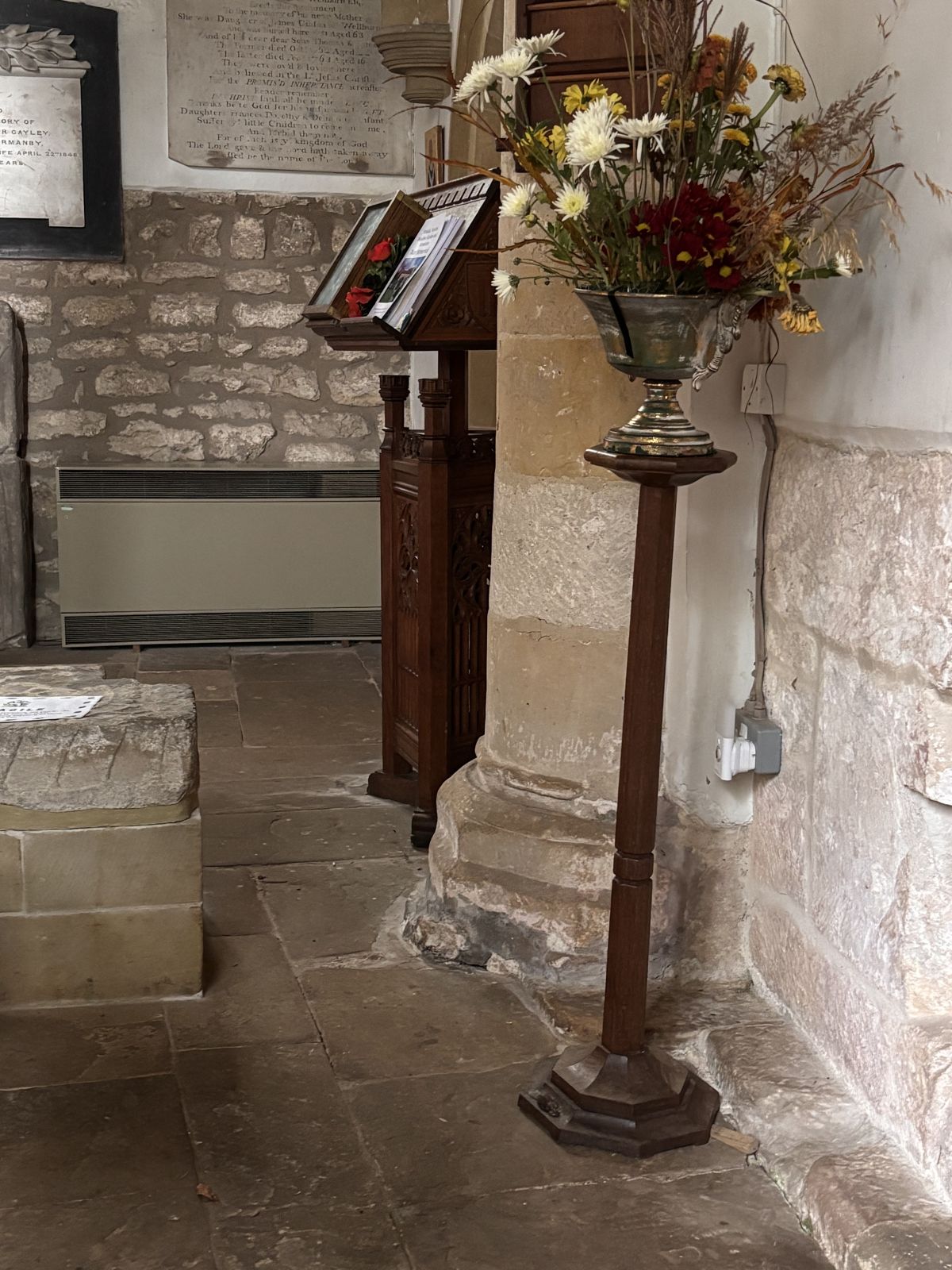
They’re the signature of one man, Robert Thompson of Kilburn, and of the workshop he left behind. I found one in October 2026 at St Gregory’s Minster in Kirkdale, at floor level, on the foot of an oak flower stand. That’s it in the photo above.
Who was the Mouseman?
Robert Thompson was born on 7 May 1876 in Kilburn, a village on the edge of the North York Moors, below the white horse cut into the hillside. His father was the village joiner and wheelwright.
At 15 he was sent away, reluctantly, to an engineering apprenticeship in Cleckheaton, near Leeds. He didn’t like it. But his weekly journey took him through Ripon, and he began stopping at Ripon Cathedral to sketch its fifteenth-century woodcarving. The cathedral’s choir stalls date from the 1490s. (Those are the same carvings that may have given Lewis Carroll his White Rabbit. Ripon’s carvers have a lot to answer for.)
In 1894 he asked his father to take him into the family workshop, and he came home.
What he wanted to do was make furniture the way those medieval carvers had: out of English oak, by hand, with tools like the chisel and the adze, which is an old cutting tool a bit like an axe with the blade turned sideways. He built up stores of oak logs and let them season naturally. Factories could make furniture far faster. He wasn’t interested.
How the mouse began
In 1919 Father Paul Nevill, a monk at nearby Ampleforth, asked Thompson to make a large cross from a single piece of wood. Thompson said yes “without hesitation,” according to the workshop’s own history, although he didn’t yet have the oak. More work for Ampleforth followed, and kept coming.
The mouse arrived the same year. Thompson told the story himself. He was carving a cornice with another carver, who remarked that the two of them were as poor as church mice. “I’ll carve a mouse here,” Thompson said, and did. Then, as he put it, “it struck me – what a lovely trademark!”
The mouse is said to stand for “industry in quiet places.” It’s a good description of a mouse, and a better one of a man carving oak by hand in a small village.
He registered the mouse as a trademark in 1931. Every piece from the workshop has had one since, each carved by hand.
The stand at Kirkdale. The mouse is on the base, at the bottom, where almost nobody looks.
From Kilburn to Westminster Abbey
By the 1930s Thompson was working with leading church architects, among them Giles Gilbert Scott, who designed the abbey church at Ampleforth. The workshop’s history lists commissions from York Minster, Peterborough Cathedral, Westminster Abbey and, fittingly, Ripon Cathedral, where he’d started out with a sketchbook.
He died on 8 December 1955 and is buried in Kilburn churchyard, next to the workshop. His grandsons Robert and John took over the following year. The family is still there: his great-great-grandson Simon started as an apprentice in 1995. About 30 craftsmen work in Kilburn today, according to the Bradt guide, trading as Robert Thompson’s Craftsmen Ltd.
Where to find the mice
His work is in churches, schools, pubs and town halls all over Britain. These are the places in Yorkshire where you’re most likely to be anyway.
| Where | What’s there |
|---|---|
| Kilburn parish church | Next door to the workshop. Mice on the altar rail and the pews. |
| Ripon Cathedral | Commissioned work from Thompson in the 1930s. Ask a guide where the mice are. |
| York Minster | Another of his big commissions. See our guide to York. |
| Ampleforth Abbey | Where it started. Thompson furniture is all through the abbey and the school. |
| All Saints’, Helmsley | On the list of churches with his work. |
| St Gregory’s Minster, Kirkdale | The flower stand in my photos. While you’re there, see the Anglo-Saxon sundial; it’s in our guide to the North York Moors. |
| St Michael and All Angels, Hubberholme | In the Dales. Thompson made most of the furnishings in the 1930s: pews, choir stalls and chairs. |
| St Peter’s, Harrogate | On the list of churches with his work. |
| Holy Trinity, Skipton | The church at the top of the high street, beside Skipton Castle. |
| Skipton Town Hall | The council chamber of 1962 has at least 30 mice. You can see it on open days. |
| Beverley Minster | In the East Riding. St Mary’s Church in Beverley has his work too. |
A few more, if you’re passing: All Saints’ at Bolton Percy; St Margaret’s in Hawes; the lychgate at Greenhow; and The Star at Harome, a pub.
Our tour guide told me the stand at Kirkdale came from the Kilburn workshop. I haven’t found it written down anywhere, so I can’t prove it. But the mouse is Thompson’s registered trademark, and Kilburn isn’t far away.
How to spot one
- Look low. Mice turn up on legs, rails and the edges of bases, not in the middle of a panel.
- Run your eye along the edges. The mouse is carved out of the same piece of wood as the furniture, so it rises from the surface. It isn’t stuck on.
- Ask. Church guides usually know where their mice are.
- Don’t assume there’s only one. Skipton Town Hall has at least 30.
It’s not always a mouse
Several craftsmen who trained with Thompson went on to set up their own workshops, and each chose a creature of his own. Thomas Whittaker carved a gnome and became the Gnomeman. Derek Slater was the Lizardman. Shaw and Riley, at Hessay near York, were the Seahorsemen. If you find a lizard carved into a piece of oak, you’ve found one of the Mouseman’s followers.
Visiting the workshop in Kilburn
The workshop is still in the village, next to the church.
- Where: Kilburn, York YO61 4AH.
- Showroom and viewing gallery: Monday to Thursday, 9am to 5pm, and Friday, 9am to 3.45pm.
- Saturday: the showroom only, 10am to noon.
- Visitor center and café: closed when I checked in November 2026. Look at the workshop’s page before you go.
- In the showroom: furniture Thompson made with his own hands, as well as new work. The furniture is expensive. Smaller things, like napkin rings, are how most people take a mouse home.
Kilburn is close to Byland Abbey and Helmsley, so it fits easily into a day on the southern edge of the moors.
Mice on our trip
Our October 2027 Yorkshire trip doesn’t go to Kilburn, but it passes plenty of mice. We stay across the road from Ripon Cathedral, where Thompson used to stop and sketch. On the Monday we stop in Helmsley for coffee and at Kirkdale for the sundial, and I’ll show you the mouse on the flower stand. Skipton is on the Wednesday. And on your free afternoon in York, the Minster is a good place to start looking.
The Mouseman's world: what else was happening
Robert Thompson was a Victorian by birth who made his name between the two world wars, at a time when factories could turn out furniture far faster than he could. He went the other way on purpose.
- Victorian 1837–1901
- Edwardian 1901–1914
- The wars 1914–1945
- Postwar 1945–1965
The story Britain The wider world Other writers
- 1876 The story Robert Thompson is born in Kilburn, the son of the village joiner and wheelwright.
- 1876 The wider world Alexander Graham Bell patents the telephone.
- 1890 The story At 15 he is sent to an engineering apprenticeship in Cleckheaton. On the way he starts stopping at Ripon Cathedral to sketch the medieval woodcarving.
- 1894 The story He comes home and joins his father's workshop.
- 1897 Other writers Bram Stoker publishes Dracula, with its Yorkshire chapters set in Whitby.
- 1911 Other writers Frances Hodgson Burnett publishes The Secret Garden, set on a Yorkshire estate.
- 1918 Britain The First World War ends in November.
- 1919 The story A monk from Ampleforth asks Thompson for a large oak cross. The same year he carves his first mouse.
- 1919 The wider world The Treaty of Versailles is signed.
- 1931 The story The mouse is registered as a trademark. Every piece from the workshop has carried one since.
- 1931 The wider world The Empire State Building opens.
- 1939 Britain The Second World War begins.
- 1951 The story The business becomes a limited company.
- 1953 Britain Elizabeth II is crowned in Westminster Abbey, one of the churches that commissioned Thompson's work.
- 1955 The story Robert Thompson dies on 8 December and is buried in Kilburn churchyard.
- 1955 The wider world Rosa Parks refuses to give up her seat on a Montgomery bus.
- 1956 The story His grandsons Robert and John take over the workshop.
- 1962 The story Skipton Town Hall opens a council chamber furnished by the workshop, with at least 30 mice in it.
Questions people ask
Who carved the mice in Yorkshire churches?
Robert Thompson of Kilburn, North Yorkshire, known as the Mouseman, and the craftsmen of the workshop he founded. Thompson lived from 1876 to 1955. The mouse is the workshop's registered trademark, and it's still carved on every piece made there.
Why did the Mouseman carve a mouse?
By his own account it began in 1919. He was carving a cornice with another carver, who remarked that the two of them were as poor as church mice. Thompson said he'd carve a mouse there, did, and decided it would make a lovely trademark. The mouse is said to stand for 'industry in quiet places.'
Where can I see Mouseman mice in Yorkshire?
York Minster, Ripon Cathedral and Ampleforth Abbey all have his work. So do Kilburn parish church, the church at Hubberholme in the Dales, All Saints' in Helmsley, St Peter's in Harrogate, Holy Trinity in Skipton and Beverley Minster. There are many more; his work is in churches all over the country.
Can you visit the Mouseman workshop in Kilburn?
Yes. The showroom and a viewing gallery over the workshop are open on weekdays, and the showroom opens on Saturday mornings. The separate visitor center and café were closed when this was checked in November 2026, so look at the workshop's website before you set out.
Is Mouseman furniture still made?
Yes. Robert Thompson's Craftsmen Ltd still makes oak furniture by hand in Kilburn, and the family is still involved: his great-great-grandson started there in 1995. Every piece still has a hand-carved mouse.
Is every carved mouse a Mouseman mouse?
Usually. The mouse is the Kilburn workshop's registered trademark. Craftsmen who trained with Thompson and set up on their own chose different creatures: one became the Gnomeman, another the Lizardman, and a pair of them the Seahorsemen.
Where is the mouse usually hidden?
Somewhere you wouldn't look first. It's often low down: on a leg, a rail, the edge of a base. The one I found at Kirkdale was at floor level, on the foot of a flower stand.
Read next
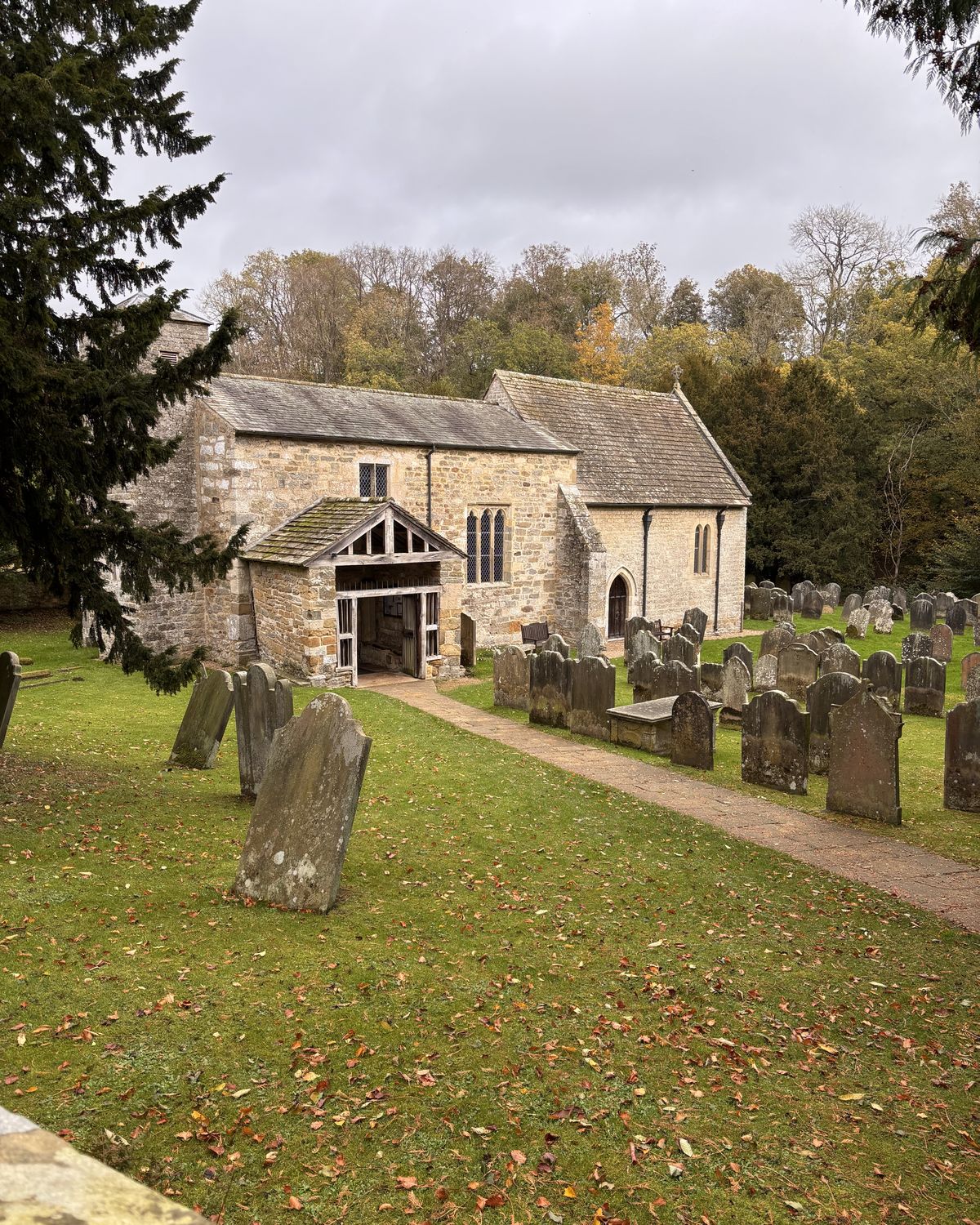 Yorkshire · KirkdaleSt Gregory's Minster, KirkdaleA small church at the end of a lane near Helmsley, with a message carved over the door a few years before the Norman Conquest. It takes fifteen minutes, and it's easy to drive past.
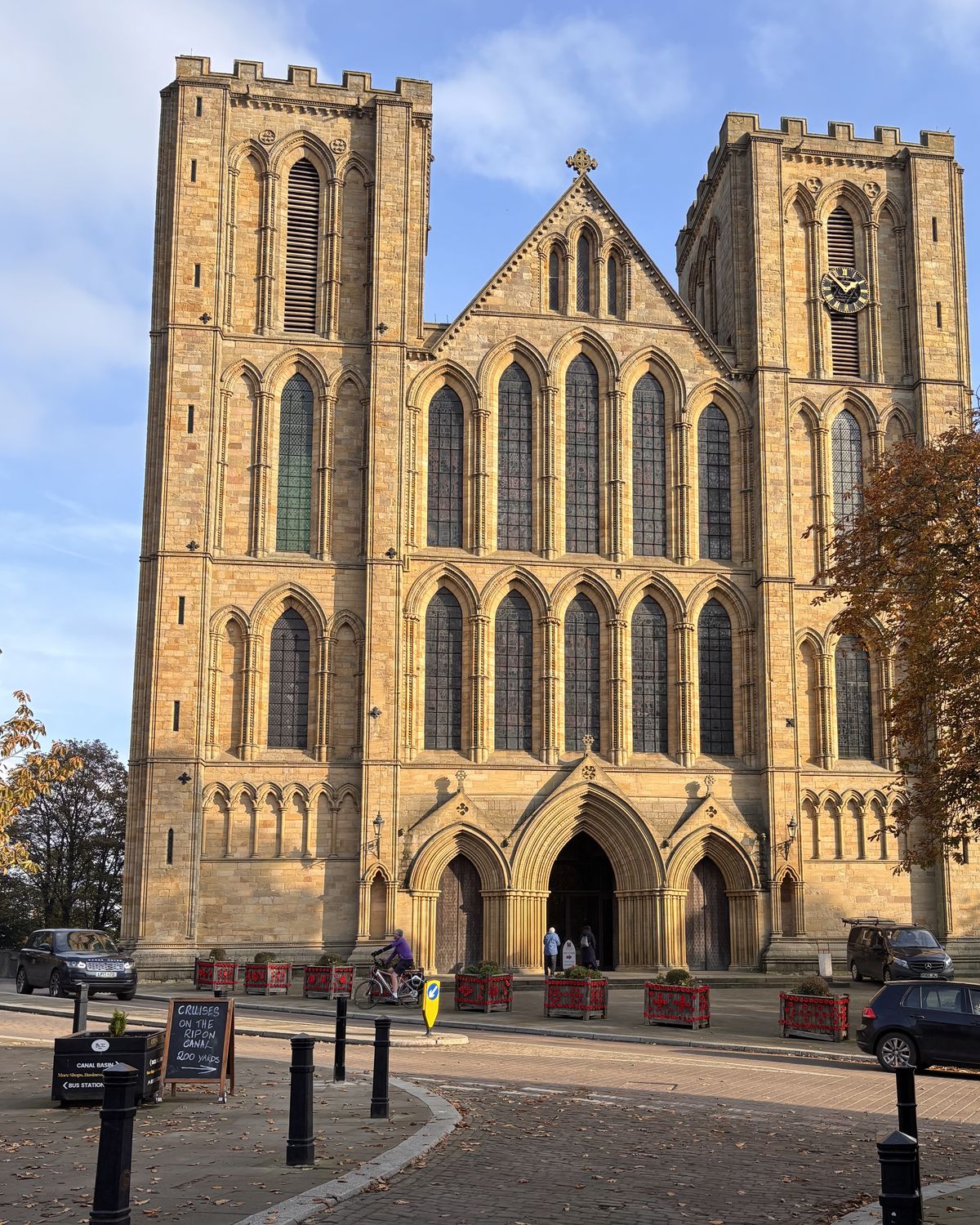 Yorkshire · RiponRipon CathedralA small city's cathedral with a crypt from the year 672 under the floor, medieval carvings that may have given Lewis Carroll his White Rabbit, and a 17th-century dean's house across the road that you can sleep in.
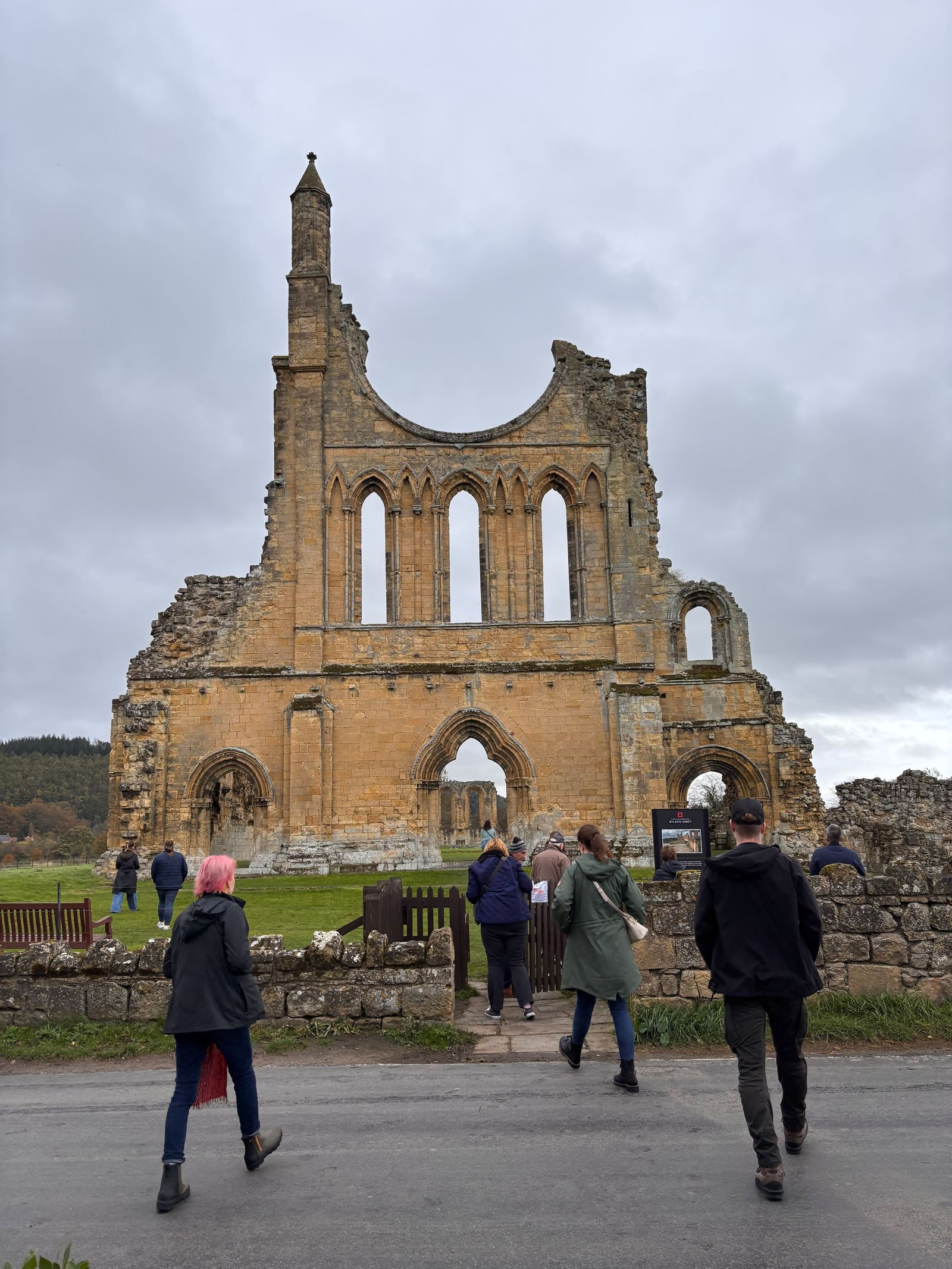 Yorkshire · The moors and the coastNorth York Moors National ParkThe North York Moors are a high plateau of heather between the Vale of York and the North Sea. You can see the best of them in a day. Here's where to stop, and what you can skip.
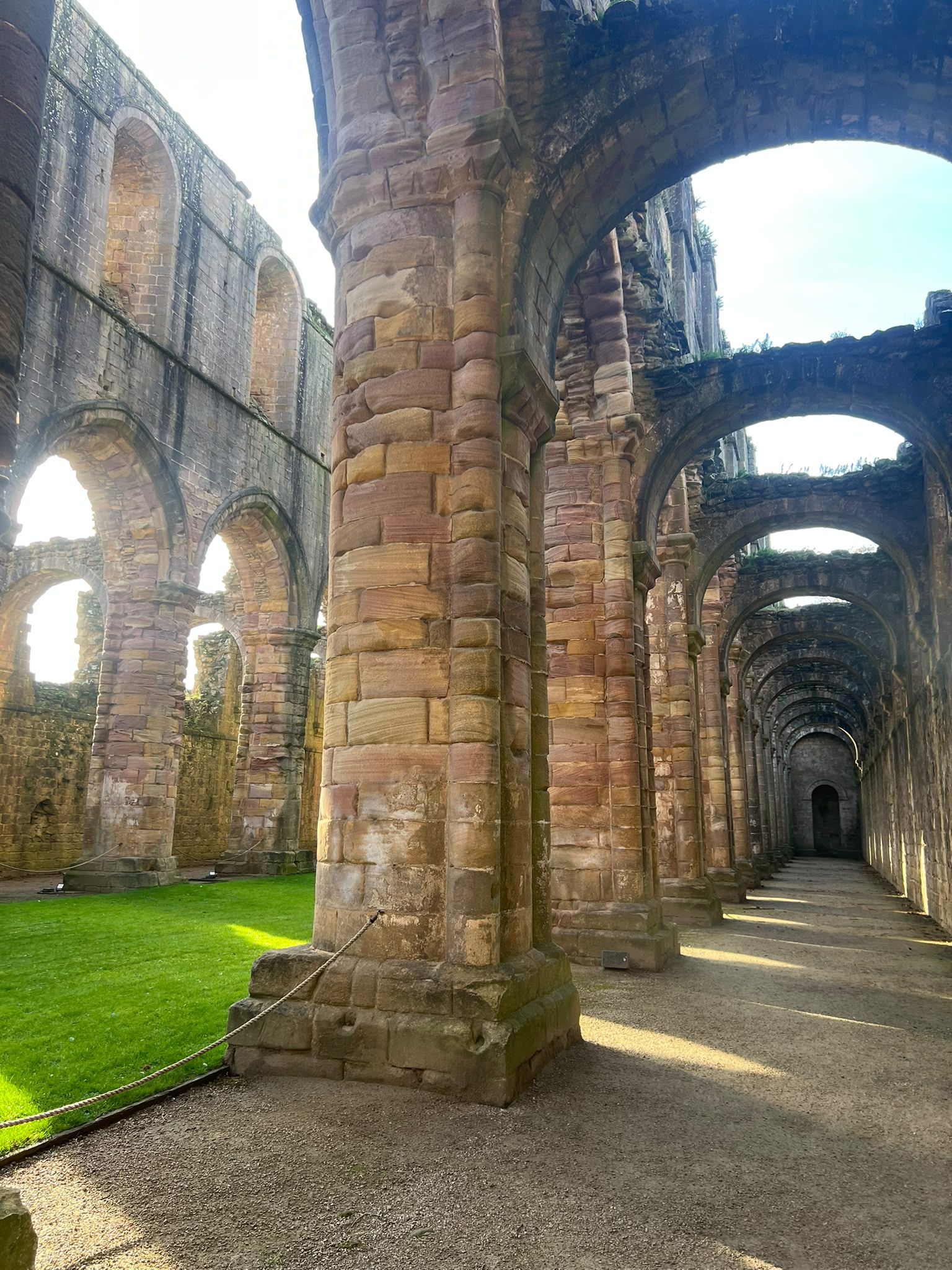 Yorkshire · The abbeysThe abbeys of YorkshireYorkshire is full of great abbey ruins. Here's every abbey you can visit, what each one is like, what it costs, and which to choose if you only have time for two or three.
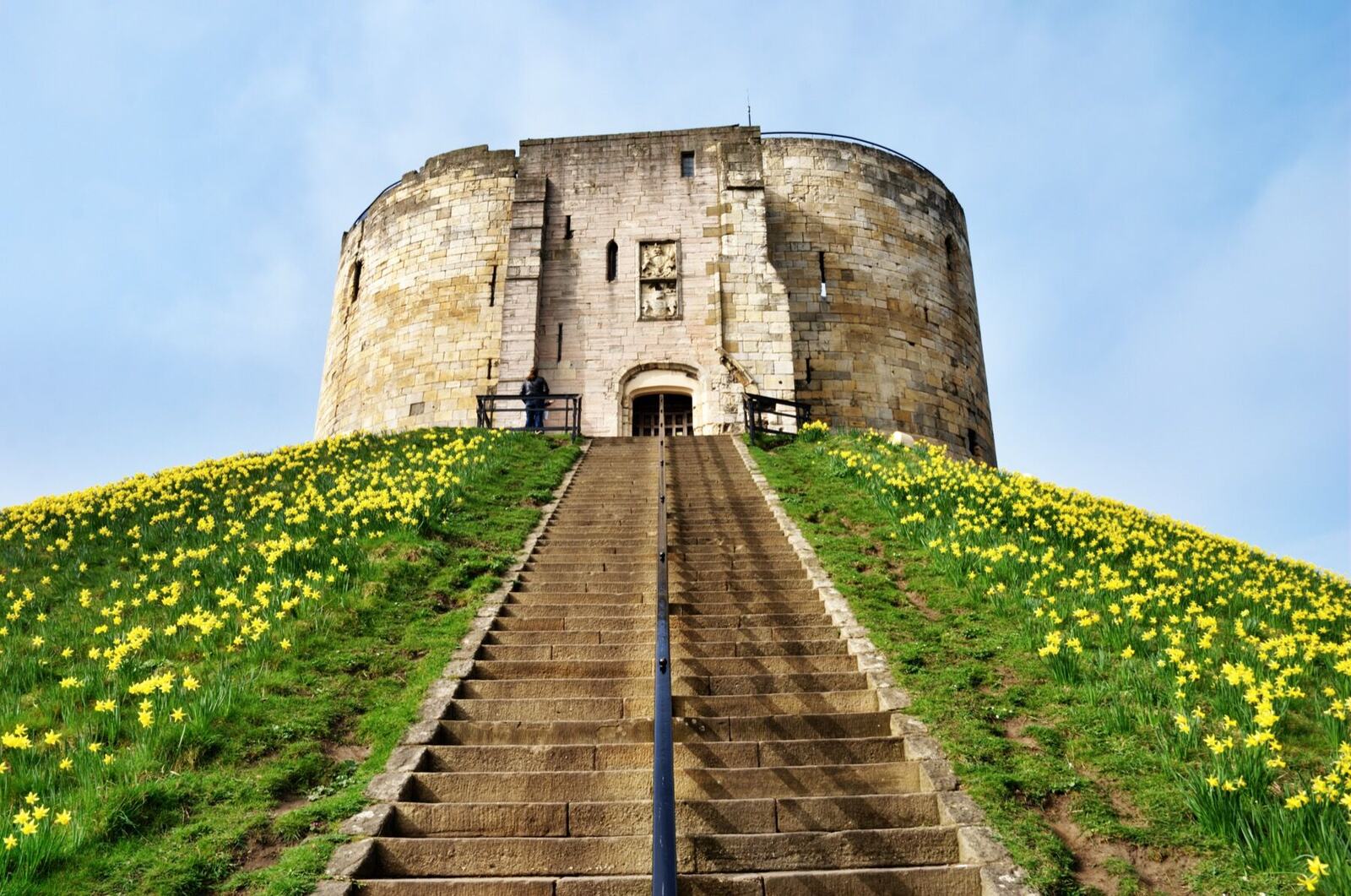 Yorkshire · YorkThings to do in York, UKWhat's worth your time in York, England, how long each place takes, and the people and books tied to the city. All of it on foot.
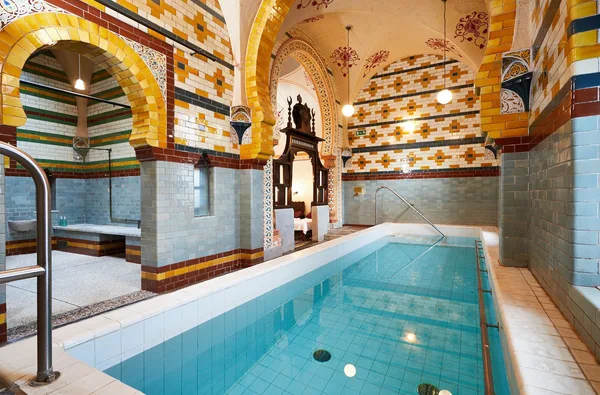 Yorkshire · HarrogateHarrogate, EnglandWhat to do in the North Yorkshire spa town, from someone who lived just outside it for three years and went back to scout it in 2026.
Sources
- Robert Thompson's Craftsmen: The Mouseman story (1876, Cleckheaton 1890, Ripon Cathedral sketches, 1894, Father Paul Nevill 1919, the first mouse, trademark 1931, commissions, 1951, 1955, grandsons 1956, Simon 1995)
- Robert Thompson's Craftsmen: Visitor centre (showroom and viewing gallery hours, visitor center and café closed, address)
- Wikipedia: Robert Thompson (designer) (born 7 May 1876, died 8 December 1955, places with his work, the company, Gnomeman, Lizardman, Seahorsemen)
- Skipton Town Hall: Robert 'Mouseman' Thompson (joiner and wheelwright father, chisel and adze, 'industry in quiet places', council chamber 1962, Holy Trinity Skipton, Hubberholme, Hodgson collection)
- Bradt Guides: The Mouseman of Kilburn (church mice remark, York Minster, Westminster Abbey, Ampleforth, 30 craftsmen)
- Wikipedia: Ampleforth Abbey (woodwork by Robert Thompson; church by Giles Gilbert Scott)
Get the next Behind the Story guide.
New guides to the real places behind the books and films, by email. Free. Unsubscribe in one click.