Caribbean · Martinique
Things to do in Martinique: Saint-Pierre, Mount Pelée, Joséphine's birthplace and rum
France in the Caribbean: a volcano that wiped out a city, an empress's birthplace, the only rum with its own appellation, and the poet who named Négritude.
- Where
- Windward Islands, between Dominica (north) and St Lucia (south)
- Status
- An overseas department and region of France; in the EU
- Capital
- Fort-de-France
- Size
- 1,128 km² (436 sq mi); 349,925 people (1 January 2024)
- Languages and money
- French (official) and Martinican Creole; the euro
- Highest point
- Mount Pelée, 1,397 m (4,583 ft)
- UNESCO
- Volcanoes and forests of Mount Pelée and the Pitons of northern Martinique, 2023
- Our ship calls at
- A beach on Martinique, Friday 21 January 2028 (beach not yet named by Star Clippers)
The short answer
The best things to do in Martinique are Saint-Pierre and its memorial museum to the 1902 eruption of Mount Pelée, the volcano and forests of northern Martinique (a UNESCO World Heritage Site since 2023), the Domaine de La Pagerie at Les Trois-Îlets where Empress Joséphine was born, Fort-de-France and the Bibliothèque Schœlcher, a rhum agricole distillery, and beaches such as Les Salines in the south. Martinique is part of France, so the currency is the euro and the official language is French.
Martinique is a mountainous volcanic island in the Windward Islands, and it’s part of France. That shapes almost everything about a visit: French and Creole on the street, the euro in your wallet, and a Creole culture of music, food and writing all its own. The things to do in Martinique run from the ruins of Saint-Pierre, the city a volcano destroyed in 1902, to the sugar estate where Napoleon’s empress was born, the rum distilleries, and the beaches of the south. It’s also the island of Aimé Césaire, one of the most important writers the Caribbean has produced. Below: what to see, what a cruise stop can cover, and the history, told plainly.
Martinique, Caribbean, at a glance
Martinique covers 1,128 square kilometers, about four times the size of Antigua, with about 350,000 people. Fort-de-France is the capital. Officially it’s an overseas department and region of France and an outermost region of the EU, though it’s outside the Schengen Area. French is the official language; virtually everyone also speaks Martinican Creole. The currency is the euro. The airport is named for Aimé Césaire. For current opening times and events, Martinique Tourism is the official site.
The Kalinago name for the island is usually given as Madinina, “island of flowers”; one historian gives Jouanacaëra, “island of iguanas.” Columbus landed on 15 June 1502. The French claimed it in 1635, when Pierre Belain d’Esnambuc landed at Saint-Pierre on 15 September.
The best things to do in Martinique
| What | Where | Time to allow | Why go |
|---|---|---|---|
| Saint-Pierre and the 1902 Memorial | North, below Mount Pelée | Half day | Ruins and museum of the 1902 eruption |
| Mount Pelée and the northern forests | North | A full day to hike | UNESCO World Heritage Site since 2023 |
| Domaine de La Pagerie | Les Trois-Îlets | 1–2 hours | Joséphine’s birthplace and museum |
| Fort-de-France | Capital | Half day | La Savane, the Bibliothèque Schœlcher |
| A rhum agricole distillery | Several around the island | 1–2 hours | The only rum with an AOC |
| Les Salines | Sainte-Anne peninsula, far south | Half day or more | A beach day |
If you only have time for one, I’d make it Saint-Pierre. Nothing else on our route tells a story like it.
Saint-Pierre and the 1902 eruption of Mount Pelée
Saint-Pierre was Martinique’s main town and its commercial heart in 1902, with about 28,000 people, many of them refugees from earlier ash falls. Mount Pelée had been active since late April. At about 8:02 on the morning of 8 May 1902, a pyroclastic surge, a cloud of superheated gas and ash the French call a nuée ardente, swept down the mountain and over the town. About 28,000 people died in Saint-Pierre, and about 29,000 across the eruption as a whole, which ran until 1905. It was the deadliest eruption of the 20th century. Ships in the harbor burned; the cable ship Grappler sank with all hands.
The best-known survivor is Ludger Sylbaris, a prisoner held in a windowless cell. Léon Compère-Léandre, at the edge of town, also survived, and the old story of “only two survivors” isn’t accurate; several others escaped with burns.
The museum to visit is the Mémorial de la catastrophe de 1902 – Musée Frank A. Perret. The American volcanologist Frank Perret founded it in 1933, which makes it Martinique’s oldest museum. After seven years of renovation by the Fondation Clément it reopened on 8 May 2019, the eruption’s anniversary, with a new focus on the people of the town rather than only the geology. Adult entry was €8 when it reopened; check Martinique Tourism for current hours and prices.
For a book, Lafcadio Hearn’s Two Years in the French West Indies (1890) describes Saint-Pierre twelve years before it was destroyed, and it’s free on Project Gutenberg.
Mount Pelée and the Pitons of northern Martinique
Mount Pelée, at 1,397 meters, is the island’s highest point. In September 2023 UNESCO added the “volcanoes and forests of Mount Pelée and the pitons of northern Martinique,” particularly the Pitons du Carbet, to the World Heritage list. The whole island, land and sea, has been a UNESCO Biosphere Reserve since 2021. If you plan to hike Pelée, go with a local guide and check conditions first. It’s an active volcano, not a park trail.
La Pagerie: where Joséphine was born
Marie Josèphe Rose Tascher de La Pagerie, later the Empress Joséphine, was born in 1763 on her family’s sugar estate at Les Trois-Îlets. (Some historians have argued she was born on St Lucia, but La Pagerie is the usual answer.) She married Alexandre de Beauharnais in 1779, survived prison during the Terror, married Napoleon Bonaparte in 1796, and became Empress of the French in 1804. The marriage was dissolved in 1810 because she had no children with Napoleon, and she died at Malmaison in 1814.
The Domaine de La Pagerie is now a museum, set in the estate’s old kitchens, with a three-hectare park, a mill and the ruins of her birth house, which are a listed historic monument. The museum also runs programs about slavery on the estate.
Joséphine is a hard figure on Martinique, and you should know why before you go. Her family’s estate was a sugar plantation worked by enslaved people. Her statue in Fort-de-France was vandalized in 1991 and torn down in 2020 by protesters who believed she had influenced Napoleon’s 1802 law restoring slavery in the French colonies.
Fort-de-France
The capital’s main sights are La Savane, the central park; the Bibliothèque Schœlcher, a library designed by Pierre-Henri Picq, associated with the 1889 Paris Exposition, then taken apart and shipped to Martinique to be rebuilt (yes, the whole building); and Picq’s cathedral. The library is named for Victor Schœlcher, one of the abolitionists whose campaigning helped end slavery in the French colonies in 1848.
Rhum agricole
Martinique’s rum is made from fresh sugar-cane juice, not molasses, a style called rhum agricole. In 1996 Rhum de la Martinique was granted an appellation d’origine contrôlée, and France’s appellation authority, the INAO, says it’s the only rum in the world with one. It comes as white rum, rum aged in wood (élevé sous bois), and aged rum (vieux). Worth remembering, standing in a distillery: the cane fields were the plantations.
Beaches
Les Salines, on the Sainte-Anne peninsula at the far south, is the beach most visitors have heard of. Diamant beach, on the south coast, looks out at Diamond Rock just offshore.
Things to do in Martinique from a cruise ship
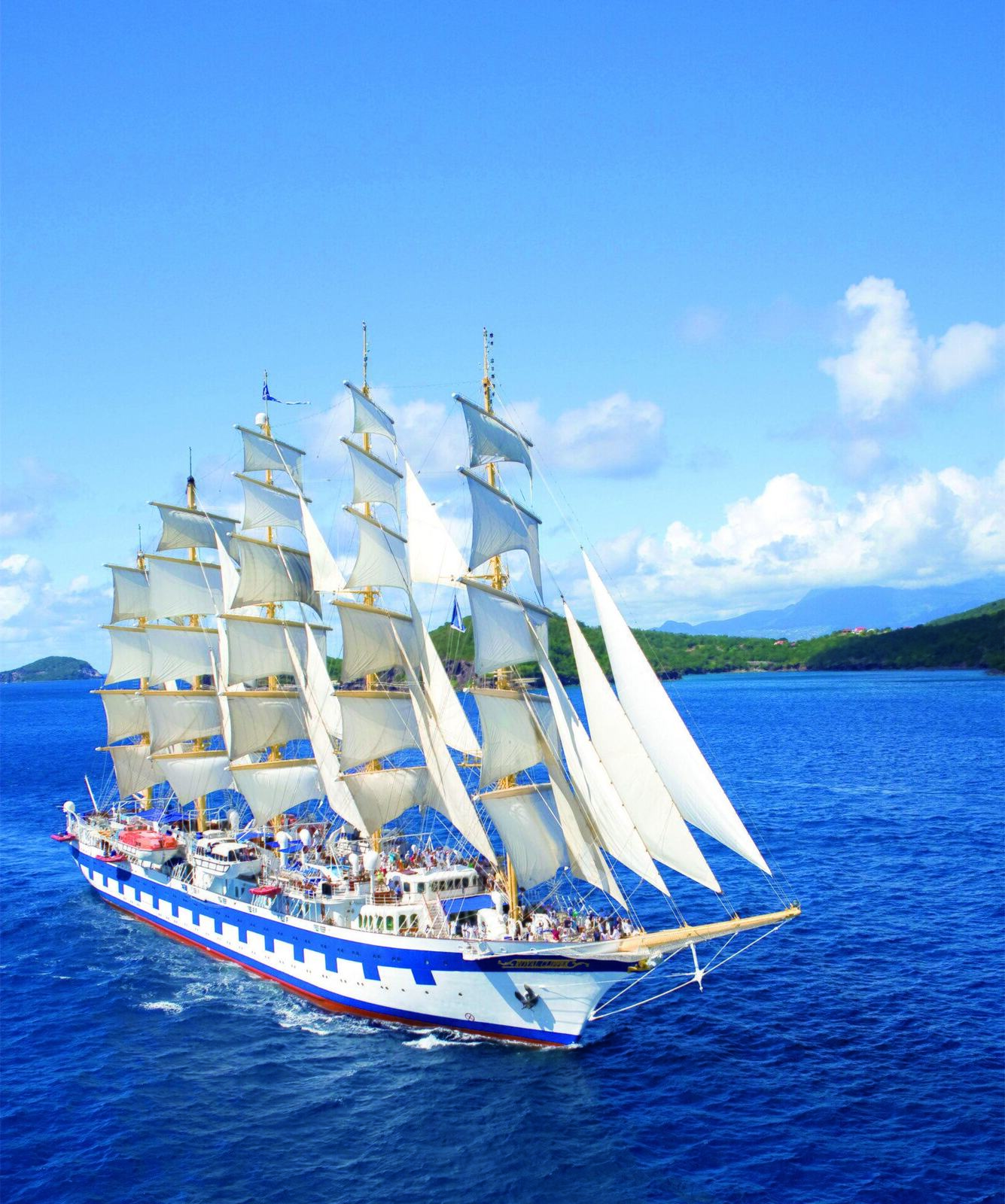
Cruise ships call at Fort-de-France, the capital, with La Savane and the Bibliothèque Schœlcher in the town center. Les Trois-Îlets (for La Pagerie) and Saint-Pierre in the north are excursions. Some ships, including Star Clippers’ sailing ships, also stop at a beach for the day.
On the Royal Clipper’s Windward route, the Martinique stop is listed simply as “Beach, Martinique,” and Star Clippers’ description is of white sand and clear water. Our trip, Mermaids, Pirates and Poets (Caribbean Sail), calls there on Friday 21 January 2028, the last island day before we sail back to Barbados. Star Clippers hasn’t said which beach yet. If it’s near Saint-Pierre, the 1902 Memorial is within reach; if it’s near Les Trois-Îlets, La Pagerie is; if neither, it’s a beach day, and after a week of ports that’s fine by me. I’ll say which once we know. (Star Clippers’ other January 2028 route, the Grenadines sailings, calls at Fort-de-France in the morning and a beach in the afternoon.) I haven’t sailed this route yet, so this guide is drawn from published sources, not my own visit.
Books, films and music from Martinique
Aimé Césaire (1913–2008). Born in Basse-Pointe, Césaire studied in Paris, where he met Léopold Sédar Senghor and Léon Damas; together they founded the Négritude movement, and Césaire is credited with coining the word. His book-length poem Notebook of a Return to the Native Land (Cahier d’un retour au pays natal) was first published in 1939 and reissued in 1947 with an introduction by André Breton. Discourse on Colonialism (1950) is his famous attack on European colonialism. Back home he taught in Fort-de-France, where Frantz Fanon was one of his students, and he was mayor of Fort-de-France from 1945 to 2001 and a deputy in the French National Assembly for decades. He received a state funeral in 2008, the airport was renamed for him in 2007, and a plaque honors him in the Panthéon in Paris.
Joseph Zobel, Black Shack Alley (La Rue Cases-Nègres, 1950). A semi-autobiographical novel about a boy growing up among Black cane workers in 1930s Martinique, whose grandmother fights to keep him in school. Euzhan Palcy’s film of it, Sugar Cane Alley (1983), won the Silver Lion and three other awards at the Venice Film Festival and the César for best first film. Darling Légitimus, who played the grandmother, won Best Actress at Venice. If you watch one film before the trip, make it this one.
Patrick Chamoiseau, Texaco (1992). Born in Fort-de-France in 1953, Chamoiseau won the Prix Goncourt, France’s top fiction prize, for this novel of a Martinican family from slavery to the 1980s.
Music. Zouk, the French Caribbean dance music, was made famous by the band Kassav’, formed in Guadeloupe in 1979, with the guitarist Jacob Desvarieux among its founders.
Black Shack Alley and Sugar Cane Alley are both on our group’s reading and film list for this trip.
Martinique history, plainly
- Before Europeans: the Kalinago, who knew the island as Madinina.
- 1635: French colonization begins at Saint-Pierre.
- Sugar and slavery: Martinique’s plantations, La Pagerie among them, ran on the forced labor of enslaved Africans for more than two centuries.
- 23 May 1848: the decree abolishing slavery takes effect in Martinique, the day after an uprising of the enslaved, and after abolitionist campaigns in which Victor Schœlcher played a leading part.
- 8 May 1902: Mount Pelée destroys Saint-Pierre.
- 1946: Martinique becomes a French department, under a law Césaire helped pass.
- 2023: Mount Pelée and the northern pitons join the UNESCO World Heritage list.
The full timeline, with what was going on in the islands next door and further afield, is further down the page.
Where Martinique fits on our route
Martinique is the last island on the Royal Clipper’s Windward route, after Dominica, Antigua, St Kitts and the Îles des Saintes. Just to the south is St Lucia; see our guide to the St Lucia Pitons. And one more Martinique connection: in Wide Sargasso Sea, Antoinette’s mother, Annette, is from Martinique.
Martinique's history: what else was happening
Martinique has been French since 1635, apart from two spells of British occupation. Slavery ran from the first plantations until 1848, longer than in the British islands next door, and in 1946 the colony became part of France itself. Gauguin painted here, Lafcadio Hearn wrote here, and in the 20th century Martinique produced Aimé Césaire and Frantz Fanon.
- French colony (British occupation 1794–1802 and 1809–1814) 1635–1946
- Plantation slavery 1635–1848
The story The Caribbean The wider world Other writers
- 1502 The story Columbus lands on 15 June, on his fourth voyage.
- 1624 The Caribbean The English found their first Caribbean colony, on St Kitts.
- 1635 The story Pierre Belain d'Esnambuc claims the island for France, landing at Saint-Pierre on 15 September.
- 1685 The Caribbean Louis XIV's Code Noir sets the rules of slavery in the French colonies.
- 1763 The story Joséphine, the future empress, is born on her family's sugar estate at Les Trois-Îlets.
- 1776 The wider world The American colonies declare independence, with French help to come.
- 1789 The wider world The French Revolution begins.
- 1791 The Caribbean The revolution of the enslaved begins in Saint-Domingue, France's richest colony.
- 1794 The story France abolishes slavery in February, but Britain occupies Martinique in March and abolition never takes effect here.
- 1802 The story Britain hands Martinique back; Napoleon's law of 20 May keeps slavery where it never ended.
- 1804 The Caribbean Haiti declares independence on 1 January, the first Black republic.
- 1804 The story Joséphine is crowned Empress of the French.
- 1809 The story Britain occupies Martinique again, until 1814.
- 1834 The Caribbean Slavery ends in the British islands next door, Dominica and St Lucia among them.
- 1848 The story An uprising of the enslaved on 22 May; the next day the governor declares slavery abolished.
- 1865 The wider world The 13th Amendment ends slavery in the United States.
- 1887 Other writers Paul Gauguin spends months painting on Martinique.
- 1890 Other writers Lafcadio Hearn publishes Two Years in the French West Indies.
- 1902 The story Mount Pelée destroys Saint-Pierre on 8 May; about 28,000 people die in the town.
- 1913 The story Aimé Césaire is born in Basse-Pointe.
- 1925 The story Frantz Fanon is born in Fort-de-France.
- 1939 Other writers Césaire's Notebook of a Return to the Native Land is first published.
- 1946 The story Martinique becomes a French department, under a law Césaire helped pass.
- 1950 Other writers Joseph Zobel publishes Black Shack Alley; Césaire publishes Discourse on Colonialism.
- 1952 Other writers Fanon publishes Black Skin, White Masks.
- 1983 Other writers Euzhan Palcy's film Sugar Cane Alley wins the Silver Lion at Venice.
- 1992 Other writers Patrick Chamoiseau wins the Prix Goncourt for Texaco.
- 2008 The story Césaire dies and is given a state funeral.
- 2023 The story Mount Pelée and the northern pitons join the UNESCO World Heritage list.
Questions people ask
Is Martinique part of France?
Yes. Martinique is an overseas department and region of France and an outermost region of the European Union. It uses the euro and French is the official language, though nearly everyone also speaks Martinican Creole. It is not part of the Schengen Area.
What happened at Saint-Pierre in 1902?
On the morning of 8 May 1902, at about 8:02am, a pyroclastic surge from Mount Pelée swept over Saint-Pierre, then Martinique's main town, killing about 28,000 people there. It was the deadliest volcanic eruption of the 20th century. One of the few survivors, Ludger Sylbaris, was a prisoner in a windowless cell.
Where was Empress Joséphine born?
Joséphine, Napoleon's first wife, was born Marie Josèphe Rose Tascher de La Pagerie in 1763, on her family's sugar estate at Les Trois-Îlets on Martinique, now the Domaine de La Pagerie museum. Some historians have argued for St Lucia instead, but Martinique is the usual answer.
What is rhum agricole?
Rhum agricole is rum distilled from fresh sugar-cane juice rather than molasses. Rhum de la Martinique received an appellation d'origine contrôlée in 1996, and France's appellation body, the INAO, says it is the only rum in the world with one.
What are the best things to do in Martinique near the cruise port?
Ships call at Fort-de-France, where La Savane park, the Bibliothèque Schœlcher and the cathedral are all in the town center. Les Trois-Îlets, for La Pagerie, and Saint-Pierre, for the 1902 Memorial, are half-day trips.
Who was Aimé Césaire?
Aimé Césaire (1913–2008) was Martinique's great poet and politician. He co-founded the Négritude movement, wrote Notebook of a Return to the Native Land (first published 1939), and was mayor of Fort-de-France from 1945 to 2001. The island's airport is named after him.
Read next
- Caribbean · DominicaThings to do in DominicaWhat's worth your time on Dominica, why it isn't the Dominican Republic, and what you can actually fit into one day when a ship calls at Cabrits.
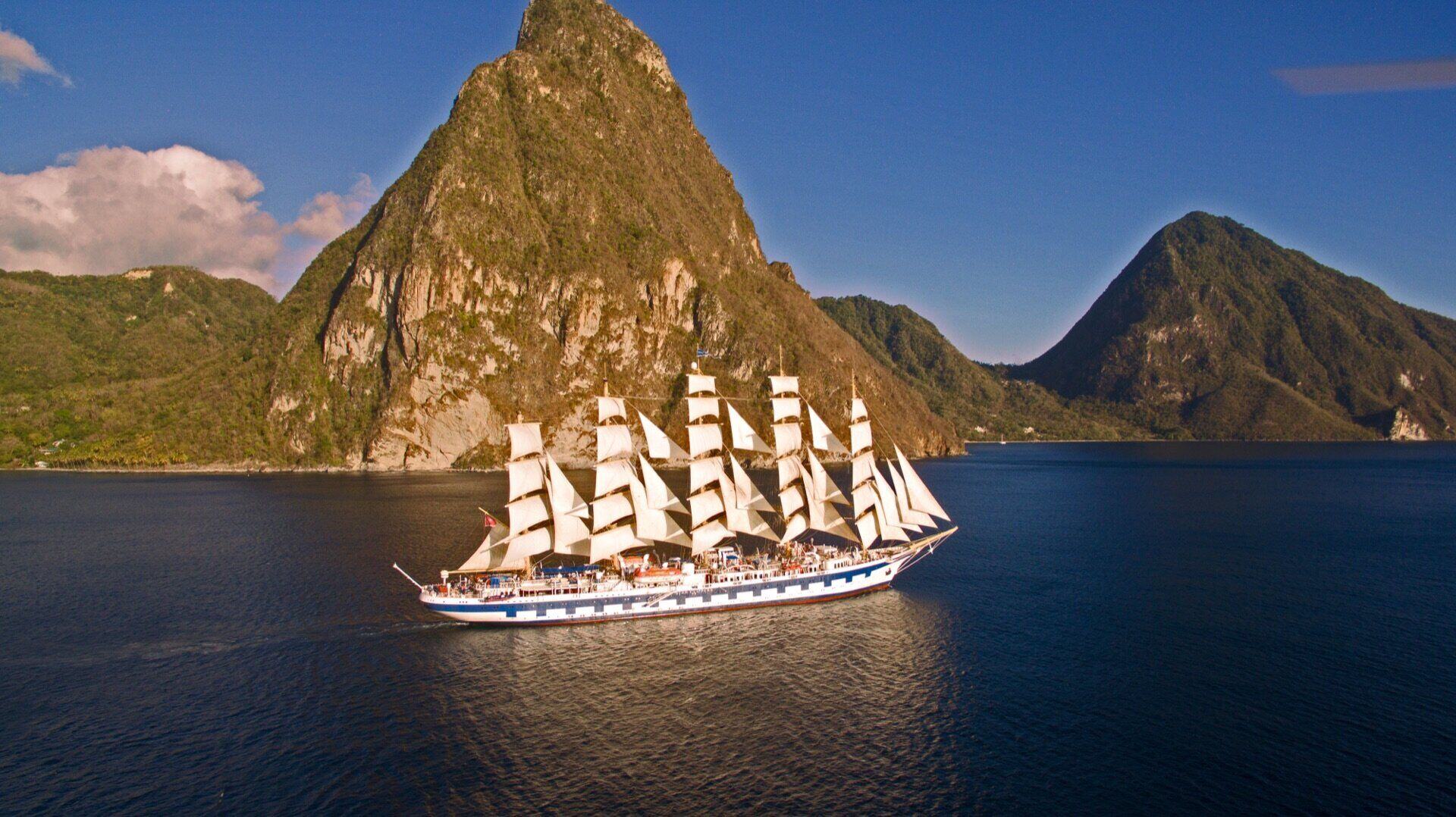 Caribbean · St LuciaSt Lucia PitonsTwo volcanic peaks on St Lucia's southwest coast: how tall they are, how to climb one, how to see them from the sea, and the easy option if you'd rather not climb.
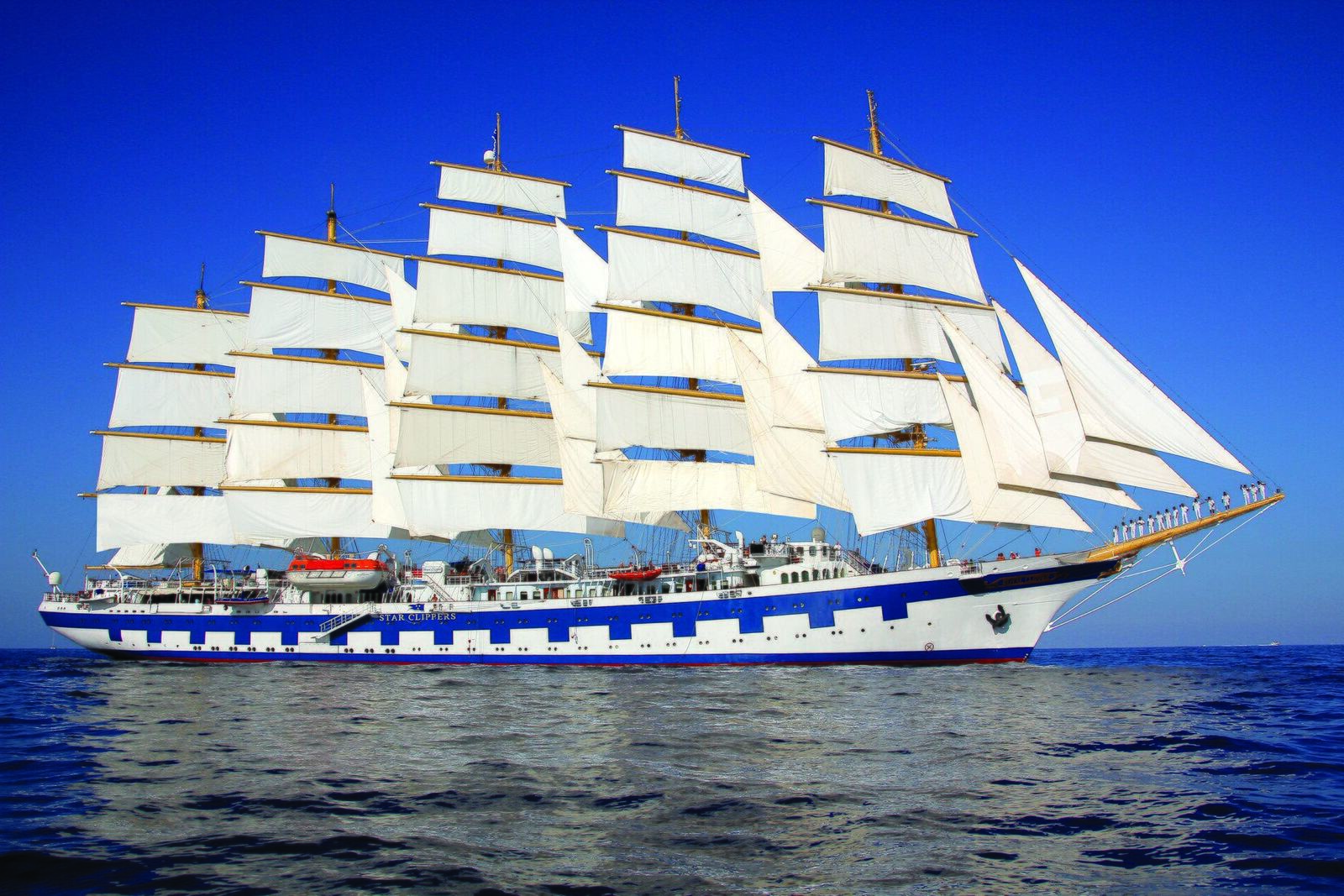 Caribbean · The Royal ClipperRoyal ClipperWhat the ship is, where her design came from, how a week on board works, and where she sails from Barbados. Straight answers, no brochure gloss.
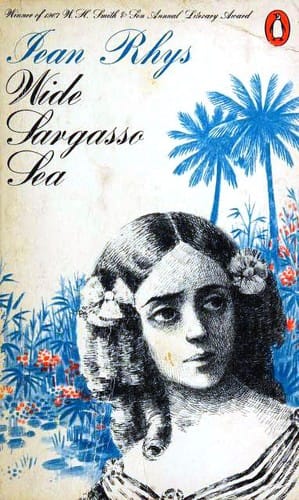 Caribbean · Dominica · BooksJean Rhys's Wide Sargasso SeaThe first Mrs Rochester's side of the story, by a novelist who grew up on Dominica. What happens, where, and why it changes how you read Jane Eyre.
- Caribbean · St KittsThings to do in St KittsWhat to see on St Kitts, how to split a port day between a fortress and a beach, and the island's history told straight.
Sources
- Wikipedia: Martinique
- Wikipedia: 1902 eruption of Mount Pelée
- French Ministry of Culture: the new Mémorial de la catastrophe de 1902
- Martinique Tourism: Mémorial de la catastrophe de 1902 – Musée Frank A. Perret
- Wikipedia: Joséphine de Beauharnais
- Martinique Tour: La Pagerie Estate, Les Trois-Îlets
- Wikipedia: Aimé Césaire
- INAO: Rhum de la Martinique AOC
- POP (French heritage database): Bibliothèque Schœlcher
- Wikipedia: Sugar Cane Alley
- Wikipedia: Patrick Chamoiseau
- Wikipedia: Kassav'
- Star Clippers itinerary files RC150128 and RC080128 (Martinique port descriptions)
- Martinique Tourism (official site)
- Wikipedia: Code Noir
- Wikipedia: Frantz Fanon
- Wikipedia: Abolition of slavery in Martinique (history of Martinique)
- Wikipedia: Paul Gauguin
Get the reading list first.
Trip announcements, curated reading lists, and the occasional dispatch — before anyone else.