Caribbean · Antigua
Things to do in Antigua: Nelson's Dockyard, Shirley Heights, beaches and history
What to see on Antigua in the Caribbean, how to fit it into a port day without spending it in a taxi, and the island's history told straight.
- Where
- Leeward Islands, Eastern Caribbean; part of Antigua and Barbuda (not Antigua Guatemala)
- Main town
- St John's
- Size
- 281 km² (108 sq mi)
- Independence
- 1 November 1981, with Barbuda
- Money
- East Caribbean dollar (about EC$2.70 to US$1)
- Airport
- V. C. Bird International
- UNESCO site
- Antigua Naval Dockyard and Related Archaeological Sites (2016)
- Our ship calls at
- Falmouth Harbour, next to Nelson's Dockyard, Tuesday 18 January 2028
The short answer
The best things to do in Antigua, in the Caribbean, are Nelson's Dockyard at English Harbour (a UNESCO World Heritage Site and the only continuously working Georgian dockyard in the world), the view from Shirley Heights, the Betty's Hope sugar estate museum, Devil's Bridge on the Atlantic coast, beaches such as Half Moon Bay, a day trip to Barbuda's frigatebird colony, and St John's, the main town. The island is reputed to have 365 beaches.
Antigua is a low, beach-ringed island in the Leeward Islands, and with its smaller neighbor Barbuda it makes up the country of Antigua and Barbuda. The things to do in Antigua split neatly in two. The south coast, around English Harbour and Falmouth Harbour, is the sailing and history side: Nelson’s Dockyard, Shirley Heights and a lot of very expensive yachts. The rest of the island is beaches, plus a handful of places that tell the sugar story the dockyard was built to protect. Below: both halves, with notes for a single day off a ship.
A note on names: this is Antigua in the Caribbean, pronounced an-TEE-ga. Antigua Guatemala is somewhere else entirely, a colonial city in Central America.
Antigua, Caribbean, at a glance
Antigua covers 108 square miles, with about 54 miles of coastline. The highest point, Boggy Peak, is only 402 meters (about 1,300 feet), so it’s far gentler than volcanic Dominica or St Kitts. St John’s, on the northwest coast, is the main town and the cruise port. V. C. Bird International is the island’s only airport. The currency is the East Caribbean dollar, at about EC$2.70 to the US dollar. Antigua and Barbuda became independent within the Commonwealth on 1 November 1981.
The island’s Indigenous name is Waladli; Antiguans today often use the Creole form, Wadadli. Columbus named it in 1493, probably after a church image of the Virgin, Santa María la Antigua, in Seville.
The best things to do in Antigua
| What | Where | Time to allow | Why go |
|---|---|---|---|
| Nelson’s Dockyard | English Harbour, south coast | 2–3 hours | UNESCO site; restored Georgian naval yard |
| Shirley Heights Lookout | Above English Harbour | 1 hour; longer on Sundays | The best-known view on the island |
| Betty’s Hope | Inland, south of Pares | 1 hour | Sugar estate museum with a restored windmill |
| Devil’s Bridge | East (Atlantic) coast | 30–60 minutes | Natural limestone arch and blowholes |
| Half Moon Bay | East coast | Half day | Crescent beach, snorkeling at both ends |
| St John’s and Fort James | Northwest coast | 2 hours | Main town, harbor fort, shops |
| Barbuda | Sister island to the north | A full day | Frigatebird colony in Codrington Lagoon |
| Antigua Sailing Week | Nelson’s Dockyard | Once a year (check dates) | One of the Caribbean’s big regattas |
For opening times and events, check the official Visit Antigua and Barbuda site the week you go.
Nelson’s Dockyard and English Harbour
Nelson’s Dockyard is the reason most visitors cross to the south coast. English Harbour is a deep, narrow bay surrounded by hills, which made it a hurricane shelter for the Royal Navy, and from 1725 the British built a naval dockyard here to repair warships. Horatio Nelson was based at the dockyard from 1784 to 1787, as a young captain. The Royal Navy left in 1889. The buildings were restored from 1951 and the yard reopened in 1961. Today it’s a working marina with restaurants, hotels in old naval buildings, and the Dockyard Museum. UNESCO lists it as the Antigua Naval Dockyard and Related Archaeological Sites, and it’s the only continuously working Georgian-era dockyard in the world. Our full Nelson’s Dockyard guide covers the buildings, Nelson’s time here and the people who actually built it.
Shirley Heights
Shirley Heights is a restored military lookout and gun battery on the hill above English Harbour, about 490 feet up. It’s named for Sir Thomas Shirley, Governor of the Leeward Islands, who strengthened Antigua’s defenses in 1781, during the war with France. The view over English and Falmouth Harbours is the draw. The Antigua and Barbuda tourism office calls it the best view on the island, and they’d know.
The old military buildings now hold a restaurant and bar. Every Sunday from 4pm to 10pm (as of November 2026) there’s a barbecue party with live bands, popular with Antiguans and visitors alike. The Lookout trail up from Galleon Beach is steep and rough. Go early in the morning or near sunset, not at noon.
(Dominica’s Fort Shirley has the same name for a reason: Thomas Shirley governed Dominica in the 1770s before he moved to the Leeward Islands.)
Betty’s Hope: the sugar estate
If you want to understand why the British spent so much on English Harbour, go to Betty’s Hope. The estate was founded in the early 1650s and given in 1674 to Christopher Codrington, who named it for his daughter Betty and set up large-scale sugar production here. The Codrington family held it until 1944. In 1680, 393 enslaved Africans worked here. The estate had twin windmills for crushing cane; one has been restored with its machinery and sails. Since 1995 Betty’s Hope has been an open-air museum with a visitor center, run by the Museum of Antigua and Barbuda. If you only have time for one place besides the dockyard, I’d make it this one, because it’s the other half of the same story.
Devil’s Bridge and the Atlantic coast
Devil’s Bridge is a natural limestone arch on the east coast, carved by Atlantic waves. The rock is slippery, so wear proper shoes and stay back from the edge. No photo is worth it. It’s about half an hour’s drive north of Half Moon Bay, and tours often pair it with Long Bay beach.
Beaches
Antigua is reputed to have 365 beaches, one for every day of the year. You won’t need that many. Half Moon Bay, on the east coast, is a crescent with good snorkeling at both ends. On the south coast, Galleon Beach is where the Lookout trail to Shirley Heights starts, so you can pair a swim with the climb.
St John’s
St John’s is the capital and the cruise port. Most cruise liners berth at Heritage Quay, a modern shopping pier; Redcliffe Quay nearby is the older waterfront. Fort James, an 18th-century British fort at the entrance to St John’s Harbour, still has cannons, a powder magazine and much of its stonework.
Barbuda and the frigatebirds
Barbuda, Antigua’s sister island to the north, has regular air service from Antigua. Its Codrington Lagoon holds a huge colony of magnificent frigatebirds on Man of War Island, often called the largest in the Caribbean and sometimes the largest in the world. Hurricane Irma devastated Barbuda in September 2017, killing the colony’s chicks and leaving only a few hundred adult birds. The birds have since come back strongly; a later count found more than 5,000 frigatebirds in the sanctuary.
Things to do in Antigua from a cruise ship
Big cruise ships berth at St John’s. From there, the usual half-day tour crosses the island to Nelson’s Dockyard and Shirley Heights on the south coast; a beach is the other common choice. Leave plenty of time to get back. The ship won’t wait.
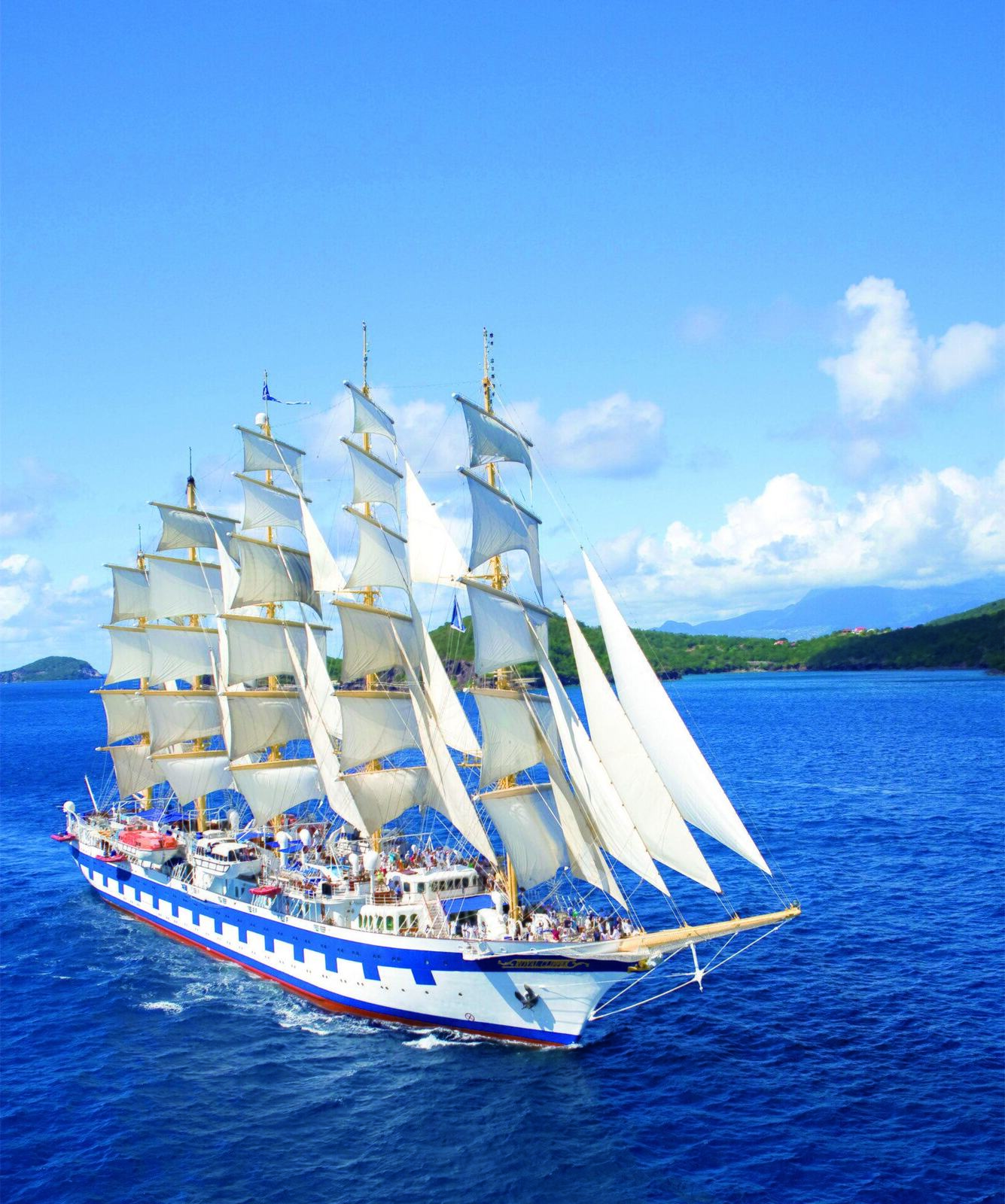
Star Clippers’ sailing ships call on the south coast instead, at Falmouth Harbour, which their port notes describe as “the epicentre of the Caribbean yachting world.” From there, Nelson’s Dockyard is a walk away and Shirley Heights is a short taxi ride up the hill.
The Royal Clipper under full sail in the Caribbean. Photo: Star Clippers
Our trip, Mermaids, Pirates and Poets (Caribbean Sail), sails on the Royal Clipper from Barbados on 15 January 2028 and calls at Falmouth Harbour on Tuesday 18 January. The shore stop is Nelson’s Dockyard. We won’t get to St John’s, Betty’s Hope, Devil’s Bridge or Barbuda that day. I haven’t sailed this route yet, so this guide is built from published sources.
Antigua’s history, plainly
Before Europeans. Arawak settlers lived here first, followed by the Kalinago.
Colony and sugar. English colonists arrived in 1632. From the 1670s, the Codringtons and other planters turned Antigua into a sugar island. The work was done by enslaved Africans, brought in by force, and the enslaved population grew rapidly.
Resistance. In 1736 planters uncovered a plan for an uprising led by an enslaved man known as Court, or “Prince Klaas.” The plot was crushed, and Court and dozens of others were executed.
Family feuds across the islands. In 1674 Antigua’s governor, Philip Warner, led a raid on a Kalinago village on Dominica and murdered his own half-brother, “Indian” Thomas Warner, son of the founder of English St Kitts and a Kalinago woman. The Dominican town of Massacre takes its name from that killing; see our Dominica guide.
Emancipation. When Britain’s Abolition Act took effect on 1 August 1834, most colonies turned formerly enslaved people into “apprentices” who still had to work for their former owners for a transition period. Antigua (and, by most accounts, Bermuda) skipped apprenticeship and granted full freedom at once. Before you give the planters too much credit: historians point out it was partly because paying low daily wages, on an island with little free land, was cheaper than housing and feeding apprentices.
The navy. All of this is why English Harbour mattered. UNESCO puts it plainly: the dockyard’s aim was “to protect the interests of sugar cane planters,” and it could not have been built without “the labour of generations of enslaved Africans.” See our Nelson’s Dockyard guide.
Independence. Antigua and Barbuda became independent on 1 November 1981.
Nelson in Antigua
Horatio Nelson came out to the Leeward Islands in 1784 in command of the frigate HMS Boreas, with orders to enforce the Navigation Acts. After American independence, those laws barred American ships from trading with British colonies, a trade the island merchants depended on. Nelson enforced them anyway, which made him about as popular as you’d expect. Off Nevis he seized four American ships, and their owners, backed by local merchants, sued him. He was based at English Harbour until 1787, and in March 1787 he married Frances Nisbet, a young widow, on Nevis, the island next to St Kitts. Boreas was paid off in England that November.
The dockyard named after him was mostly built in the same years he was there: a major building program ran from 1785 to 1794.
A one-day plan from Falmouth Harbour
If your ship calls at Falmouth Harbour, as ours does, a simple day looks like this:
- Morning: Nelson’s Dockyard. Walk across to English Harbour. See the Dockyard Museum, the Copper and Lumber Store, the Admiral’s Inn and the stone pillars of the old Boat House.
- Late morning: Shirley Heights. Taxi up the hill for the view back over both harbors and the Blockhouse ruins.
- Afternoon: a swim. Galleon Beach is at the foot of the Lookout trail, close to the dockyard.
If you have a second day on the island, add Betty’s Hope and Devil’s Bridge on the east side.
Jamaica Kincaid’s Antigua
The writer Jamaica Kincaid was born Elaine Cynthia Potter Richardson in St John’s on 25 May 1949. At 16, in 1966, she was sent to New York to work as an au pair. She became a staff writer at The New Yorker in 1976 and later taught at Harvard. Antigua runs through her work:
- A Small Place (1988). A short book-length essay that speaks straight to the tourist as “you.” Kincaid writes about tourism as a new kind of colonialism, about colonial racism, and about corruption in post-independence government. One image readers remember is the old library, damaged in a 1974 earthquake and never repaired, under a sign saying repairs are pending. Some critics called it a vitriolic attack; Susan Sontag praised its emotional truthfulness. Kincaid was unofficially kept out of Antigua for about five years afterward.
- Annie John (1985). A novel about a girl growing up in Antigua, and about mothers and daughters.
- “Girl” (1978). A one-sentence short story of a mother’s instructions to her daughter, set in Antigua.
A Small Place is a good book to read before a visit precisely because it’s uncomfortable. It asks you, the visitor, who the island is for. It’s on our group’s reading list for this trip, and I think it should be on yours.
Antigua Sailing Week and yachting
Antigua Sailing Week, held each year at the dockyard, is a major annual Caribbean regatta. The dockyard also hosts the Antigua Classic Yacht Regatta and the Antigua Charter Yacht Meeting. That’s why Falmouth and English Harbours are a forest of masts in season. Check the regatta websites for current dates.
Practical tips for Antigua
- Getting around. Taxis are the easiest option from the pier or the dockyard. Agree the fare before you get in.
- Park fees. Nelson’s Dockyard and Shirley Heights sit inside the national park, with entry fees. Check National Parks Antigua for current prices; online listings disagree.
- Sun. Bring water and a hat for Shirley Heights; the tourism office advises going early or late in the day.
- Money. The East Caribbean dollar is the local currency.
Where Antigua fits on our route
On the Royal Clipper’s Windward route, Antigua comes the day after Dominica, with its rainforest and the Indian River, and the day before St Kitts and Brimstone Hill Fortress. If you want the age-of-sail story in one place, start with our Nelson’s Dockyard guide, then read about tall ship cruises in the Caribbean.
Antigua's history: what else was happening
Antigua was English from 1632 to 1981, and for two of those centuries it was a sugar island worked by enslaved Africans, with a Royal Navy dockyard to guard it. Jane Austen gave Mansfield Park's Sir Thomas Bertram an Antigua estate, and Mary Prince, enslaved here, told her own story in London in 1831.
- English, then British, colony 1632–1981
- Plantation slavery 1632–1834
- Associated State 1967–1981
The story The Caribbean The wider world Other writers
- 1493 The story Columbus names the island Santa María la Antigua; the Kalinago call it Waladli.
- 1619 The wider world The first enslaved Africans recorded in English Virginia arrive at Point Comfort.
- 1632 The story English colonists settle Antigua, from St Kitts.
- 1674 The story Christopher Codrington takes over Betty's Hope and starts large-scale sugar production.
- 1674 The Caribbean Antigua's governor, Philip Warner, leads the killing at the Dominica village later called Massacre.
- 1680 The story 393 enslaved Africans are recorded working at Betty's Hope.
- 1725 The story The Royal Navy builds its first dockyard at English Harbour.
- 1736 The story Planters uncover a planned uprising led by an enslaved man called Court, or "Prince Klaas"; he and dozens of others are executed.
- 1776 The wider world The American colonies declare independence; Antigua's trade with them is cut.
- 1784 The story Captain Horatio Nelson arrives in HMS Boreas and is based at English Harbour until 1787.
- 1789 Other writers Olaudah Equiano, once enslaved on Montserrat, publishes his Interesting Narrative in London.
- 1791 The Caribbean The revolution of the enslaved begins in Saint-Domingue, later Haiti.
- 1807 The wider world Britain bans the slave trade; slavery itself goes on in its colonies.
- 1814 Other writers Jane Austen publishes Mansfield Park; Sir Thomas Bertram's money comes from an Antigua estate.
- 1831 Other writers The History of Mary Prince, the life of a woman enslaved in Bermuda and Antigua, is published in London.
- 1834 The story Full freedom on 1 August: Antigua skips the "apprenticeship" most British colonies impose.
- 1865 The wider world The 13th Amendment ends slavery in the United States.
- 1889 The story The Royal Navy leaves the dockyard.
- 1939 The story The Antigua Trades and Labour Union is founded; V. C. Bird later leads it.
- 1949 Other writers Jamaica Kincaid is born in St John's on 25 May.
- 1951 The story Restoration of the dockyard begins.
- 1958 The Caribbean The West Indies Federation is formed; it breaks up in 1962.
- 1967 The story Antigua becomes an Associated State, running its own internal affairs.
- 1974 The story An earthquake on 8 October damages St John's, including the old library.
- 1981 The story Antigua and Barbuda become independent on 1 November; V. C. Bird is the first prime minister.
- 1988 Other writers Kincaid publishes A Small Place.
- 2016 The story UNESCO lists the Antigua Naval Dockyard and Related Archaeological Sites.
- 2017 The story Hurricane Irma devastates Barbuda in September.
Questions people ask
What is Antigua best known for?
Its beaches (it's said to have 365), sailing, and Nelson's Dockyard, the Georgian naval yard at English Harbour where Horatio Nelson was based from 1784 to 1787. The Antigua Sailing Week regatta is held at the dockyard every year.
What can you do in Antigua from a cruise ship?
From the cruise pier at St John's, most visitors take a half-day tour to Nelson's Dockyard and Shirley Heights in the south, or go to a beach. Ships that anchor at Falmouth Harbour or English Harbour can walk to the dockyard.
Is Antigua the same as Antigua Guatemala?
No. Antigua in the Caribbean is an island in the Leeward Islands and part of the country of Antigua and Barbuda. Antigua Guatemala is a colonial city in the highlands of Guatemala, in Central America.
When is the Shirley Heights party?
Shirley Heights Lookout holds a party every Sunday from 4pm to 10pm, with a barbecue and live bands, according to the Antigua and Barbuda tourism office (as of November 2026).
What should I read before visiting Antigua?
Jamaica Kincaid's A Small Place (1988) is the classic: a short, angry book about Antigua written to the tourist as 'you'. Her novel Annie John (1985) and her story 'Girl' (1978) are set there too.
Can you visit Barbuda from Antigua?
Yes. Barbuda, Antigua's sister island to the north, has regular air service from Antigua. Its Codrington Lagoon holds one of the largest frigatebird colonies in the world, on Man of War Island.
In this guide
Read next
- Caribbean · Antigua · Age of sailNelson's Dockyard, AntiguaA Georgian Royal Navy yard at English Harbour, still working as a marina, and a UNESCO World Heritage Site since 2016. Who built it, what Nelson really did there, and how to see it in a morning.
- Caribbean · St KittsThings to do in St KittsWhat to see on St Kitts, how to split a port day between a fortress and a beach, and the island's history told straight.
- Caribbean · DominicaThings to do in DominicaWhat's worth your time on Dominica, why it isn't the Dominican Republic, and what you can actually fit into one day when a ship calls at Cabrits.
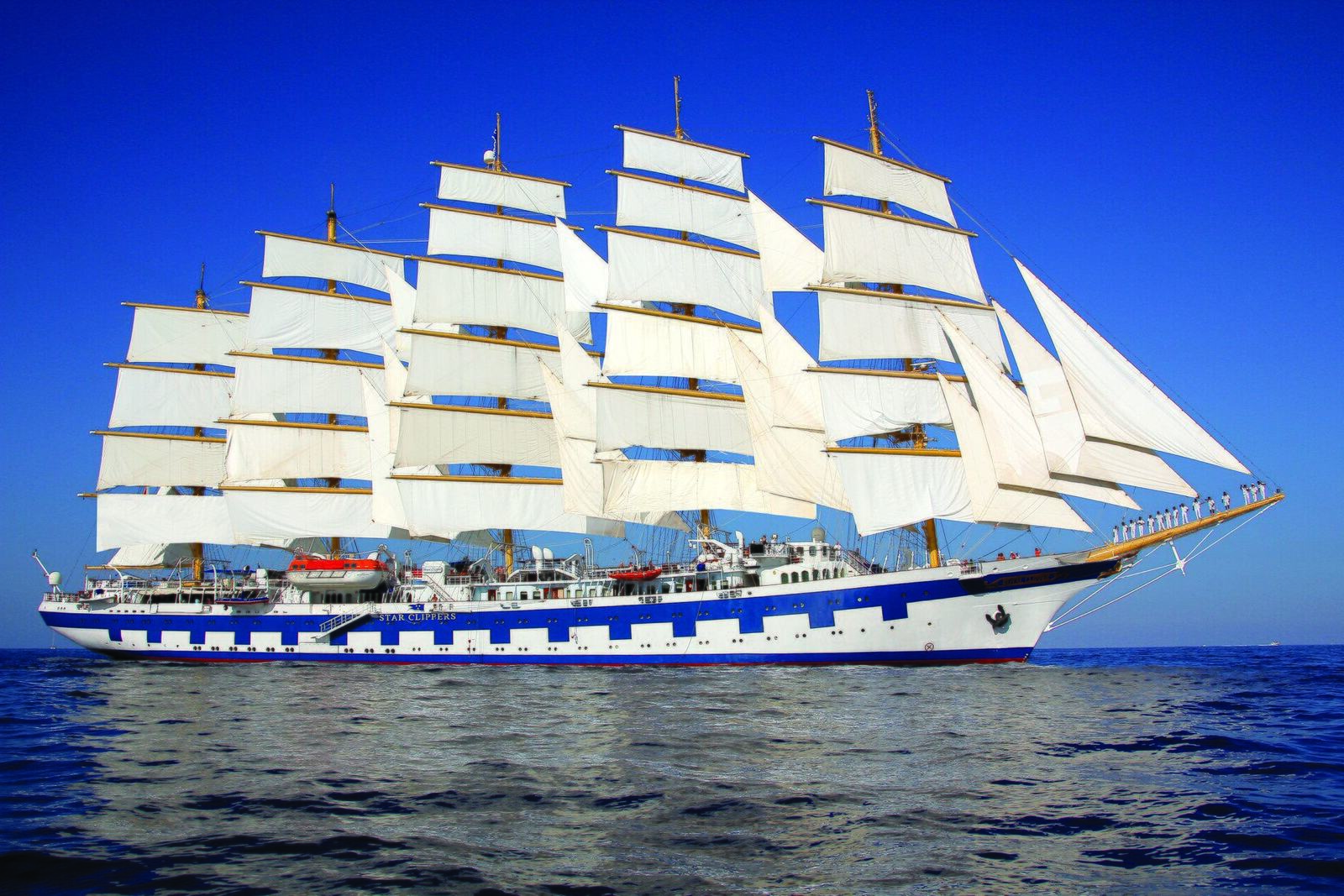 Caribbean · The Royal ClipperRoyal ClipperWhat the ship is, where her design came from, how a week on board works, and where she sails from Barbados. Straight answers, no brochure gloss.
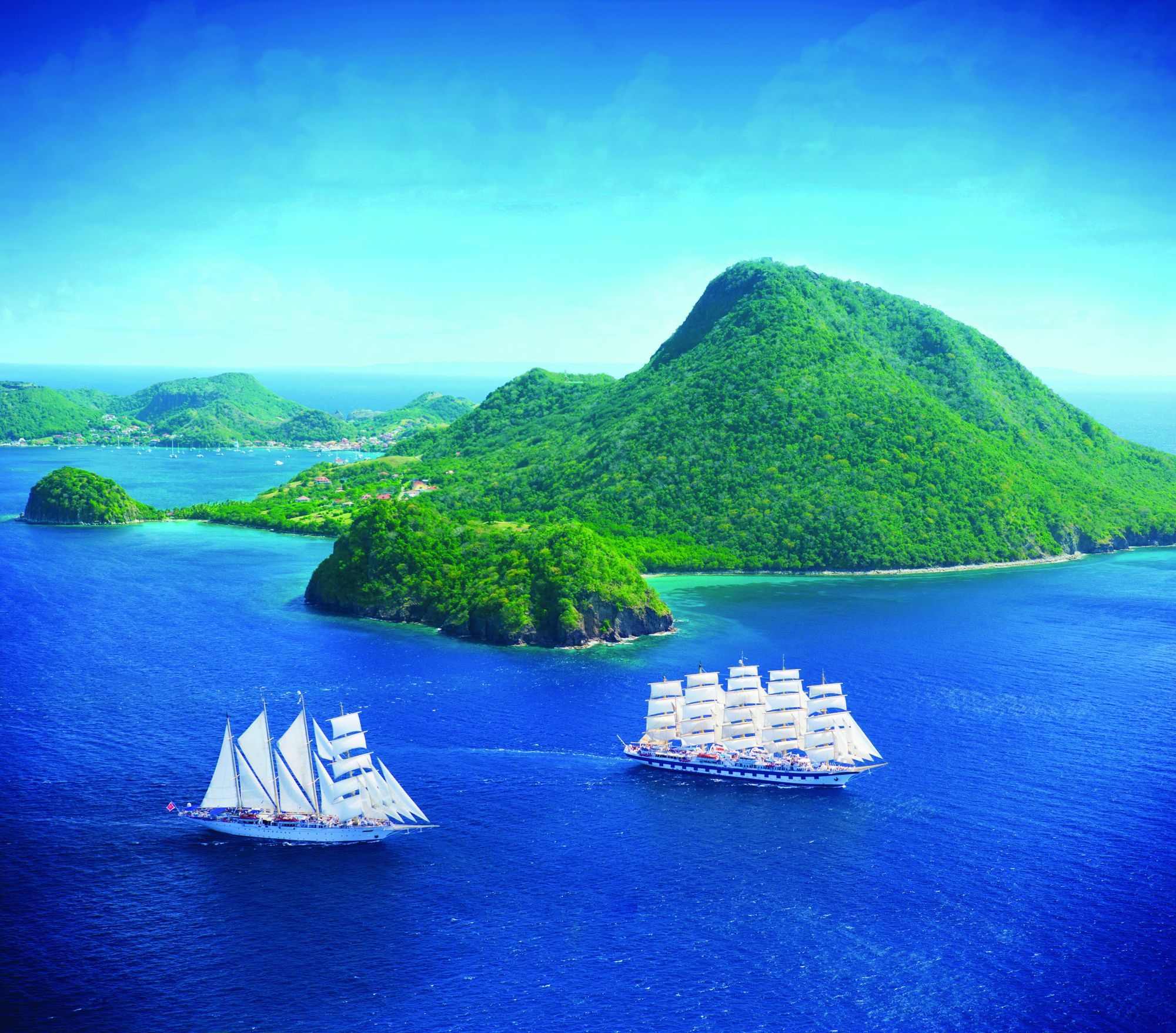 Caribbean · Under sailTall ship cruise linesWhich cruise ships really sail, how they differ, what a week costs, and the history, books and films behind them.
Sources
- Wikipedia: Antigua
- UNESCO: Antigua Naval Dockyard and Related Archaeological Sites
- Wikipedia: Nelson's Dockyard
- National Parks Antigua
- Visit Antigua and Barbuda: Shirley Heights Lookout
- Wikipedia: Betty's Hope
- Wikipedia: Emancipation of the British West Indies
- Wikipedia: Jamaica Kincaid
- Wikipedia: A Small Place
- Wikipedia: Codrington Lagoon
- Islands: Devil's Bridge, Antigua
- Princess Cruises: Antigua cruise port
- Wikipedia: Massacre, Dominica (the Warner brothers, 1674)
- Star Clippers itinerary file RC150128 (Falmouth Harbour port description)
- Antigua Sailing Week (official site)
- Antigua Classic Yacht Regatta (official site)
- Visit Antigua and Barbuda (official tourism site)
- Wikipedia: The History of Mary Prince
- Wikipedia: Mansfield Park
- Wikipedia: Vere Bird
Get the reading list first.
Trip announcements, curated reading lists, and the occasional dispatch — before anyone else.