Yorkshire · Knaresborough
Knaresborough, England: the castle, the viaduct and the River Nidd
A small market town on a cliff above the River Nidd, three miles from Harrogate, and how to spend a morning there on foot. Bring shoes with grip: it's steps all the way down.
- Where
- North Yorkshire, 3 miles east of Harrogate
- Getting there
- Train on the Harrogate–York line, or bus from Harrogate
- Market day
- Wednesday
- Viaduct
- Opened 1851; the first one collapsed in 1848 before completion
- Time needed
- A morning; a full day with Mother Shipton's Cave
- Our trip
- Tuesday 5 October 2027, morning on foot
The short answer
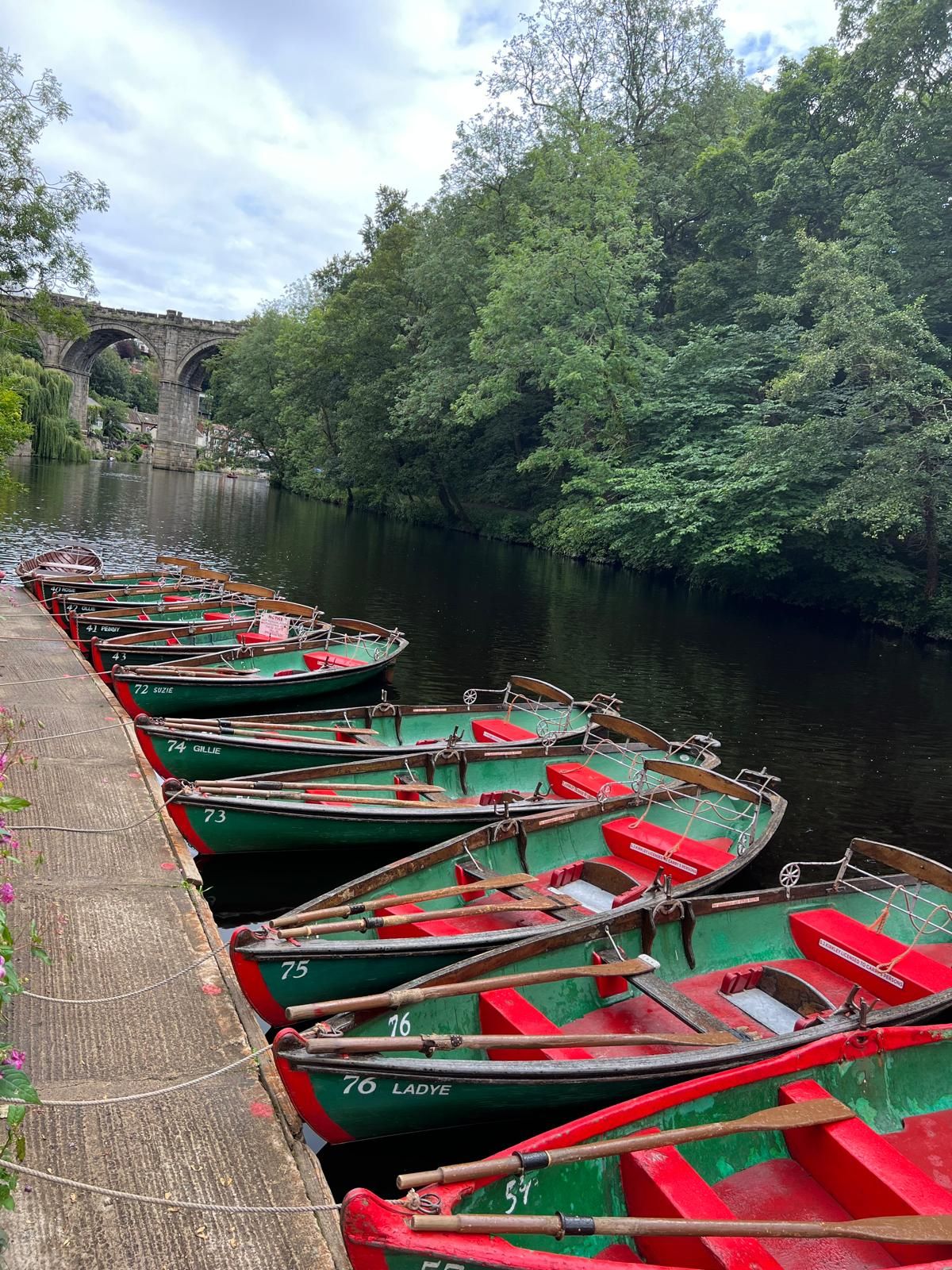
Knaresborough is a market town in North Yorkshire, England, about 3 miles east of Harrogate. It sits on a sandstone cliff above the gorge of the River Nidd, with the ruins of a medieval castle on top and a stone railway viaduct (1851) across the river below. The main things to do are the castle grounds and museum, the riverside Waterside walk, rowing boats, Mother Shipton's Cave and the statue of the road-builder Blind Jack in the Market Place.
Knaresborough is a small market town built on a cliff above the River Nidd, three miles from Harrogate. From the castle at the top you look straight down the gorge to a stone railway viaduct, with rowing boats tied up on the river below. This guide to Knaresborough, England, covers what to see, the people connected to the town, and how to spend a morning there. I went in October 2026, by bus and train, on the way to York. Knaresborough and York together came to about 20,000 steps, my longest scouting day. (So much walking!)
Why bus and train? Half-term. I hadn’t booked something for that day, it sold out over the school holidays, and I changed plans. (Lesson learned. It’s why we book everything ahead for you.)
Things to do in Knaresborough, England
| What | Where | Allow | Cost |
|---|---|---|---|
| Castle grounds and the viaduct view | Top of the town | 30 minutes | Free (public park) |
| Knaresborough Castle and museum | In the castle grounds | 45 minutes | Paid, seasonal |
| Waterside walk | Along the River Nidd below the castle | 30–60 minutes | Free |
| Rowing boats | Waterside | 30 minutes | Paid, seasonal |
| Blind Jack’s statue | Market Place | 5 minutes | Free |
| Chapel of Our Lady of the Crag | Cut into the cliff by the river | 15 minutes | Check opening |
| Mother Shipton’s Cave and Petrifying Well | Across the river | 1½–2 hours | Paid, seasonal |
The castle museum and the river boats are seasonal, so check before you go if you’re visiting outside summer. If you only have an hour, do the castle grounds for the view and then walk down to the river. That’s the postcard, and it’s free.
Knaresborough Castle
There was a castle on this cliff by about 1100, and the town grew up around it as traders came to serve the garrison. Its history is long and full of famous names:
- 1170: Hugh de Morville, the constable of Knaresborough, was one of the four knights who murdered Thomas Becket in Canterbury Cathedral. The knights hid at the castle afterwards.
- Early 1300s: Edward II gave the castle to his favorite, Piers Gaveston.
- 1372: John of Gaunt, Duke of Lancaster, acquired it, and it has belonged to the Duchy of Lancaster ever since.
- 1399: the deposed Richard II spent a night here on his way to Pontefract Castle, where he died.
- 1644–1648: after the Battle of Marston Moor, Parliament’s forces besieged and took the castle. Parliament ordered it destroyed in 1646, and it was pulled down in 1648. Local people took the stone to build houses in the town.
What survives is mainly the ruined King’s Tower and the walls, set in a park. The grounds are free and open as a public park. The castle and its museum are run by North Yorkshire Council.
The Knaresborough viaduct
The railway viaduct over the Nidd is the picture on every Knaresborough postcard. Its story starts with a failure. On 11 March 1848 the nearly finished first viaduct collapsed into the river. No one was killed, though the lime in the rubble poisoned the fish. The railway used a temporary station outside town while a new viaduct was built. The replacement, designed by the railway engineer Thomas Grainger, opened in 1851. It still carries trains on the Harrogate–York line and is Grade II* listed.
For the classic view, stand at the edge of the castle grounds and look down the gorge. For the view from below, take the steps down to the Waterside. Do both if your knees allow; they’re very different pictures.
Blind Jack of Knaresborough
John Metcalf was born in Knaresborough on 15 August 1717 and lost his sight to smallpox at the age of six. He became known as Blind Jack and went on to be one of the first professional road builders of the Industrial Revolution, laying roads across Yorkshire, Lancashire and Derbyshire. Some of his routes are now parts of the A59 and A61. (Yes, really. A blind road builder.) He died in 1810.
In February 2009 a life-size bronze of him, seated on a bench with a surveyor’s measuring wheel, was unveiled in the Market Place. It’s by the sculptor Barbara Asquith, and it sits outside the pub named after him.
Mother Shipton’s Cave and the Petrifying Well
Across the river from the town is Mother Shipton’s Cave, which has charged visitors for entry since 1630. That makes it England’s oldest attraction to charge admission. Its draw is the Petrifying Well, where mineral-rich water drips over objects hung beneath it and slowly coats them in stone. Mother Shipton herself is a figure of local legend, a prophetess.
Celia Fiennes saw the well in 1697 and took a souvenir:
I took Moss myself from thence which is all Crisp’d and perfect Stone; all the Grass Straws or any thing that the water falls upon it does Convert to hardness like Stone.
— Celia Fiennes, Through England on a Side Saddle (Project Gutenberg)
It’s a separate, privately run attraction with its own tickets and season, and it takes one and a half to two hours. Our trip doesn’t go in: with a morning in town, you can’t do everything, and we’d rather spend it on the castle, the river and the streets.
Other Knaresborough sights
- The Chapel of Our Lady of the Crag, a tiny shrine cut into the cliff in 1408, said to have been made by a mason whose son survived a rockfall.
- The House in the Rock and St Robert’s Cave, two more of the town’s cliffside landmarks. Robert was a hermit who lived in a cave by the river and died in 1218.
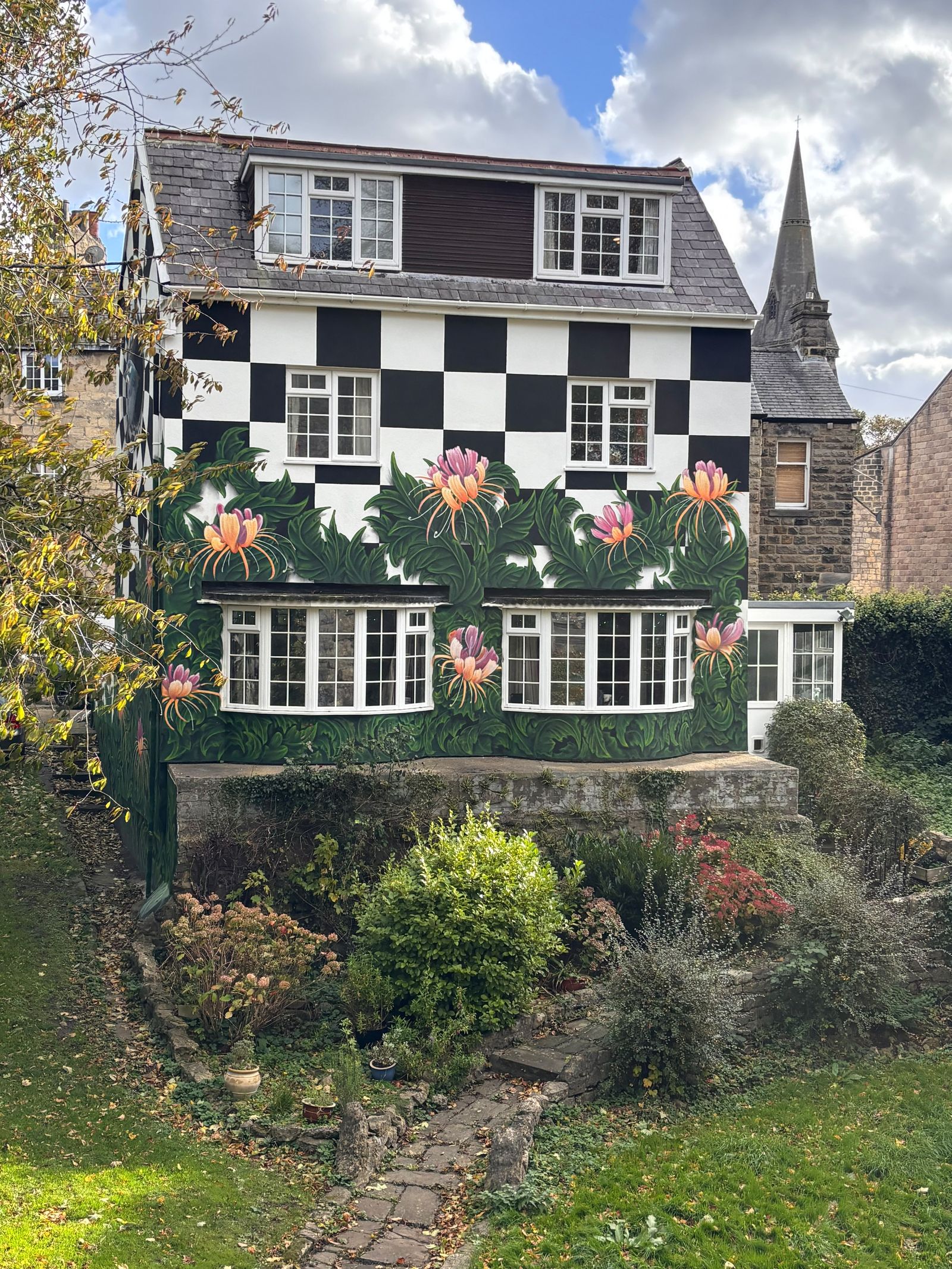
- The chequerboard houses. Several buildings in town are painted in black-and-white squares, a fashion that dates from the early 1800s. The best known is the Old Manor House, where Cromwell is said to have stayed during the siege of the castle.
- England’s oldest chemist’s shop opened in Knaresborough in 1720.
- The Knaresborough Bed Race, first held in 1966 and run on the second Saturday of June. (Exactly what it sounds like.)
Knaresborough and the spa
Knaresborough is the older town; Harrogate grew up later on its springs. When Daniel Defoe visited the Knaresborough and Harrogate wells in the 1720s, he wrote:
We were surprised to find a great deal of good company here drinking the waters, and indeed, more than we found afterwards at Scarborough; though this seems to be a most desolate out-of-the-world place
— Daniel Defoe, A Tour thro’ the Whole Island of Great Britain, Letter VIII (Internet Archive)
For the spa town’s own story, the Turkish Baths and Bettys, see our guide to Harrogate.
Knaresborough market day
A market has been held in Knaresborough since at least 1206, and Edward II granted it a royal charter in 1310. It still runs every Wednesday in the Market Place.
Getting to Knaresborough
Knaresborough station is on the line between Harrogate and York, so you can arrive by train from either, and the trains cross the viaduct, which is worth doing once. Buses run from Harrogate. That’s how I did it: bus and train to Knaresborough in the morning, then on to York. The town is steep. The castle and Market Place are at the top, the river is at the bottom, and steps and lanes link them. Wear shoes with grip.
Knaresborough on our trip
On our October 2027 Yorkshire trip, we spend Tuesday 5 October from about 10:15 to 12:15 in Knaresborough on foot: the castle grounds and the viaduct view, down the steps to the Waterside for the riverside walk, and coffee in town. We skip Mother Shipton’s Cave. The market is on Wednesday, so we miss it. From here we go on to Harrogate. Later in the week we visit Fountains Abbey twice, and spend a day in York.
Knaresborough's world: what else was happening
Knaresborough's big centuries are the medieval ones, when its castle was handed between kings and their favorites, and the Civil War, when Parliament pulled it down. Then the Georgians and Victorians: Blind Jack building roads, and a railway viaduct that fell into the river in 1848, the year after Jane Eyre came out.
- Plantagenet 1154–1485
- Tudor 1485–1603
- Stuart 1603–1714
- Georgian 1714–1837
- Victorian 1837–1901
The story Britain The wider world Other writers
- 1170 The story Hugh de Morville, constable of Knaresborough, is one of the four knights who murder Thomas Becket; they hide at the castle afterwards.
- 1206 The story The first record of a market in Knaresborough.
- 1215 Britain King John seals Magna Carta.
- 1218 The story Robert, the hermit who lived in a cave by the Nidd, dies on 24 September.
- 1310 The story Edward II grants the market a royal charter.
- 1312 Britain Piers Gaveston, Edward II's favorite and the castle's lord, is executed.
- 1348 Britain The Black Death reaches England.
- 1372 The story John of Gaunt acquires the castle; it has belonged to the Duchy of Lancaster ever since.
- 1399 The story The deposed Richard II spends a night here on his way to Pontefract.
- 1408 The story The Chapel of Our Lady of the Crag is cut into the cliff.
- 1492 The wider world Columbus reaches the Caribbean.
- 1630 The story Mother Shipton's Cave starts charging visitors, making it England's oldest paid attraction.
- 1644 The story After Marston Moor, Parliament's forces besiege and take the castle.
- 1648 The story The castle is pulled down; townspeople take the stone for their houses.
- 1649 Britain Charles I is executed.
- 1697 Other writers Celia Fiennes visits the Petrifying Well and takes home moss turned to stone.
- 1717 The story John Metcalf, later Blind Jack, is born on 15 August.
- 1720 The story What's now England's oldest chemist's shop opens here.
- 1724 Other writers Daniel Defoe's Tour starts coming out, with its account of the spa wells here.
- 1776 The wider world The American colonies declare independence.
- 1810 The story Blind Jack dies.
- 1847 Other writers Jane Eyre and Wuthering Heights are published.
- 1848 The story The nearly finished first viaduct collapses into the Nidd on 11 March.
- 1848 The wider world Revolutions across Europe; the California Gold Rush begins.
- 1851 The story Thomas Grainger's replacement viaduct opens. It still carries trains.
- 1851 Britain The Great Exhibition opens in London.
- 1966 The story The first Knaresborough Bed Race.
- 2009 The story Barbara Asquith's bronze of Blind Jack is unveiled in the Market Place.
Questions people ask
What is there to do in Knaresborough?
Walk the castle grounds for the view of the viaduct, visit the castle museum, go down to the Waterside to walk by the river or hire a rowing boat, see Mother Shipton's Cave and the Petrifying Well, and find Blind Jack's statue in the Market Place.
Is Knaresborough Castle free?
The castle grounds are a public park and free to walk. The castle and museum, run by North Yorkshire Council, have their own season and entry charge; check the council's site for current times.
When was the Knaresborough viaduct built?
The first viaduct collapsed into the river in March 1848, before it was finished. The replacement, designed by Thomas Grainger, opened in 1851 and still carries trains today. It's Grade II* listed.
Who was Blind Jack of Knaresborough?
John Metcalf (1717–1810) lost his sight to smallpox at six and became one of the first professional road builders in England, laying roads across the north. A bronze statue of him sits on a bench in the Market Place.
How far is Knaresborough from Harrogate?
About 3 miles. It's a short train ride on the Harrogate–York line, and buses run between the two towns.
Is Mother Shipton's Cave worth visiting?
It's England's oldest attraction to charge admission, open since 1630, and the Petrifying Well, where objects hung in the dripping water slowly turn to stone, is the main sight. It's a separate paid attraction with its own season, and it takes one and a half to two hours, so it fills a morning on its own.
Read next
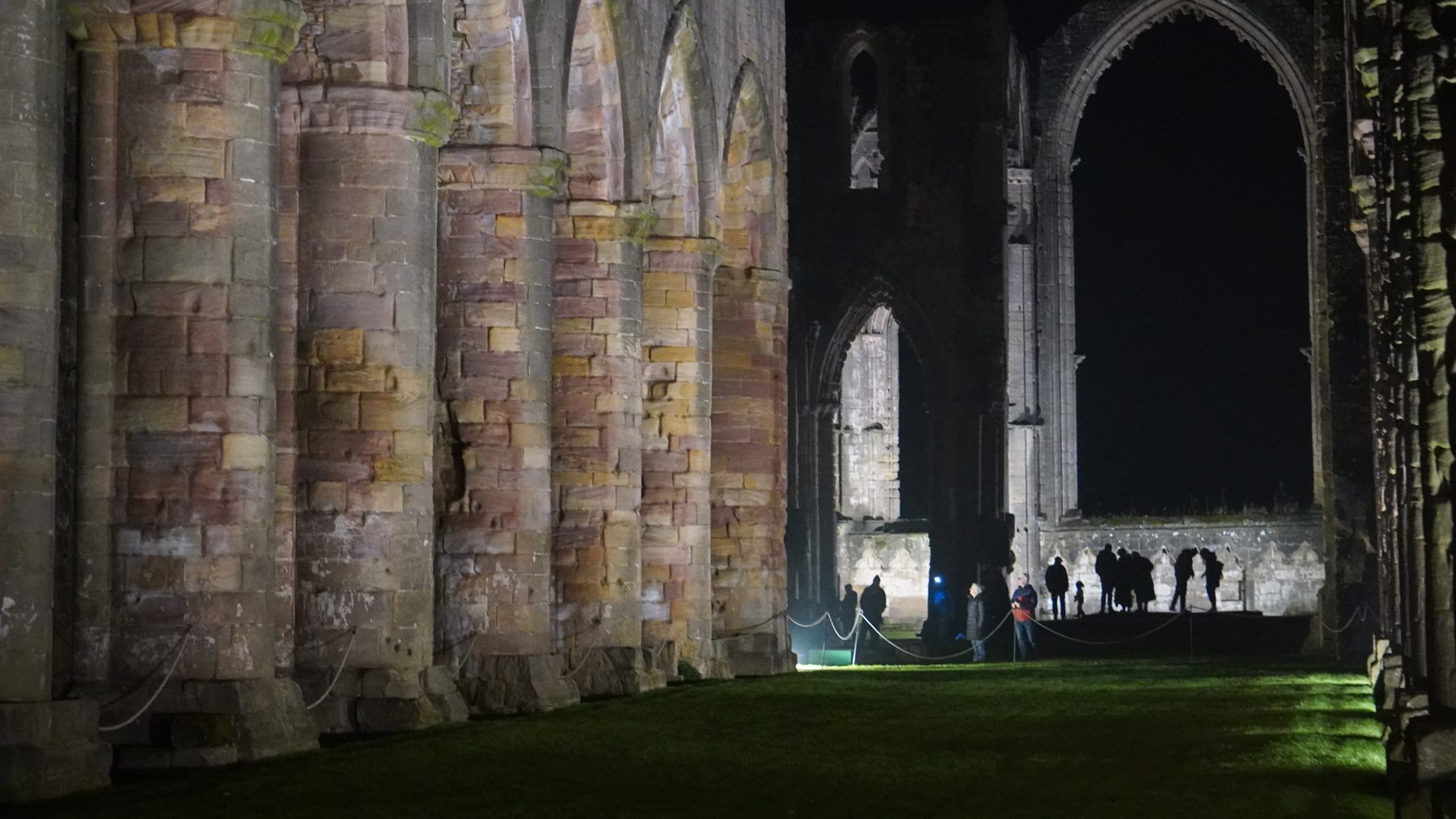 Yorkshire · Fountains AbbeyFountains Abbey, YorkshireEngland's great Cistercian ruin and its Georgian water garden, near Ripon and Harrogate. Go by day for the garden, and come back after dark in October for the floodlights.
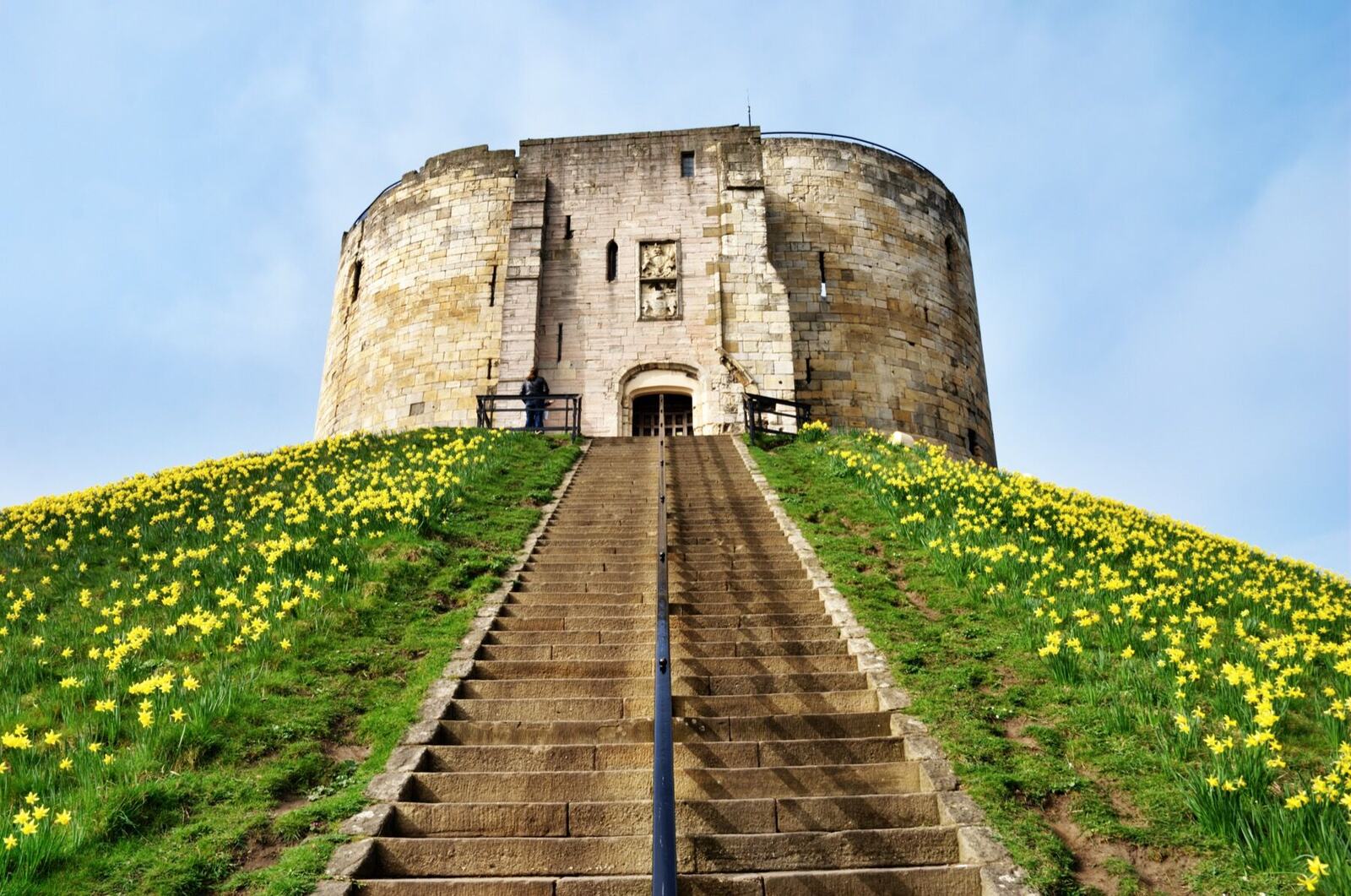 Yorkshire · YorkThings to do in York, UKWhat's worth your time in York, England, how long each place takes, and the people and books tied to the city. All of it on foot.
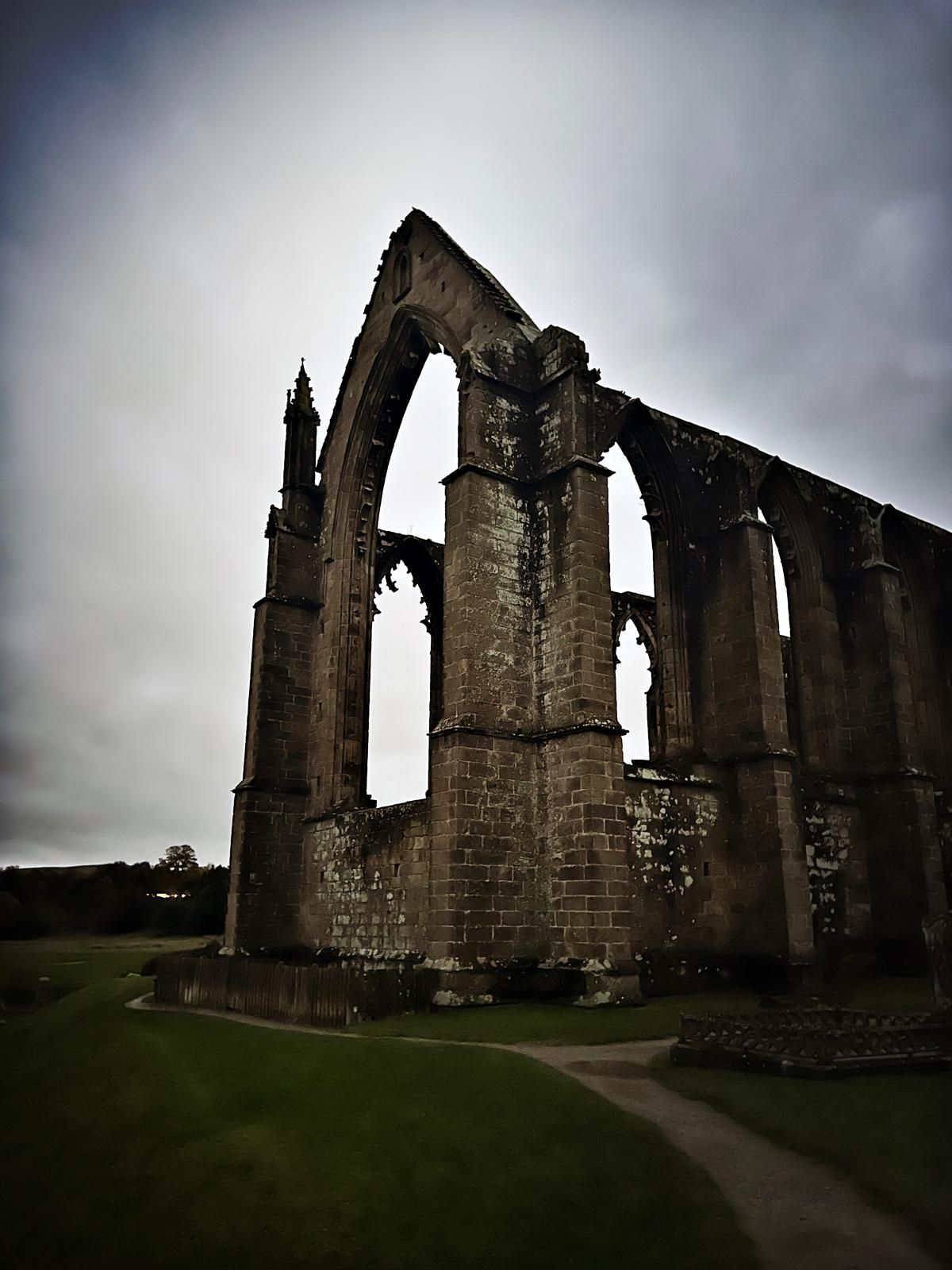 Yorkshire · The DalesBolton Abbey to SkiptonA ruined priory on the River Wharfe and one of England's most complete medieval castles, a few miles apart at the bottom edge of the Yorkshire Dales. Easy to pair, and easy to pair with Haworth too.
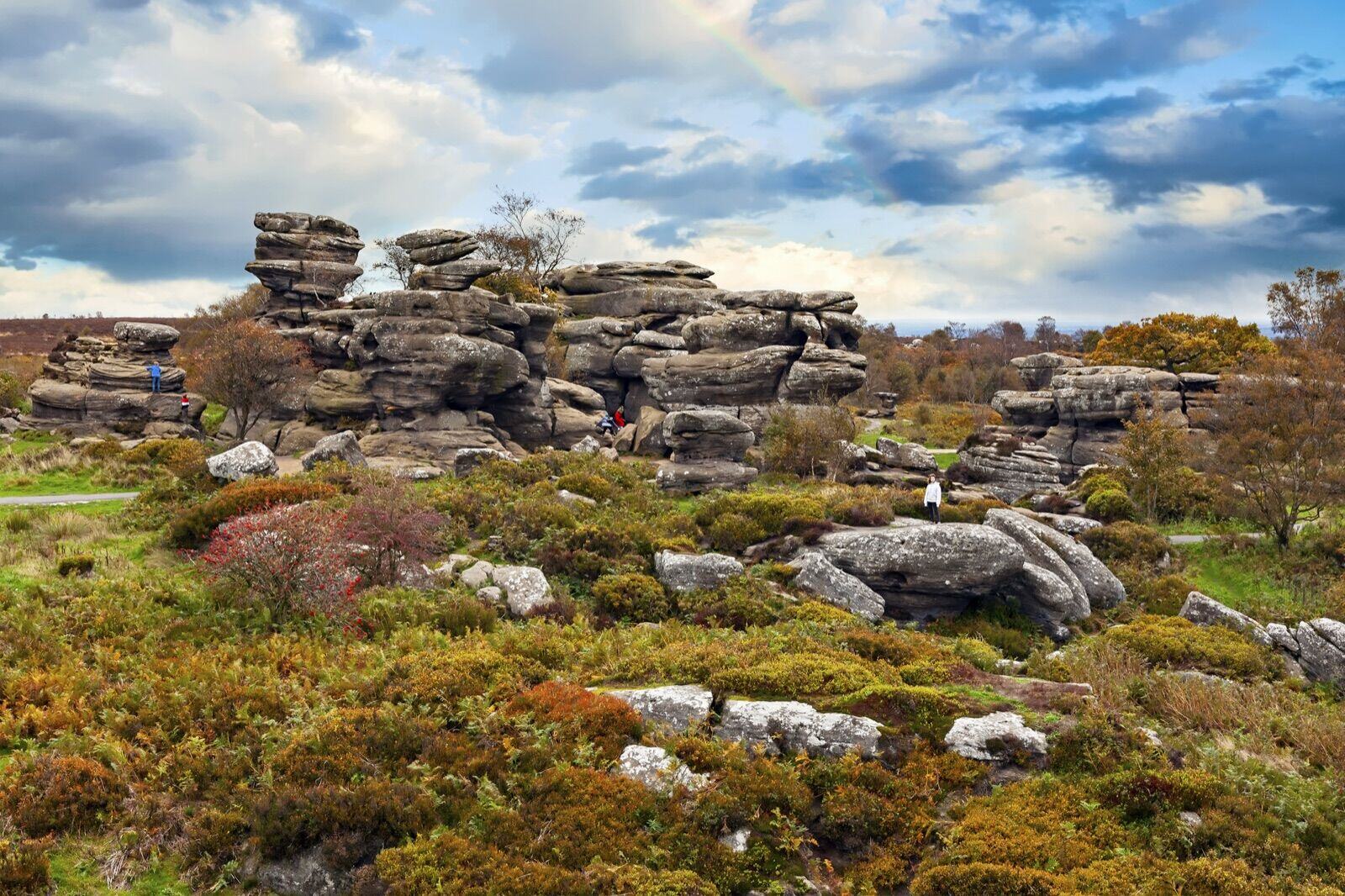 Yorkshire · NidderdaleBrimham Rocks, YorkshireHuge, oddly shaped sandstone stacks on a heather moor above Nidderdale. Free to walk among, run by the National Trust, and worth a stop even if you've only got half an hour.
Sources
- Wikipedia: Knaresborough (3 miles east of Harrogate, castle, market, Chapel of Our Lady of the Crag 1408, chemist 1720, Bed Race)
- North Yorkshire Council: History of Knaresborough Castle and Museum
- Wikipedia: Knaresborough Castle (Gaveston, John of Gaunt, Richard II)
- Historic England: Railway Viaduct over the River Nidd (Grade II*)
- Wikipedia: Knaresborough Viaduct (1848 collapse, 1851 opening, Thomas Grainger)
- Wikipedia: John Metcalf (civil engineer)
- CIHT: Unveiling of Blind Jack statue (2009)
- Wikipedia: Mother Shipton's Cave (since 1630)
- Wikipedia: Knaresborough Old Manor House (chequerboard)
- Yorkshire Post: Old Manor House, chequerboard and Cromwell
- Project Gutenberg: Celia Fiennes, Through England on a Side Saddle
- Internet Archive: Defoe, A Tour thro' the Whole Island of Great Britain
- Culture North Yorkshire: Knaresborough Castle and Courthouse Museum (opening times)
- Wikipedia: Robert of Knaresborough (died 24 September 1218)
- Wikipedia: Piers Gaveston (executed 19 June 1312)
Get the reading list first.
Trip announcements, curated reading lists, and the occasional dispatch — before anyone else.