
Yorkshire · Food
Yorkshire food and British puddings: Yorkshire pudding, fish and chips, parkin, Wensleydale and treacle sponge, with recipes
The food I learned to cook when I lived in Yorkshire, what it all means if you're American, where to eat it, and recipes so you can make it at home before you go.
- Must eat
- Yorkshire pudding with Sunday roast; fish and chips by the sea
- Must try
- Wensleydale with fruitcake; parkin; a Fat Rascal at Bettys
- In season
- Forced rhubarb, roughly January to March
- Recipes on this page
- Yorkshire pudding, parkin, treacle sponge with custard, cottage pie
- Pub lunch
- A ploughman’s, with pork pie and York ham
The short answer
Yorkshire's best-known foods are Yorkshire pudding (a puffed, crisp batter baked in hot fat and served with roast beef and gravy), fish and chips (especially in Whitby), Wensleydale cheese (eaten with fruitcake), parkin (a sticky oatmeal and ginger cake for Bonfire Night), Bettys' Fat Rascals, forced rhubarb from the Rhubarb Triangle, and Pontefract cakes (liquorice). Classic British puddings, meaning desserts, include treacle sponge with custard and sticky toffee pudding.
When I was an American living in Yorkshire, my next-door neighbor, Miss Marjorie Griffin, whom everyone called Aunty, taught me to make Yorkshire pudding, and so many other Yorkshire dishes. (Her whole story is in my guide to Yorkshire’s arts and crafts, because she taught me lace too.) So this is the food I know from the inside: what it is, why Yorkshire cares so much about it, where to eat it, and recipes so you can make it at home before you go.
A quick dictionary for Americans
British food words trip everyone up. Before anything else:
| In Britain | In America |
|---|---|
| Pudding | Dessert (and also some savory dishes, like Yorkshire pudding) |
| Tea | A cup of tea, or the early evening meal |
| Chips | Fries |
| Crisps | Chips |
| Mince | Ground beef |
| Custard | A pourable vanilla sauce, served hot |
| Golden syrup | A light, buttery cane syrup; corn syrup is the nearest swap |
| Black treacle | Molasses |
| Biscuit | Cookie |
| Scone | Closer to a biscuit (the American kind) |
Yorkshire pudding
What it is
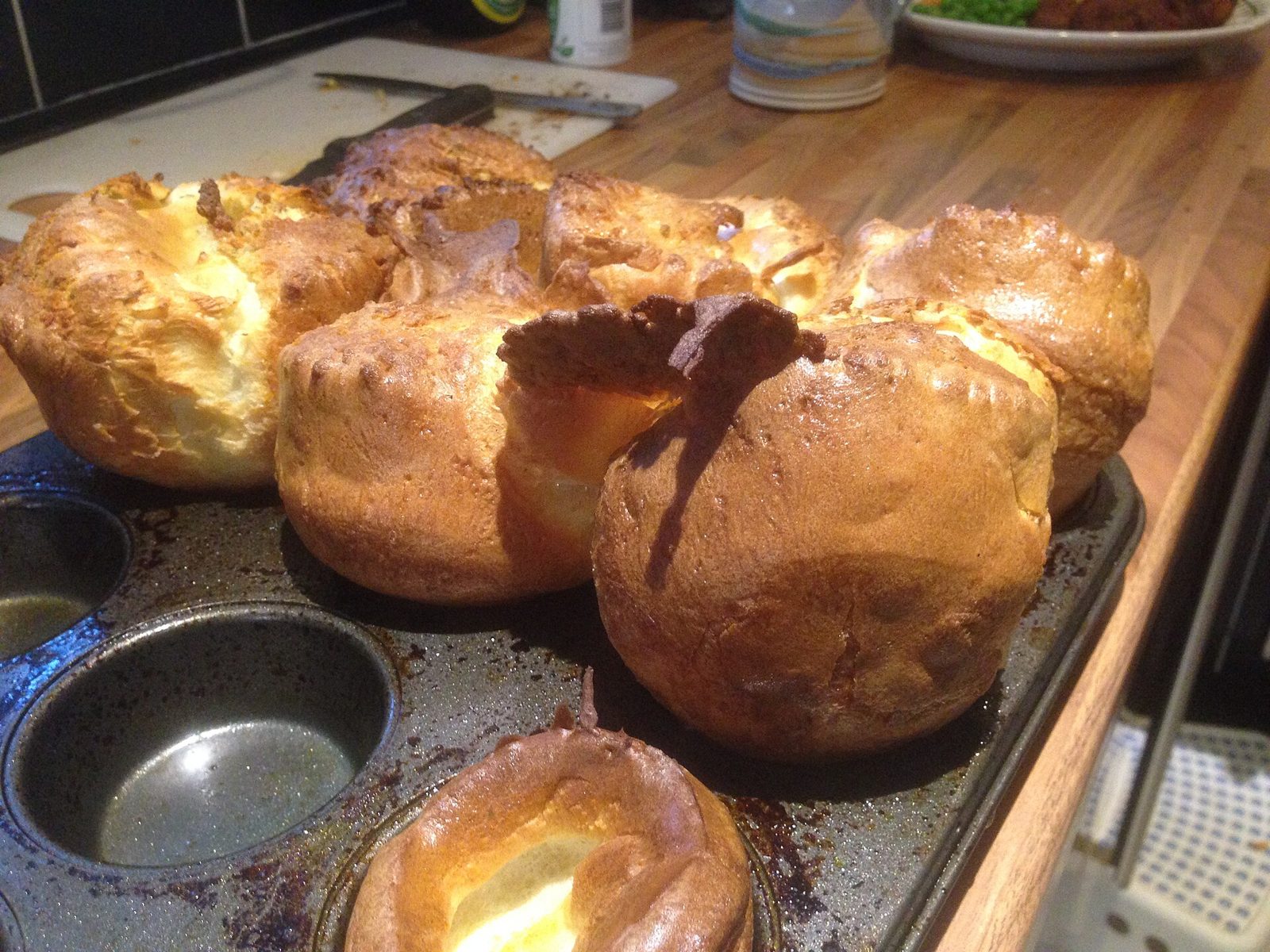
A Yorkshire pudding is batter (eggs, flour, milk) poured into smoking-hot fat and baked until it rises into a crisp, golden, hollow shell, soft in the middle. It’s not a dessert. It’s served with roast beef and gravy, poured right into the hollow. If you know American popovers, you’re close.
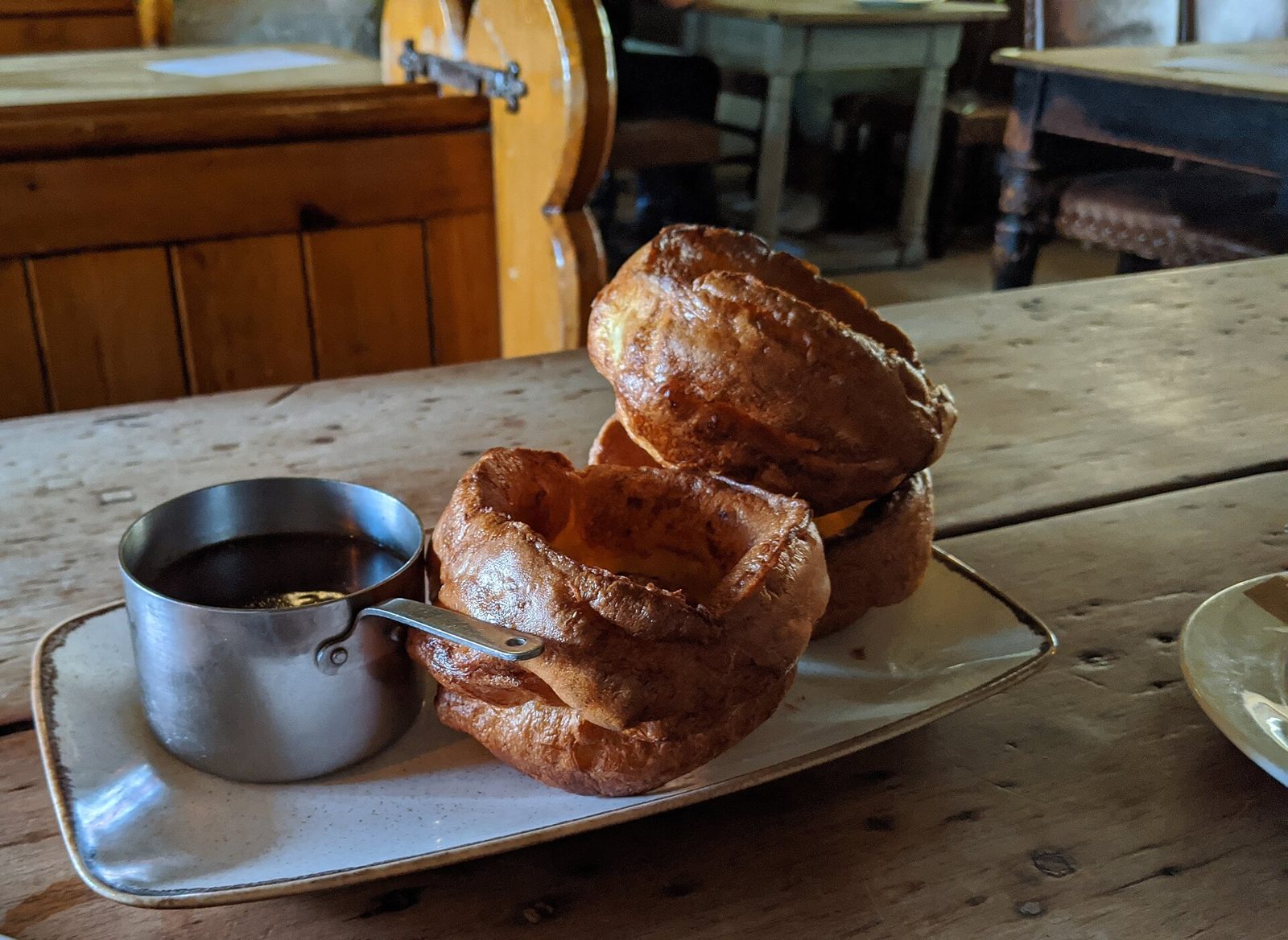 Yorkshire puddings and gravy in a pub. Photo: IReallyLikeYorhshirePuddding, CC BY-SA 4.0, via Wikimedia Commons.

Where it came from
Cooks in the north of England used to set a pan of batter under the meat as it roasted on a spit, so the fat and juices dripped into it. In 1737 a cookbook called The Whole Duty of a Woman printed a recipe for a “dripping pudding.” Ten years later, in 1747, Hannah Glasse’s best-selling The Art of Cookery Made Plain and Easy gave it the name that stuck: a Yorkshire pudding. Nobody knows why she credited Yorkshire. She wasn’t from there.
Originally the pudding was served first, before the meat, with gravy, to fill people up so they ate less of the expensive part. Some Yorkshire families still serve it that way. And in 2008 the Royal Society of Chemistry declared that a Yorkshire pudding isn’t a Yorkshire pudding unless it rises at least four inches (10 centimeters). People take this seriously.
The Sunday roast
A Sunday roast is the big midday meal of the British week: roast meat (beef is the one that comes with Yorkshire pudding), roast potatoes, vegetables, and gravy. Pubs all over Yorkshire serve one every Sunday, and it’s worth booking.
Recipe: Yorkshire puddings
Makes 12 in a muffin tin, or 4 large ones in a 4-hole pudding tin.
The old rule is equal volumes of egg, flour and milk, which is how you can make them without a recipe once you’ve got the hang of it.
- 3 large eggs
- ¾ cup (100 g) all-purpose flour
- ¾ cup (180 ml) whole milk
- A pinch of salt
- Beef dripping, lard or a neutral oil with a high smoke point (about 1 teaspoon per cup)
- Whisk the eggs, flour, salt and milk into a smooth batter, about the thickness of heavy cream. Let it rest for at least 30 minutes. (An hour or more is even better.)
- Heat the oven to 450°F (230°C).
- Put a teaspoon of fat in each cup of the tin and heat it in the oven for about 10 minutes, until the fat is smoking hot. This is the step that matters most.
- Working fast, take out the tin, pour the batter in until each cup is a third to half full (it should sizzle), and put it straight back.
- Bake 20 to 25 minutes, until tall, golden and crisp. Don’t open the oven door for the first 15 minutes, or they’ll fall.
- Serve right away, with roast beef and plenty of gravy.
Fish and chips
The story
Fish and chips is the great British takeaway. Fried fish came to London with Jewish immigrants whose families came from Portugal and Spain, and fried potatoes were already being sold in the north of England. The first fish and chip shop, by most accounts, was Joseph Malin’s in East London, around 1860. The north’s claim belongs to John Lees, who sold them from a hut in Mossley market in 1863. In Yorkshire, Harry Ramsden opened his first shop near Leeds in 1928, and it grew into one of the most famous chippies in the country.
During the Second World War, fish and chips were never rationed. They were thought too important for keeping people fed and cheerful.
How to order
The fish is usually cod or haddock (in Yorkshire, haddock is the favorite), fried in batter. Chips are thick-cut, nothing like fries. Sprinkle on salt and malt vinegar. On the side, ask for mushy peas: dried marrowfat peas cooked soft and mashed. They’re bright green and much better than they sound. Eat them by the sea, out of the paper, if the gulls let you.
Whitby
If you only eat fish and chips once, eat them in Whitby, the fishing town where Dracula came ashore. The harbor is lined with fish and chip shops, and the fish comes off the North Sea. My guide to Whitby and Dracula has the rest of the town.
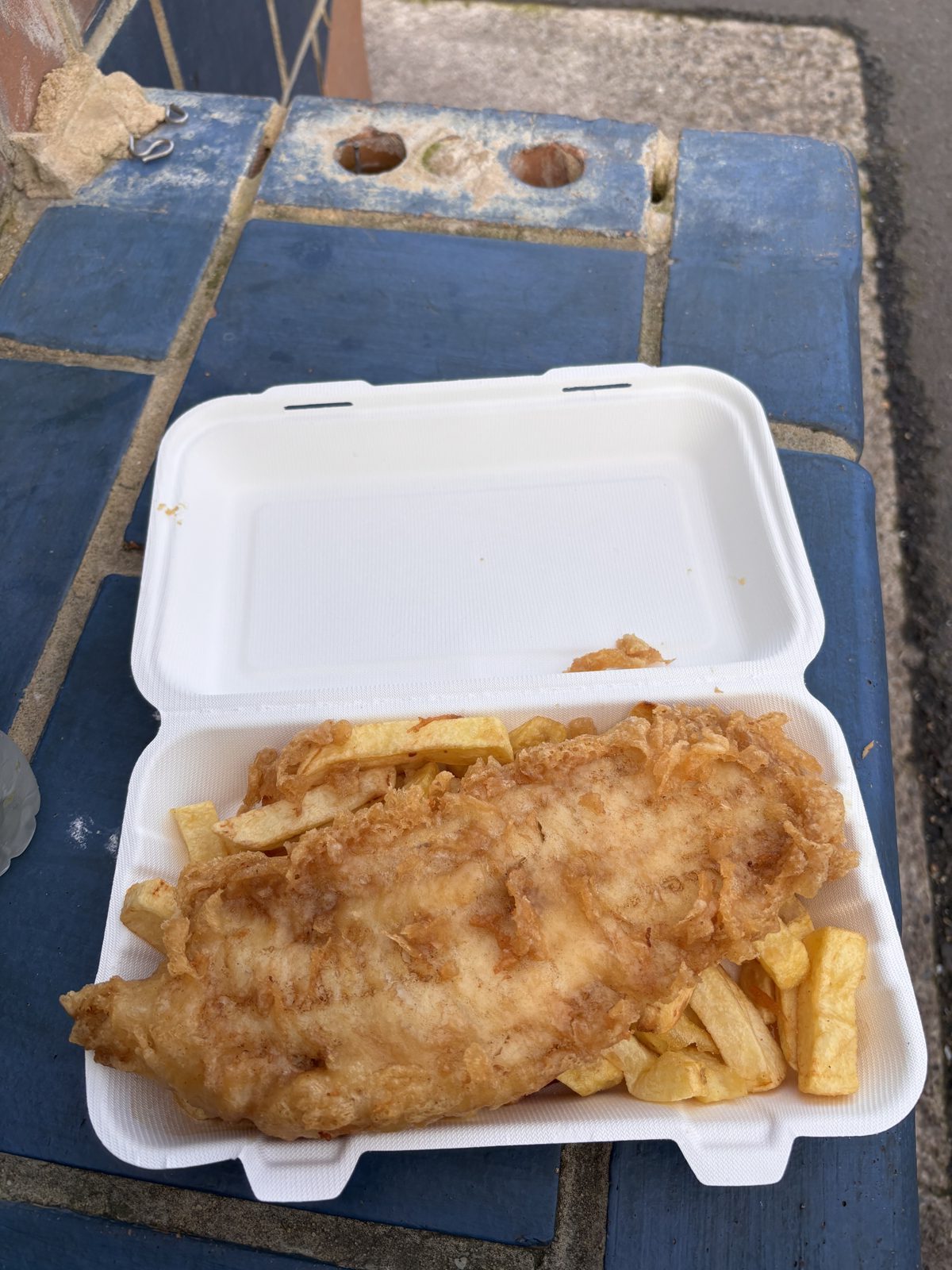 My fish and chips in Whitby, eaten out of the box by the harbor, October 2026. Photo: Twice Told Stories.
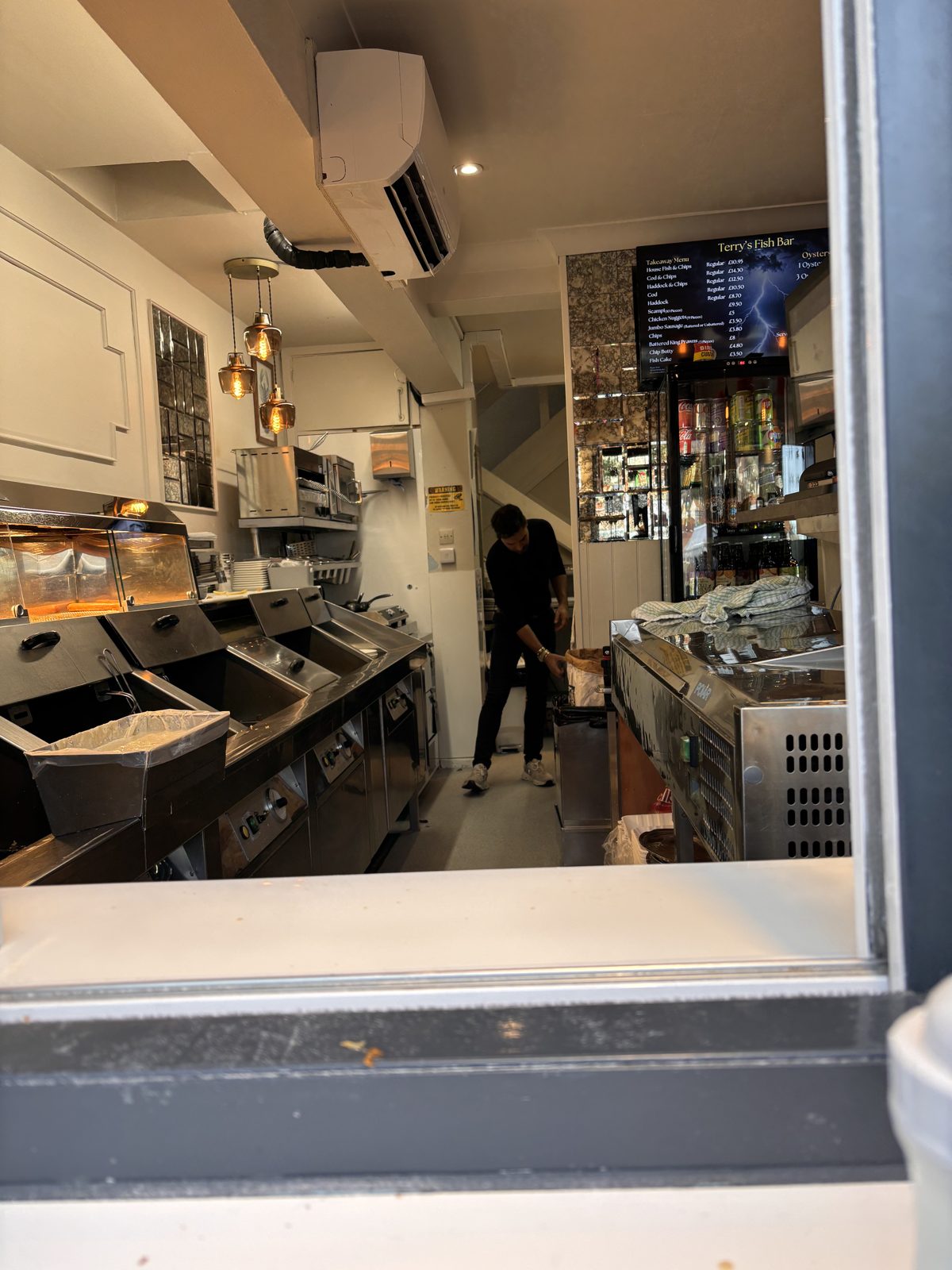 The fryers, seen through the takeaway window. Photo: Twice Told Stories.
Wensleydale cheese, and why it goes with fruitcake
Wensleydale is a crumbly, mild, slightly sweet white cheese from the Yorkshire Dales. French Cistercian monks brought cheesemaking to the dale in the 1100s. The first commercial creamery opened in the market town of Hawes in 1897. In the 1930s, when it was the last cheese factory left in the dale and about to close, a local man named Kit Calvert rallied the town to save it. It nearly closed again in 1992, and its own managers bought it and reopened it within six months. Today the Wensleydale Creamery in Hawes has a visitor center where you can watch the cheese being made.
If you know it at all, you might know it from Wallace and Gromit: Wensleydale is Wallace’s favorite cheese.
The Yorkshire way to eat it is with fruitcake: a slice of rich fruitcake (Christmas cake is the classic) with a slice of Wensleydale on the side. The salt against the sweet is the point. There’s an old Yorkshire saying that fruitcake without the cheese is like a kiss without a squeeze.
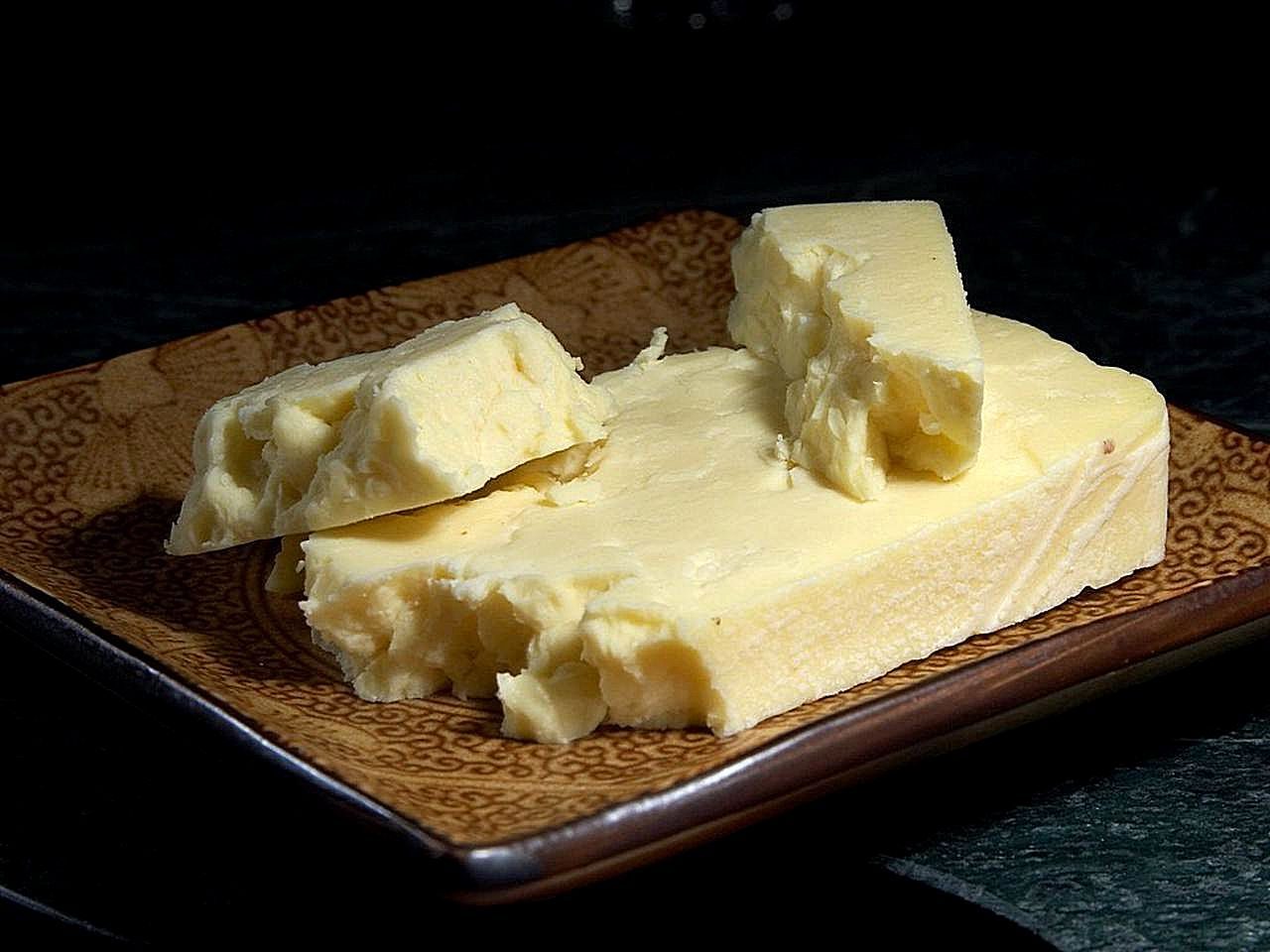 Wensleydale cheese: crumbly and mild. Photo: Jon Sullivan, public domain, via Wikimedia Commons.

Bettys, and the Fat Rascal
Bettys is a Yorkshire institution: a tea room founded in Harrogate in 1919 by a Swiss confectioner, Frederick Belmont, with a York branch from 1937. It’s where you go for afternoon tea, and for a Fat Rascal: a big, round, fruity scone-like bun with a face made of glacé cherries and almonds. Bettys has made them famous; they’re its signature bake. The York branch has a mirror signed by wartime airmen, which I wrote about in an afternoon in York.
The same company, Taylors of Harrogate, launched Yorkshire Tea in 1977, and it’s now one of the best-selling teas in Britain.
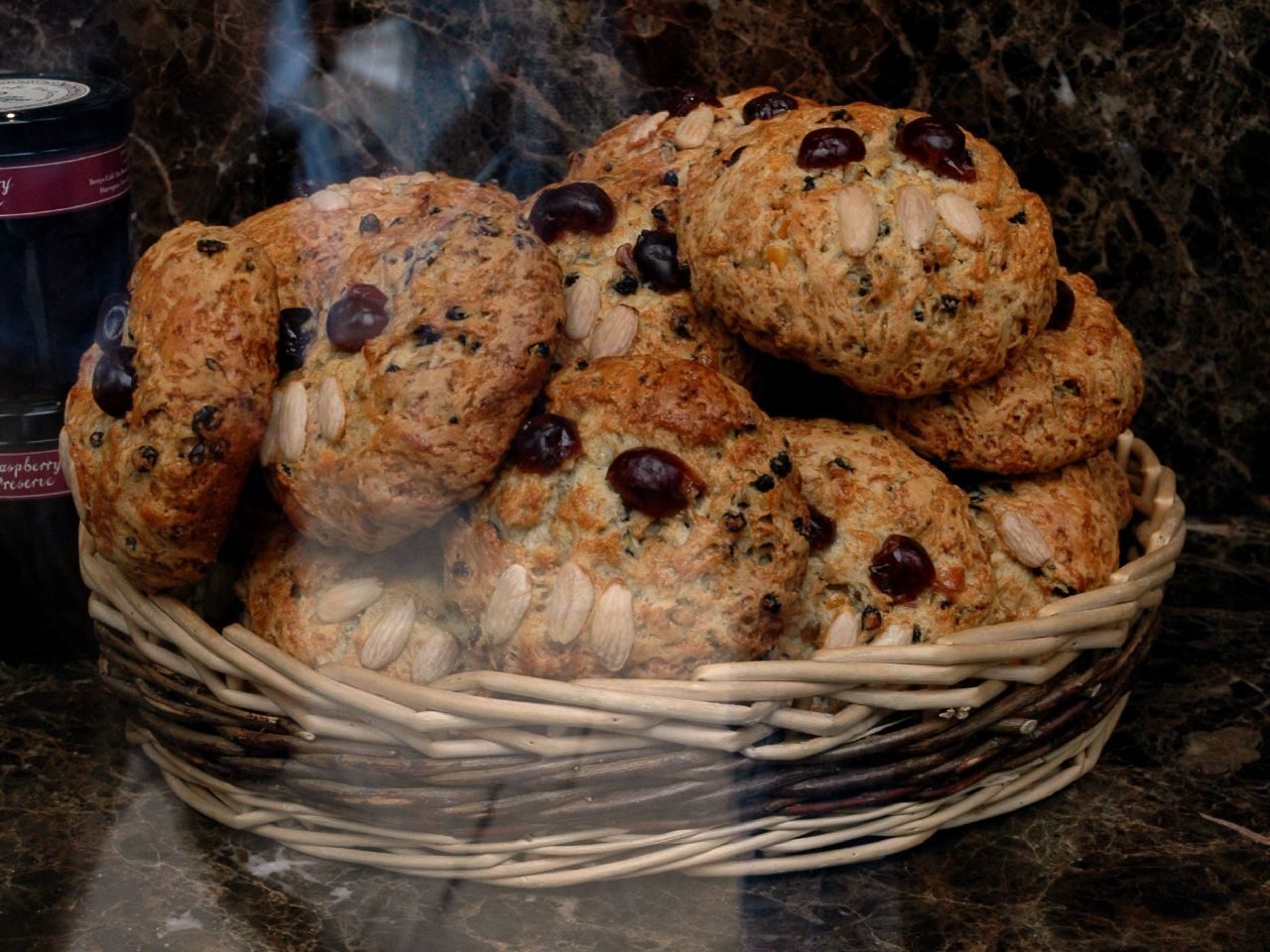 Fat Rascals at Bettys in York. Photo: Wendy Slattery, CC BY 2.0, via Wikimedia Commons.

How the British drink tea
Strong black tea, with milk, and sugar if you like. Nobody will offer you cream. If someone asks “how do you take it?”, they mean milk and sugar. And “a brew” is a cup of tea.
Parkin
Parkin is a dark, dense, sticky cake from the north of England, made with oatmeal, ginger, golden syrup and black treacle. It’s eaten on Bonfire Night, 5 November, when Britain lights bonfires and fireworks to mark Guy Fawkes’s failed plot to blow up Parliament. (Fawkes was a Yorkshireman, born in York.) The secret of parkin is patience: wrap it up and leave it for a few days before you eat it, and it gets stickier and better.
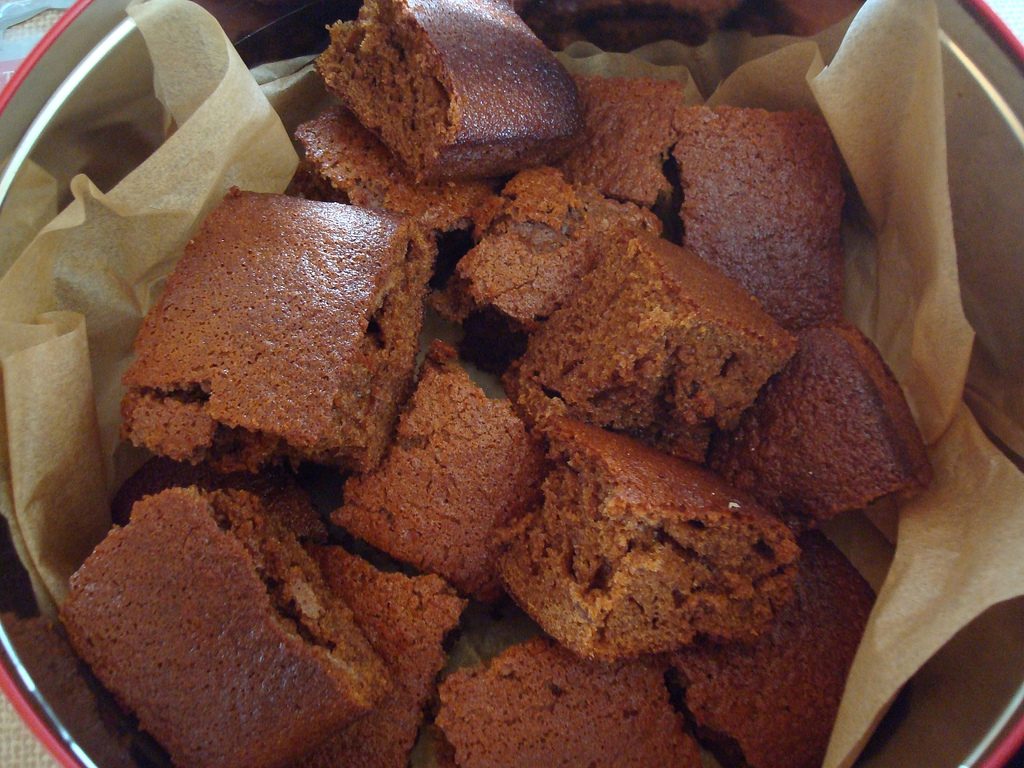 Yorkshire parkin. Photo: Spider.Dog, CC BY-SA 2.0, via Wikimedia Commons.

Recipe: Yorkshire parkin
Makes one 8-inch (20 cm) square cake, about 16 squares.
- 1 stick plus 1 tablespoon (125 g) butter
- ½ cup packed (100 g) dark brown sugar
- ¼ cup (85 g) golden syrup (or light corn syrup)
- ¼ cup (85 g) black treacle (or molasses, not blackstrap)
- ¾ cup plus 1 tablespoon (100 g) all-purpose flour
- 2 cups (200 g) old-fashioned oats, pulsed in a food processor until fine but not powder
- 1 tablespoon ground ginger
- 1 teaspoon ground nutmeg or mixed spice
- 1 teaspoon baking soda
- 1 large egg, beaten
- 3 tablespoons milk
- Heat the oven to 275°F (140°C). Line an 8-inch square pan with parchment.
- Melt the butter, sugar, syrup and treacle together in a saucepan over low heat. Don’t let it boil.
- In a big bowl, mix the flour, oats, ginger, nutmeg and baking soda.
- Pour in the melted mixture, then the egg and milk, and stir until smooth. It will be runny. That’s right.
- Pour into the pan and bake for about 1 hour 15 minutes, until firm and a skewer comes out clean.
- Cool in the pan. Then wrap it tightly and leave it for 3 days before you cut it.
The Rhubarb Triangle
Between Wakefield, Morley and Rothwell, in West Yorkshire, is a small patch of farmland called the Rhubarb Triangle. Here rhubarb plants spend two years growing in the fields, then are moved into long, dark, heated sheds and “forced”: grown in darkness, so the stalks shoot up pink, tender and sweet, looking for light. Growers pick them by candlelight, and in the quiet you can hear the buds creak and pop as they grow. At one time this little triangle grew most of the world’s winter forced rhubarb. Since 2010, Yorkshire Forced Rhubarb has had Protected Designation of Origin, the same kind of protection as Champagne.
It’s in season roughly January to March, which is why you won’t see it in October. Wakefield holds a rhubarb festival every winter, and some farms run tours of the sheds.
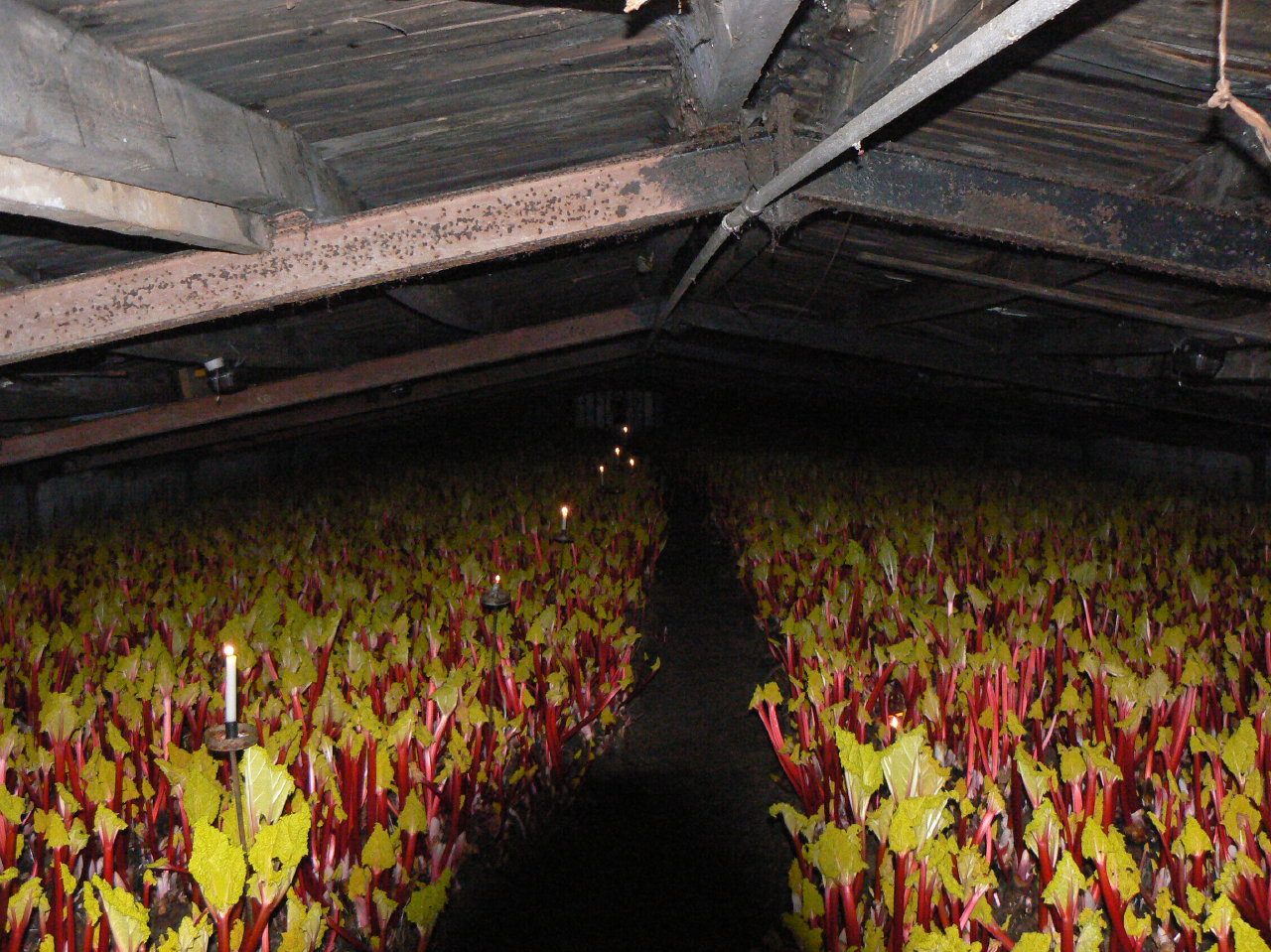 A rhubarb forcing shed at Carlton, lit by candles. Photo: Alan Murray-Rust, CC BY-SA 2.0, via Wikimedia Commons.

Pontefract cakes and liquorice
Pontefract, near Wakefield, has grown liquorice since the Middle Ages, when it was used as medicine. Pontefract cakes are small, flat, black liquorice discs stamped with a picture of Pontefract Castle. The story goes that an apothecary named Dunhill added sugar in 1760 and turned the medicine into a sweet, though historians argue about the date. Either way, the town still holds a liquorice festival.
Yorkshire curd tart
A pastry case filled with curds (fresh cheese, like a dry ricotta), eggs, sugar, currants and nutmeg. It’s a little like a cheesecake, and very old. You’ll find it in Yorkshire bakeries and tea rooms.
British puddings (the dessert kind)
Treacle sponge with custard
A light steamed sponge cake with golden syrup soaked into the top, turned out of its bowl and drowned in hot custard. It’s school-dinner comfort food, and nobody’s too grown-up for it. The “treacle” is golden syrup, which Lyle’s started selling in London in 1883. And the custard most British families poured on it came from a tin: Bird’s custard powder, invented in Birmingham in 1837 by Alfred Bird for his wife, who couldn’t eat eggs.
Recipe: treacle sponge
Serves 6. You need a 1½-quart (1.2-liter) heatproof pudding bowl and a big lidded pot to steam it in.
- 4 tablespoons golden syrup, plus extra to serve
- 1 stick (115 g) soft butter, plus extra for the bowl
- ½ cup plus 1 tablespoon (115 g) superfine sugar
- 2 large eggs
- 1 scant cup (115 g) all-purpose flour plus 1½ teaspoons baking powder
- 2 tablespoons milk
- Finely grated zest of 1 lemon (optional)
- Butter the bowl well and spoon the golden syrup into the bottom.
- Beat the butter and sugar until pale and fluffy. Beat in the eggs one at a time, then fold in the flour, baking powder, lemon zest and milk.
- Spoon the batter on top of the syrup and smooth it.
- Cover with a sheet of parchment and a sheet of foil, pleated together across the middle so the pudding has room to rise. Tie it tight under the rim with string.
- Stand the bowl on an upturned saucer in the pot, pour in boiling water to come halfway up the bowl, put the lid on, and steam for 1½ hours. Top up with boiling water if it runs low.
- Loosen the edges with a knife and turn it out onto a plate. Pour over more warm syrup, and serve with custard.
Recipe: proper custard
Makes about 2 cups.
- 1 cup (250 ml) whole milk
- 1 cup (250 ml) heavy cream
- 4 large egg yolks
- 3 tablespoons sugar
- 1 teaspoon cornstarch
- 1 teaspoon vanilla extract
- Heat the milk and cream until steaming, not boiling.
- Whisk the yolks, sugar and cornstarch in a bowl. Slowly whisk in the hot milk.
- Pour it back into the pan and stir over low heat until it thickens enough to coat the back of a spoon, about 5 minutes. Don’t let it boil, or it will scramble.
- Stir in the vanilla and serve hot. (Or do as most of Britain does, and use Bird’s.)
Other puddings worth knowing
- Sticky toffee pudding: a soft date sponge soaked in toffee sauce. Not from Yorkshire, but you’ll see it everywhere, and you should order it.
- Crumble: fruit (apple, or Yorkshire rhubarb) under a buttery, crumbly topping, with custard.
- Spotted dick: a steamed suet sponge with currants. Yes, that’s its real name. Yes, everyone laughs.
- Eton mess: strawberries, cream and crushed meringue. Summer only.
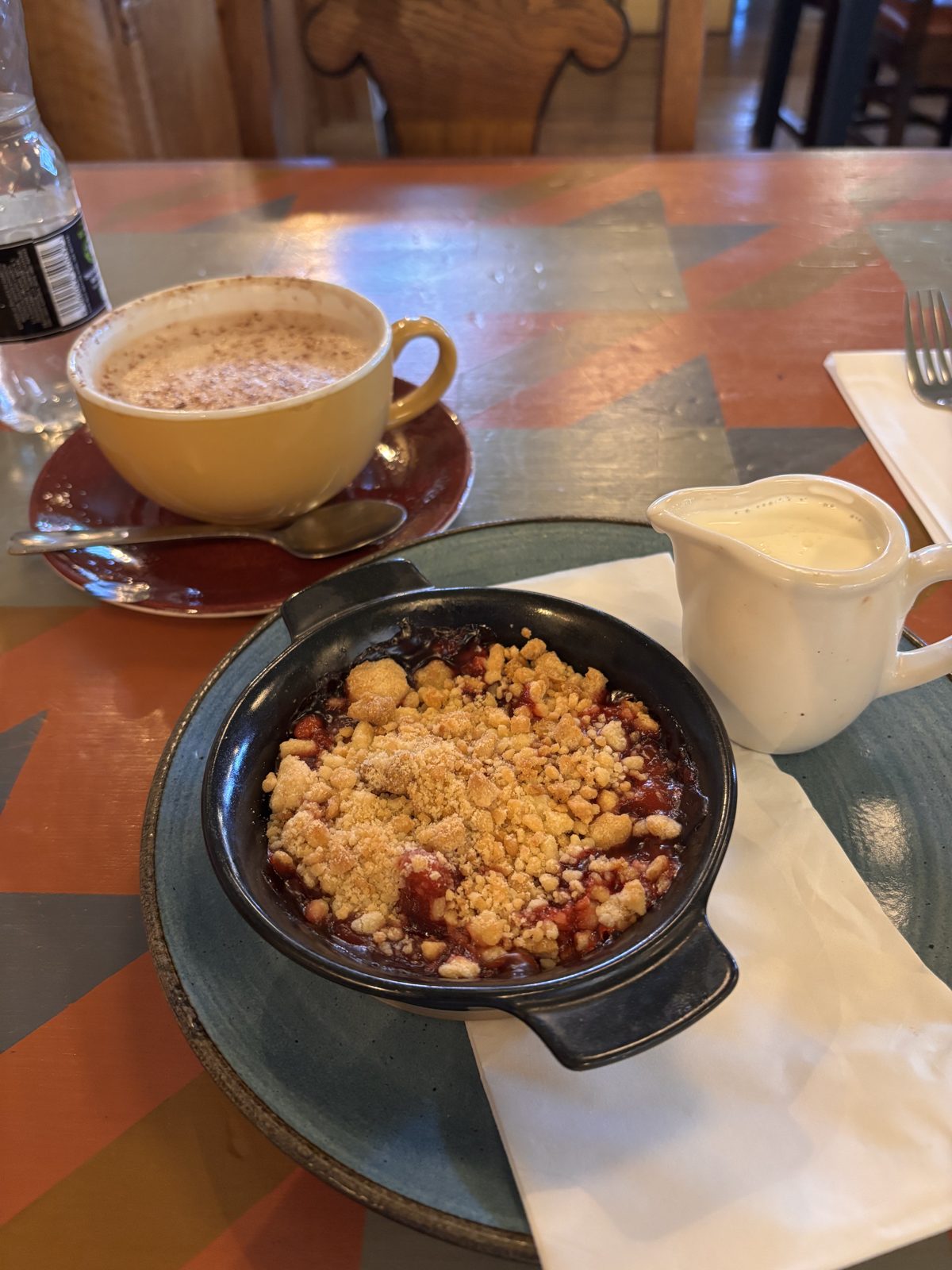 Crumble in a Whitby café, with a little jug on the side, October 2026. Photo: Twice Told Stories.
Ploughman’s lunch, pork pie and York ham
The ploughman’s lunch
A ploughman’s lunch is the classic cold pub lunch: a hunk of crusty bread and butter, a big wedge of cheese (Cheddar, or in Yorkshire, Wensleydale), pickle (a sweet, chunky brown chutney), pickled onions, an apple, and often a slice of ham or pork pie. You’ll find it on almost every country pub menu, and it’s perfect with a pint.
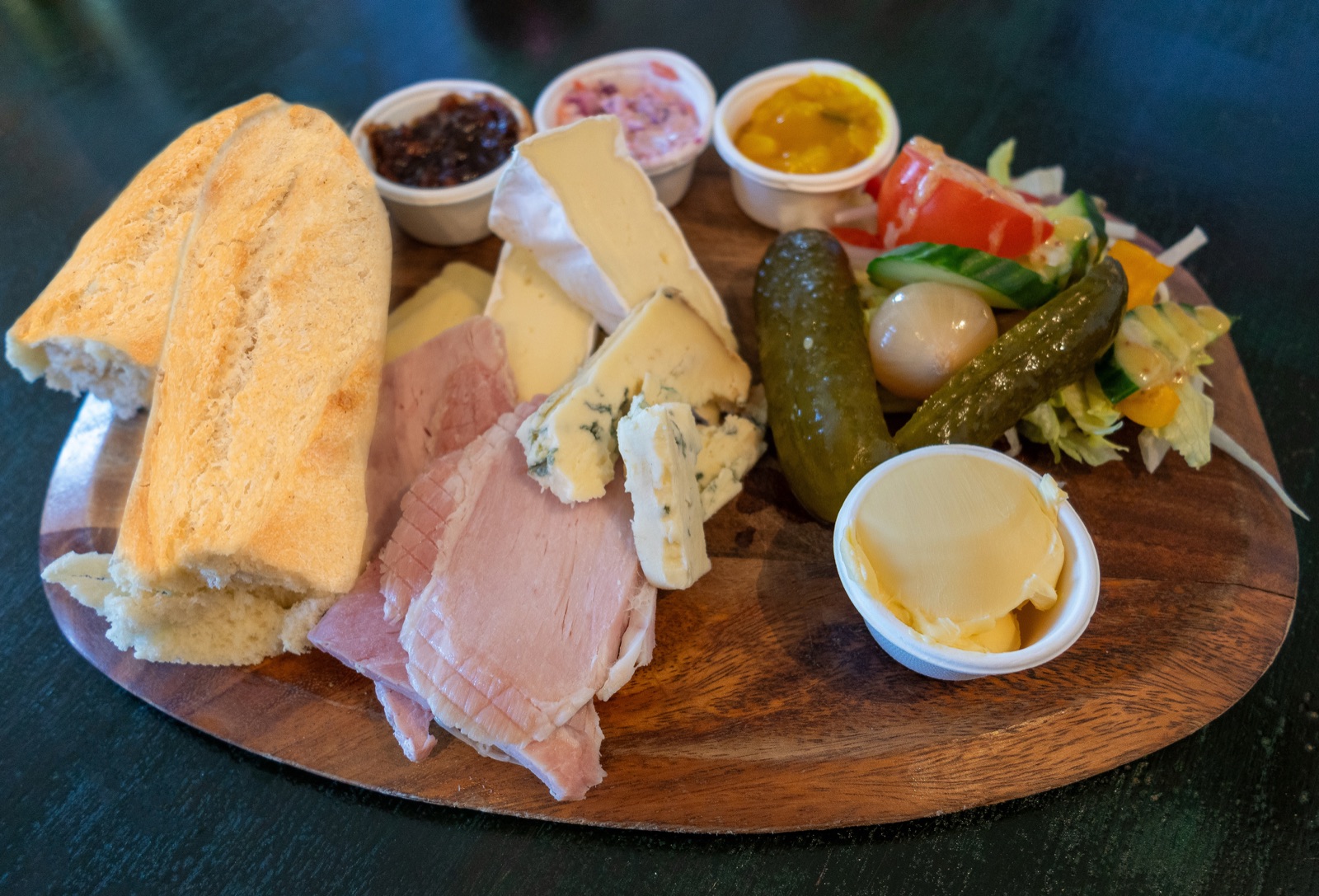 A ploughman’s lunch: bread and butter, ham, cheese, pickles and chutney. On our trip, a ploughman’s is lunch on the Haworth day, packed to eat on the bus. Photo: iStock, licensed.
It sounds ancient, and the words are old (a “ploughman’s luncheon” turns up in a book in 1837), but the dish you order in a pub was largely invented by marketing. In the 1950s and 1960s, Britain’s Cheese Bureau and the Milk Marketing Board promoted it to sell more cheese in pubs, down to printing showcards for the bar. It worked. Real ploughmen did eat bread and cheese in the fields, so it isn’t all made up. The name just got a very good publicist.
Yorkshire pork pie
A pork pie is a raised pie of chopped pork in a firm, golden hot-water crust (pastry made with lard and boiling water), eaten cold, often with a dab of mustard or pickle. The famous English one is from Melton Mowbray in Leicestershire, not Yorkshire, but Yorkshire has its own tradition: Yorkshire butchers usually make theirs with cured pork, so the filling is pink instead of grey. Buy one from a local butcher, not a supermarket, and eat it on a walk or as part of a ploughman’s.
York ham
York ham is a dry-cured ham: rubbed with salt and hung for months to cure, then cooked before eating (unlike Parma ham, which is eaten raw). It’s mild and pale, and it has been sold under the York name since at least the 1700s. The legend is that the first York hams were smoked over oak sawdust from the building of York Minster. It’s a lovely story, and nobody can prove it. You’ll find York ham in a ploughman’s, in sandwiches, and on Christmas tables.
Cottage pie
Cottage pie is minced beef in a rich gravy with onions and carrots, topped with mashed potato and baked until the top is golden and crisp. Make it with lamb instead and it’s shepherd’s pie (shepherds look after sheep). It’s the food of cold evenings all over Britain.
Delia Smith’s cottage pie is my favorite. Delia is the cookery writer who taught much of Britain to cook, and her “Special cottage pie” is in her Complete Cookery Course. It’s her recipe, so I won’t copy it here: find it in her book, or on her website, Delia Online. Below is a good basic cottage pie to start with, with my secret ingredient added: a bit of cinnamon in the meat mixture.
Recipe: cottage pie, with my secret ingredient
Serves 4 to 6.
For the filling:
- 1 tablespoon oil
- 1 lb (450 g) ground beef
- 1 large onion, finely chopped
- 2 carrots, finely chopped
- 1 tablespoon all-purpose flour
- 1 tablespoon tomato paste
- 1¼ cups (300 ml) beef stock
- 1 tablespoon Worcestershire sauce
- 1 teaspoon dried thyme
- ½ teaspoon ground cinnamon (my secret ingredient)
- Salt and pepper
For the topping:
- 2 lb (900 g) floury potatoes (russets), peeled and cut into chunks
- 3 tablespoons butter
- About ½ cup (120 ml) hot milk
- ½ cup grated sharp Cheddar (optional)
- Brown the beef in the oil in a large pan, breaking it up. Lift it out.
- Soften the onion and carrots in the same pan, about 10 minutes.
- Return the beef, stir in the flour and tomato paste, then the stock, Worcestershire sauce, thyme and cinnamon. Simmer gently, uncovered, for 30 minutes, until thick. Season and spoon into a baking dish.
- Meanwhile, boil the potatoes until tender, drain, and mash with the butter and milk. Season well.
- Spread the mash over the beef and rough up the top with a fork (the ridges go crisp). Scatter over the cheese if using.
- Bake at 400°F (200°C) for 25 to 30 minutes, until bubbling and golden.
Where to eat it, on a map
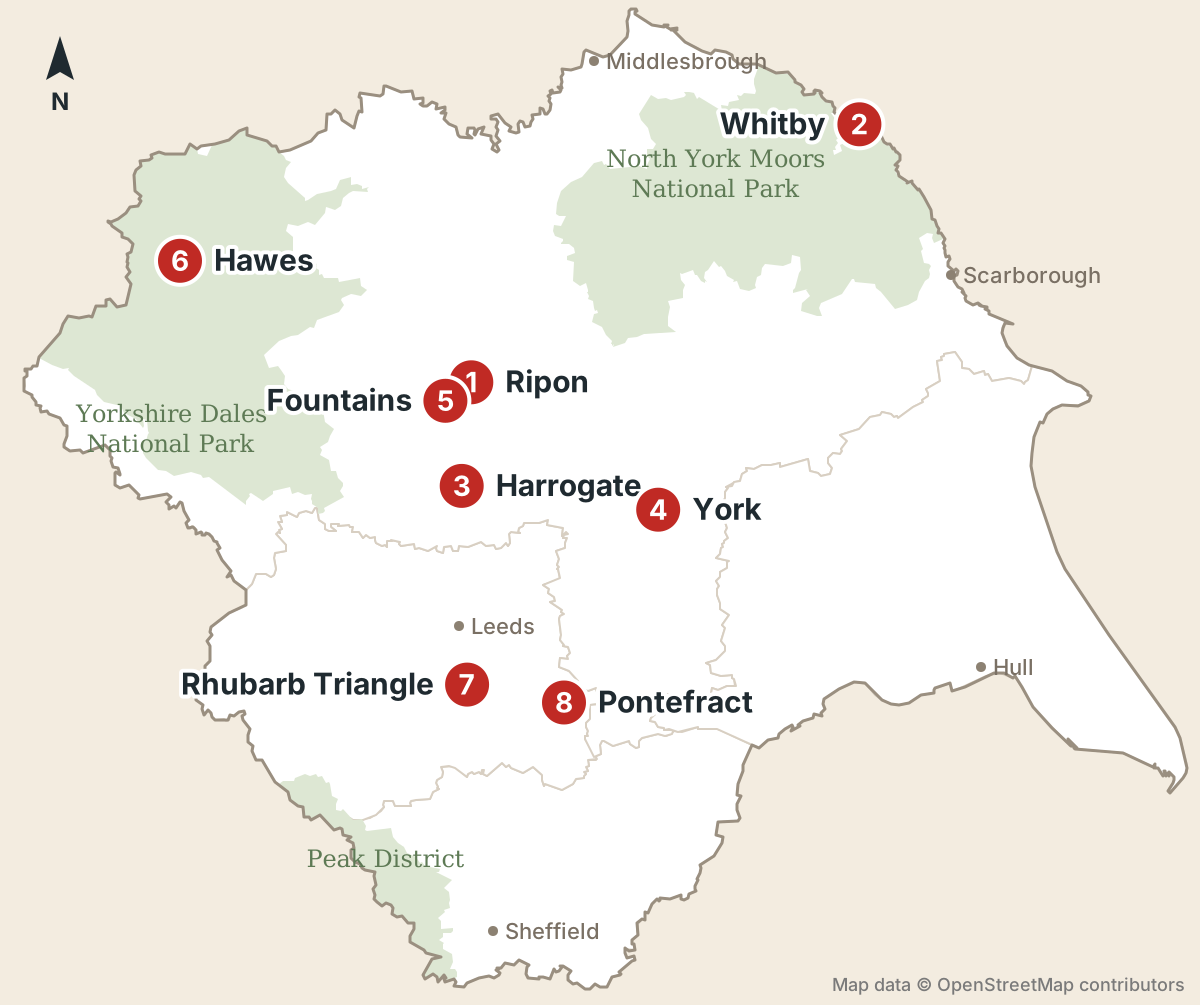
- Ripon: Sunday roast at the Old Deanery
- Whitby: fish and chips
- Harrogate: the first Bettys, afternoon tea
- York: Bettys, and Fat Rascals
- Fountains Abbey: supper from the food trucks at Floodlight
- Hawes: the Wensleydale Creamery
- The Rhubarb Triangle
- Pontefract: liquorice
What we eat on our trip
| Day | What | Where |
|---|---|---|
| Sunday | Sunday roast with Yorkshire pudding | At the house, the Old Deanery in Ripon (planned) |
| Monday | Fish and chips | Whitby harbor |
| Tuesday | Afternoon tea | Bettys, Harrogate, where it began in 1919 |
| Thursday | Lunch together | Bettys, York |
| Friday | Supper from the food trucks | Fountains by Floodlight |
Breakfast, lunch and dinner are included all week; the trip page has the details.
On our trip
On our October 2027 Yorkshire trip you’ll eat most of the food on this page, and if you make the recipes during the summer before we go, you’ll know exactly what you’re tasting when it arrives.
It’s called Twice Told Stories because you learn the stories before you go, and you come home with your own.
Yorkshire food: what else was happening
Yorkshire pudding got its name the same decade as Samuel Richardson's <em>Clarissa</em>, and the first fish and chip shops opened as the American Civil War began.
- Georgian 1714–1837
- Victorian 1837–1901
- War and rationing 1939–1954
The story Britain The wider world Other writers
- 1150 The story Around now, French Cistercian monks settle in Wensleydale and start making cheese from ewe's milk.
- 1620 The wider world The Mayflower sails for New England.
- 1737 The story The Whole Duty of a Woman prints a recipe for a 'dripping pudding,' cooked under the roasting meat.
- 1747 The story Hannah Glasse's The Art of Cookery calls it a Yorkshire pudding.
- 1747 Other writers Samuel Richardson starts publishing Clarissa.
- 1776 The wider world The American colonies declare independence.
- 1837 Other writers A "ploughman's luncheon" appears in Lockhart's life of Sir Walter Scott.
- 1837 Britain Alfred Bird invents egg-free custard powder in Birmingham, for his wife.
- 1843 Other writers Dickens's A Christmas Carol: Mrs Cratchit's pudding 'like a speckled cannon-ball.'
- 1860 Britain Joseph Malin's fish and chip shop opens in East London, by most accounts the first.
- 1861 The wider world The American Civil War begins.
- 1863 Britain John Lees sells fish and chips from a hut in Mossley market, in the north.
- 1883 Britain Lyle's Golden Syrup goes on sale in London.
- 1886 The wider world Coca-Cola is invented in Atlanta.
- 1897 The story Wensleydale's first commercial creamery opens in Hawes.
- 1919 The story The first Bettys opens in Harrogate.
- 1928 The story Harry Ramsden opens his first fish and chip shop, near Leeds.
- 1928 The wider world Mickey Mouse appears in Steamboat Willie.
- 1935 The story Kit Calvert rallies Hawes to save the last cheese factory in Wensleydale.
- 1940 Britain Food rationing begins in Britain. Fish and chips are never rationed.
- 1954 Britain Rationing finally ends, nine years after the war.
- 1977 The story Taylors of Harrogate launches Yorkshire Tea.
- 1977 The wider world Elvis Presley dies at Graceland.
- 1992 The story The Hawes creamery closes, and its managers buy it and reopen it within six months.
- 2010 The story Yorkshire forced rhubarb gets Protected Designation of Origin, like Champagne.
Questions people ask
What is a ploughman's lunch?
A cold pub lunch of crusty bread and butter, a wedge of cheese, pickle, pickled onions and an apple, often with ham or pork pie. The words are old, but the pub dish was popularized in the 1950s and 1960s by Britain's cheese marketing boards.
What is a Yorkshire pudding?
Not a dessert. It's a batter of eggs, flour and milk poured into very hot fat and baked until it puffs up into a crisp, hollow, golden shell. It's served with roast beef and gravy as part of a Sunday roast. Think of it as a cousin of the American popover.
What is the difference between cottage pie and shepherd's pie?
The meat. Cottage pie is made with beef; shepherd's pie is made with lamb, because shepherds look after sheep. Both are minced meat in gravy under a mashed potato topping, baked until golden.
What is parkin?
A dark, sticky cake from the north of England made with oatmeal, ginger, golden syrup and black treacle (molasses). It's traditionally eaten on Bonfire Night, 5 November, and it gets stickier and better if you keep it wrapped for a few days before eating.
Why do people eat Wensleydale cheese with fruitcake?
It's an old Yorkshire habit: a slice of crumbly, mild Wensleydale with a slice of rich fruitcake, the salt against the sweet. Christmas cake is the classic. There's an old saying that fruitcake without the cheese is like a kiss without a squeeze.
What does 'pudding' mean in Britain?
Two things. It's the everyday word for dessert ('what's for pudding?'), and it's also the name of some savory dishes, like Yorkshire pudding and black pudding. Context tells you which.
Read next
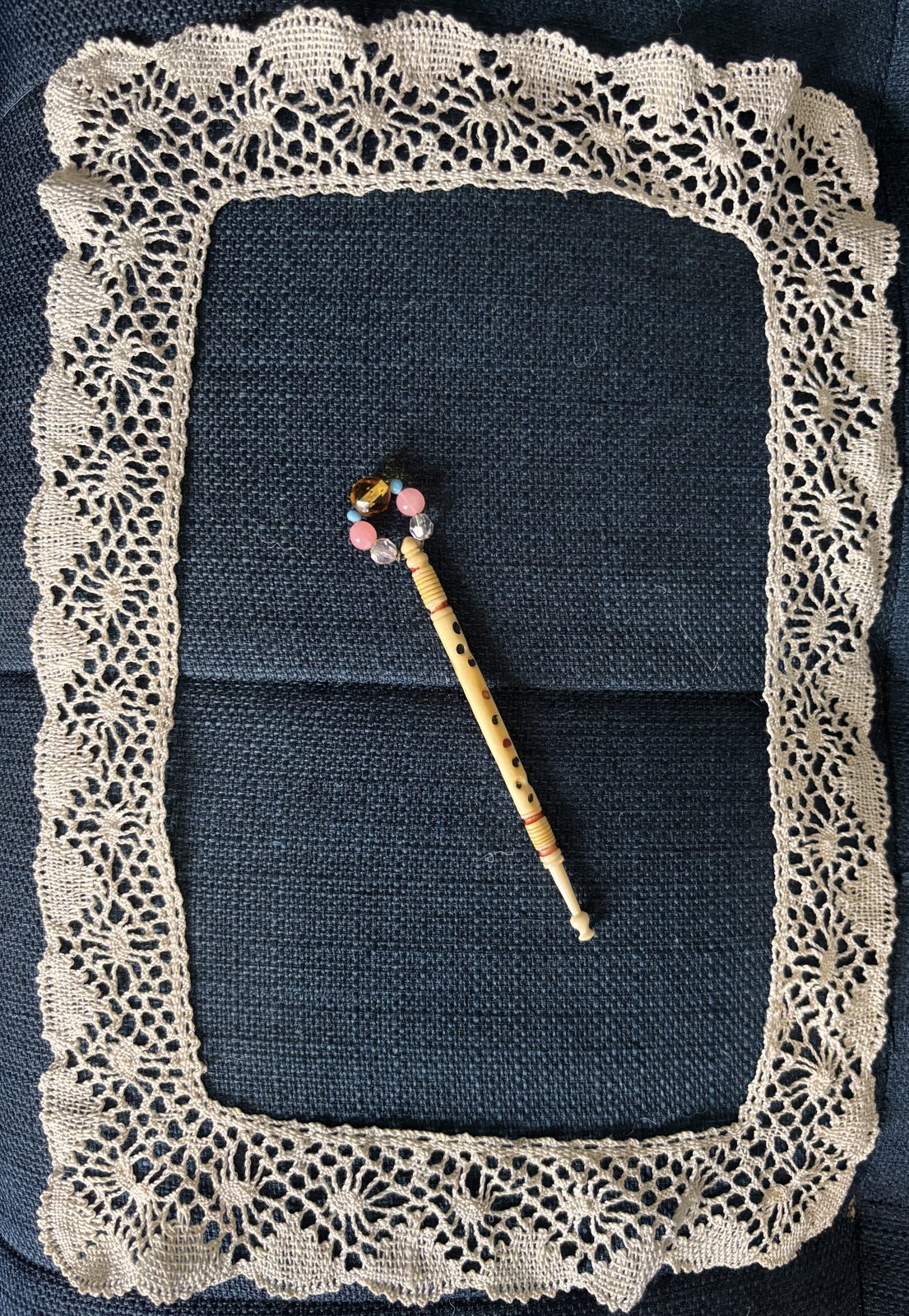 Yorkshire · Arts and craftsArts and crafts of YorkshireYorkshire makes things. Jet from the cliffs at Whitby, mice carved into church pews, furniture for the grandest houses in England, sweaters knitted for fishermen, and lace made on a pillow with a hundred bobbins. Here's the story of each, where to see it, and the woman who taught me lace.
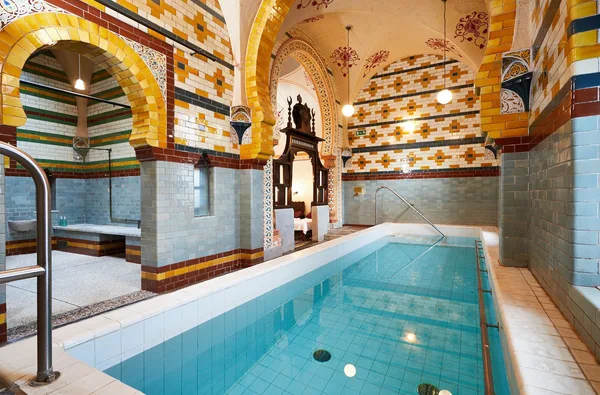 Yorkshire · HarrogateHarrogate, EnglandWhat to do in the North Yorkshire spa town, from someone who lived just outside it for three years and went back to scout it in 2026.
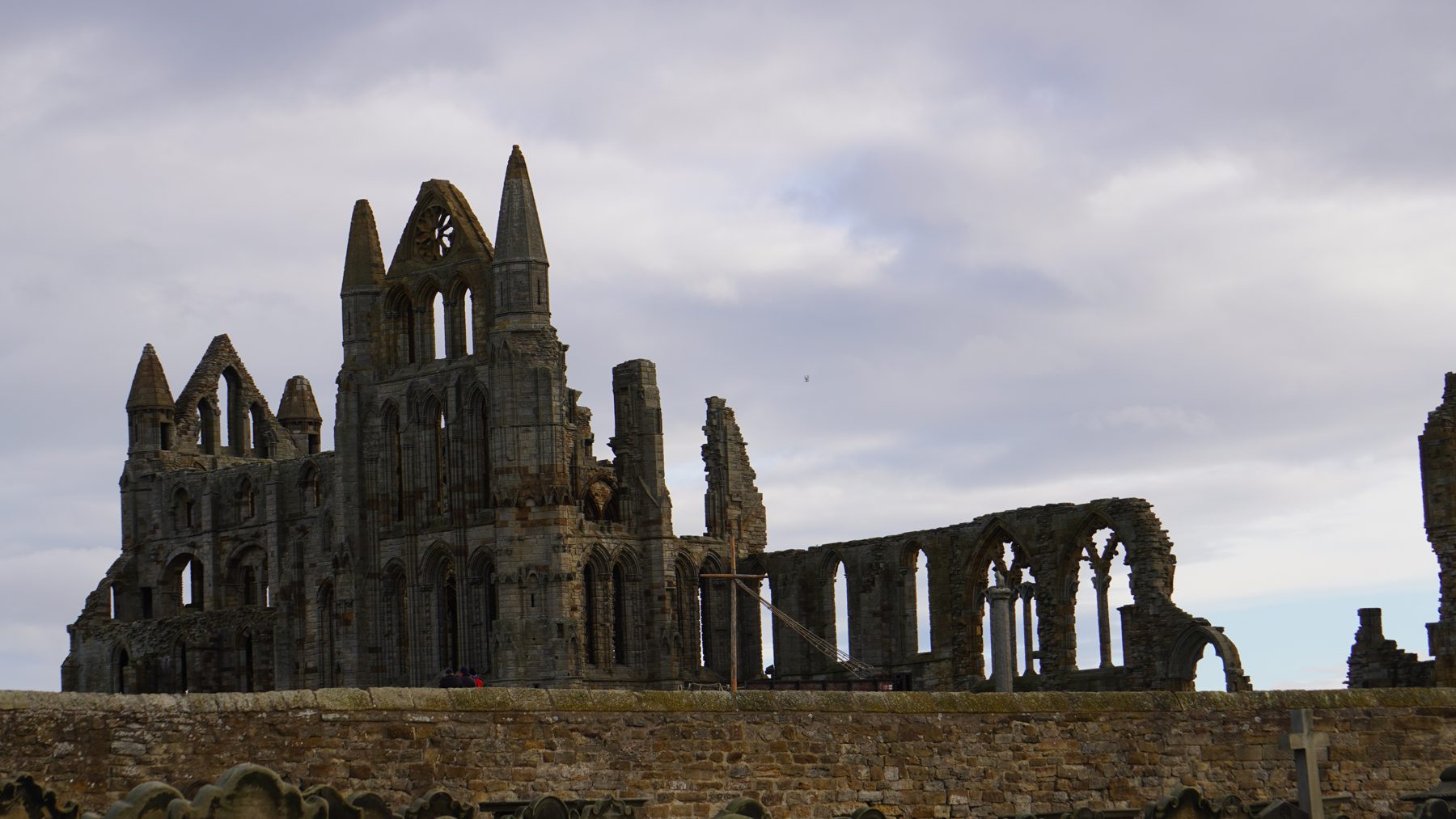 Yorkshire · The moors and the coastWhitby Abbey and DraculaA ruined abbey on a cliff, 199 steps up from the harbour, and one summer in 1890 when Bram Stoker walked into the town library and came out with the name Dracula. Here's what's real, what's in the book, and how to see both.
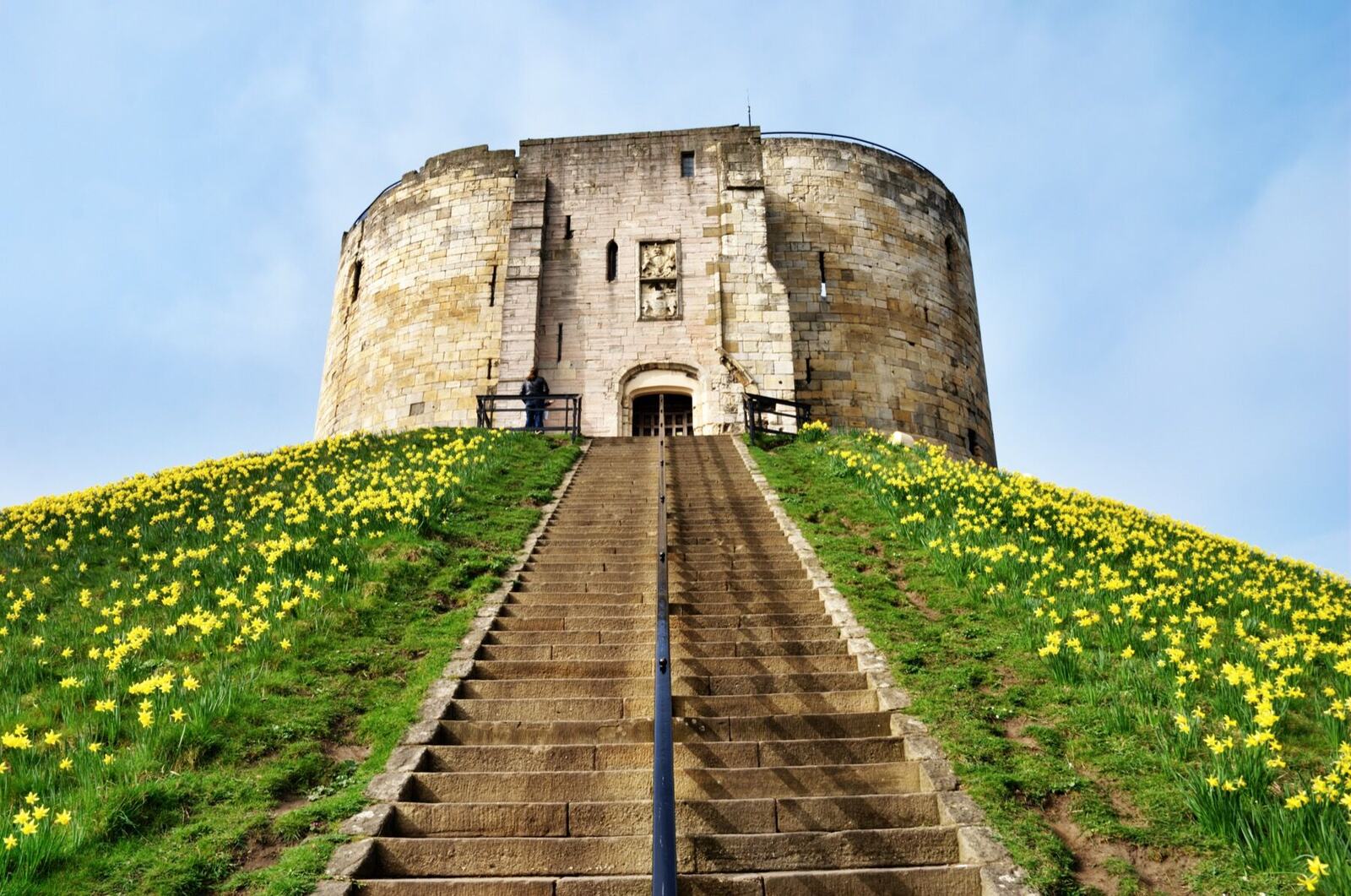 Yorkshire · YorkAn afternoon in YorkExactly how our Thursday afternoon in York goes on the October 2027 trip: three stops together, the story behind each one, then a free-time menu built around the books and shows you already love.
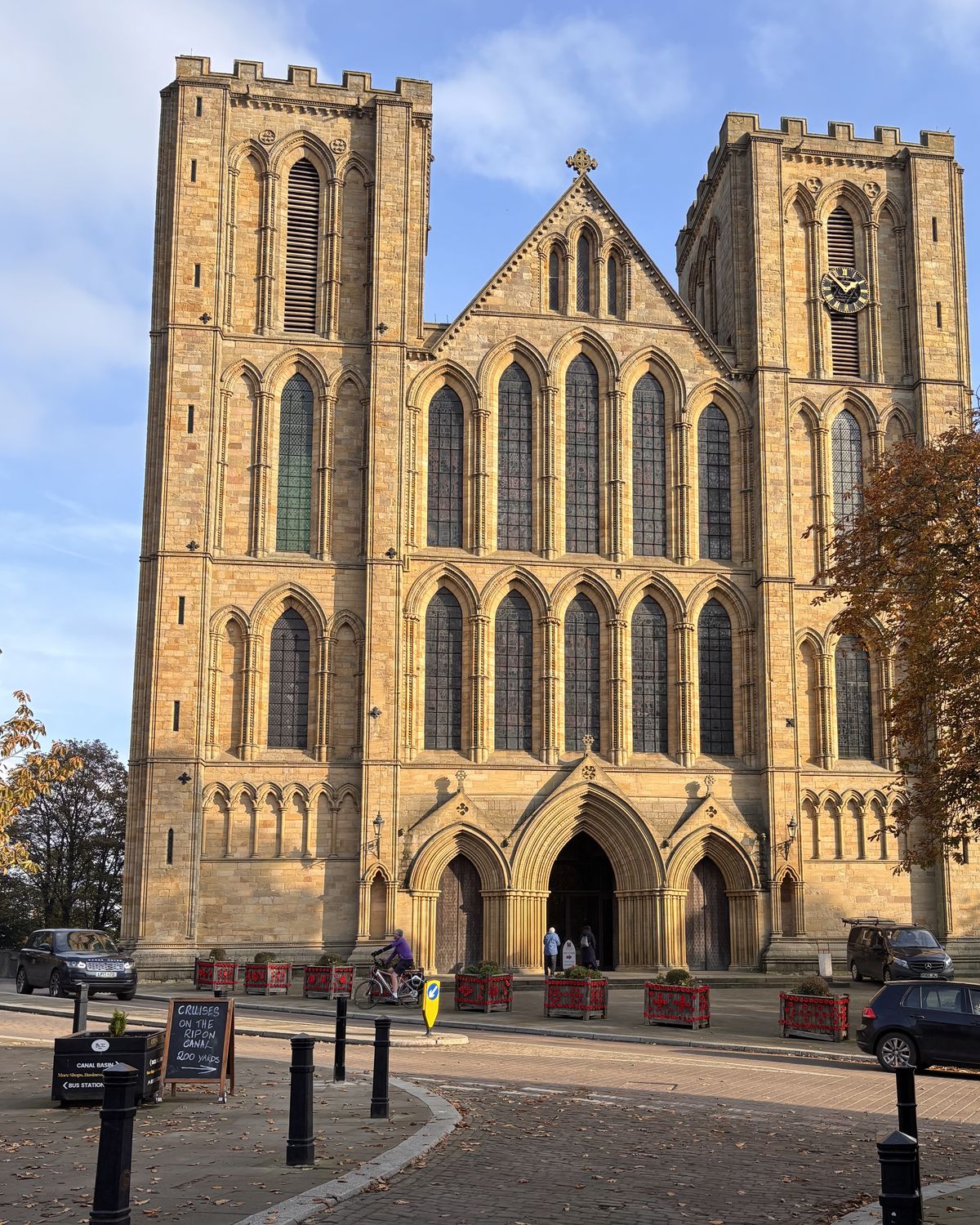 Yorkshire · RiponRipon CathedralA small city's cathedral with a crypt from the year 672 under the floor, medieval carvings that may have given Lewis Carroll his White Rabbit, and a 17th-century dean's house across the road that you can sleep in.
- Yorkshire · YorkThings to do in York, UKWhat's worth your time in York, England, how long each place takes, and the people and books tied to the city. All of it on foot.
Sources
- Wikipedia: Ploughman's lunch (1837 Lockhart; Cheese Bureau and Milk Marketing Board, 1950s–60s)
- Country Life: Who invented the ploughman's lunch?
- Pellicle: In crust we trust, Appleton's Yorkshire pork pie (cured pork, hand-raised)
- Country Life: Hooray for festive ham (York ham)
- Wikipedia: Yorkshire pudding (dripping pudding 1737; Hannah Glasse 1747)
- Historic UK: Yorkshire pudding
- Food Network UK: how Yorkshire pudding won the roast (the Royal Society of Chemistry's 10 cm rule)
- Royal Museums Greenwich: the history of fish and chips, a timeline
- Wikipedia: Fish-and-chip shop (Malin 1860, Lees 1863, Harry Ramsden 1928)
- Wikipedia: Wensleydale cheese (Cistercian monks; Hawes creamery 1897; Kit Calvert)
- Yorkshire Dales National Park: from Hawes to Harrods, 800 years of Dales dairy craft
- Wikipedia: Rhubarb Triangle (PDO, February 2010)
- Defra: Yorkshire Forced Rhubarb PDO specification
- Wakefield Museums and Castles: how liquorice got its roots in Pontefract
- Wikipedia: Pontefract cake
- Wikipedia: Bettys and Taylors of Harrogate (Bettys 1919; Yorkshire Tea 1977)
- Wikipedia: Bird's Custard (1837)
- Wikipedia: Golden syrup (Lyle's, 1883)
- Eat Your Books: Delia Smith's Special cottage pie, Delia's Complete Cookery Course
Get the next Behind the Story guide.
New guides to the real places behind the books and films, by email. Free. Unsubscribe in one click.