
Behind the Story · July 1, 2026
Disability Pride Month: Books, Films, Poems and Music
Six novels with disabled, neurodivergent and struggling main characters, the films made from them, a deaf poet, a deaf percussionist, and the real places from Glasgow to Melbourne.
July is Disability Pride Month in the US, because the Americans with Disabilities Act was signed on July 26, 1990. These six novels are about people living with autism, Alzheimer’s, trauma, grief and loneliness. What I like about all of them is that the condition is never the whole person. And every one of them is set somewhere real you can go: Glasgow, Swindon and London, the length of England, Cambridge, Melbourne and suburban Sweden.
Behind the Story is where I gather the books, films and places behind a story, for people who’d rather see the place than just read about it. Streaming services change what they carry all the time, so each film links to JustWatch, which shows where it’s streaming now.
6 Books 3 Films 1 Poetry Music
-
Book
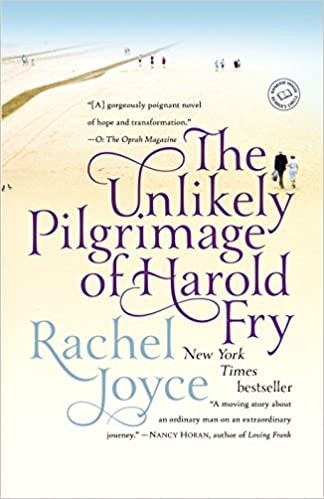
The Unlikely Pilgrimage of Harold Fry
Rachel Joyce
across England, from Devon to Berwick-upon-Tweed, present day
Harold has just retired and doesn't really know what to do with himself. Then a letter arrives from Queenie, an old friend who's dying in a hospice at the other end of the country. He walks out to post a reply and just keeps going: 627 miles, in yachting shoes, because he's decided that as long as he walks, she'll live. It's about grief, regret and a marriage gone quiet. It's also much funnier than that sounds.
Where it takes you: Kingsbridge in south Devon, where Harold starts, then up through the West Country, the Midlands and Yorkshire to Berwick-upon-Tweed, the last town before Scotland. You don't have to walk all of it. A day or two on any stretch will do.
-
Film · 2023
The Unlikely Pilgrimage of Harold Fry
Hettie Macdonald
Jim Broadbent is Harold and Penelope Wilton is his wife, Maureen, and Rachel Joyce wrote the screenplay herself. It was shot on location along Harold's route, starting in Devon and finishing in Berwick-upon-Tweed. Broadbent is the reason to watch: he does a lot with very few words.
-
Film · 2014
Still Alice
Richard Glatzer and Wash Westmoreland
Julianne Moore won the Best Actress Oscar for this. The film moves Alice from Harvard to Columbia in New York. And here's the part most people don't know: Richard Glatzer co-directed it while he had ALS, and by the end of filming he was communicating by typing on an iPad.
-
Book
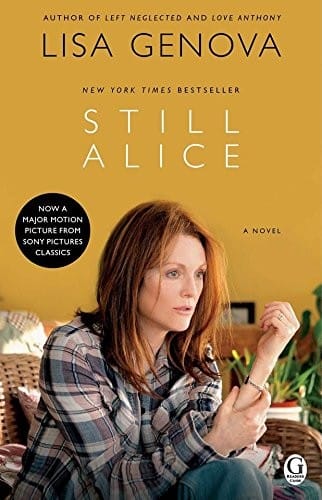
Alice Howland is fifty, a Harvard professor at the top of her field, and she starts forgetting words. The diagnosis is early-onset Alzheimer's. Genova is a neuroscientist, and she couldn't get a publisher, so she put the book out herself in 2007 before Simon & Schuster picked it up. It's told from inside Alice's head, so you lose things as she does. If someone you love has dementia, this will help, and it will hurt.
Where it takes you: Cambridge, Massachusetts, and Harvard, the world Alice built her whole sense of herself around. Then Cape Cod, where the family has a summer house and where so much of what she's losing is stored. Go to Harvard Square on a weekday and you'll see her world.
-
Poetry
Raymond Antrobus
Poet, born in Hackney, London
Antrobus is deaf, British and Jamaican, and his first collection, The Perseverance, won both the Ted Hughes Award and the Rathbones Folio Prize. He was the first poet to win the Folio. The poems are about deafness, language and losing his dad, and they're very easy to get into. Start with that book.
Where it takes you: Hackney, in East London, where he grew up, and where a lot of these poems are set.
-
Music
Evelyn Glennie
Solo percussionist
Glennie has been profoundly deaf since she was twelve, and she's one of the best percussionists in the world. She often plays barefoot so she can feel the sound through the floor. She led the drummers at the opening of the London 2012 Olympics. Put her on, then think about what listening actually means.
Where it takes you: Aberdeenshire, in the northeast of Scotland, where she grew up on a farm. It's a long way north of Glasgow, and worth the drive.
-
Book
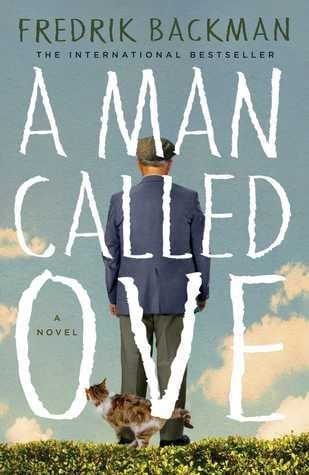
Ove is the grumpiest man on his street, and he's been planning to die since his wife, Sonja, passed away. Then a loud young family moves in next door and keeps interrupting him. Here's the disability thread people forget: Sonja used a wheelchair after a bus crash, and Ove spent years fighting officials who wouldn't build her a ramp. It's a comedy about depression, grief and stubbornness, and it works.
Where it takes you: Sweden's rows of small terraced houses, where everyone's car, recycling and hedge is everyone's business. The street is invented, but you'll recognize it in any Swedish suburb. Go in summer, when it stays light until late at night.
-
Film · 2015
A Man Called Ove
Hannes Holm
The Swedish film, with Rolf Lassgård as Ove, shot largely in Trollhättan in western Sweden. It was nominated for two Oscars. Watch this one first. Tom Hanks made an American version, A Man Called Otto, in 2022, and moved the story to Pittsburgh.
-
Book
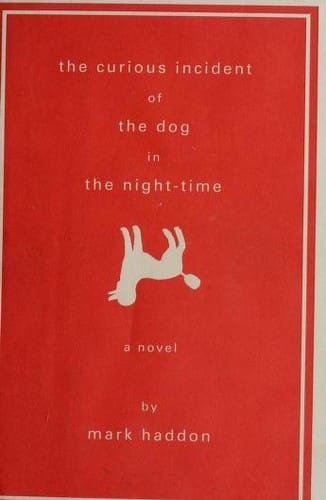
The Curious Incident of the Dog in the Night-Time
Mark Haddon
Swindon and London, England, present day
Christopher Boone is fifteen, knows every prime number up to 7,057, and decides to find out who killed the neighbor's dog. The whole book is in his voice, and by the end you see the world the way he does. The book never names a diagnosis, and Haddon has said that's on purpose. It won the Whitbread Book of the Year in 2003 and became a hit stage play.
Where it takes you: Swindon, an ordinary railway town in Wiltshire, and then London, where Christopher travels alone to find his mother. Those London chapters, the crowds, the noise, the Tube, are some of the most tense pages in modern fiction. You'll never ride the Underground the same way.
-
Book
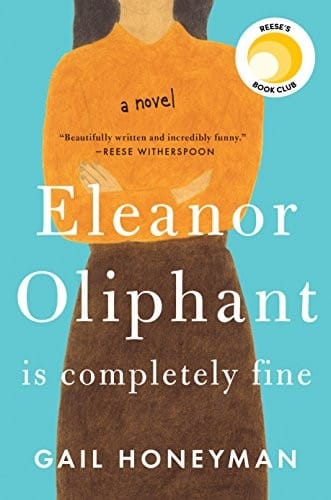
Eleanor goes to work, goes home, drinks vodka and talks to no one all weekend. Then a small kindness from a coworker starts to crack the walls she's built around something terrible from her childhood. It's about loneliness, trauma and learning to let people in, and it's funny the whole way through. It was Honeyman's first novel and won the Costa First Novel Award in 2017.
Where it takes you: Glasgow, Scotland's biggest city and one of the most underrated in Britain: great Victorian buildings, free museums like Kelvingrove, and very good writers. Eleanor's Glasgow is offices, buses and flats, not the tourist version, and that's what makes it real.
-
Book
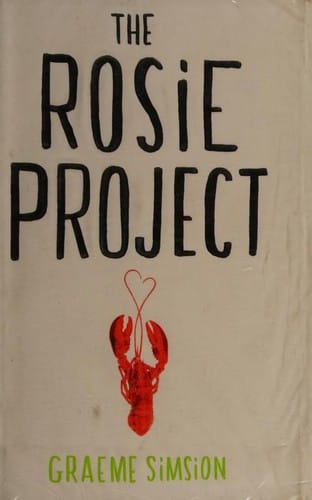
Don Tillman is a genetics professor who runs his life on a strict timetable, and he writes a very long questionnaire to find the perfect wife. Then he meets Rosie, who fails it on almost every count. Don is never diagnosed in the book, but you'll recognize him. It's a romantic comedy with a neurodivergent hero who isn't the joke, and that's rarer than it should be.
Where it takes you: Melbourne, Australia's second city: coffee, laneways full of street art, trams, and a big university crowd, which suits Don's very orderly life. If you've only ever thought about Sydney, this book makes a good case for Melbourne.
None of these characters are their diagnosis, and none of these places are just a backdrop. Pick the one that's closest to home, or the one that's furthest away.
Buy each book from Bookshop.org, which supports independent bookshops and pays us a small commission, or from Amazon. As an Amazon Associate I earn from qualifying purchases. About our affiliate links.
More From Behind the Story
-
 Behind the Story Veterans & Military Families Month: Books, Films, Poems and Music Six novels about war and what comes after, from Vietnam to the trenches of France, from Iraq to occupied France in WWII, and the real places where these stories are written in the ground.
-
 Behind the Story Native American Heritage Month: Books, Films, Poems and Music Six books by and about Native Americans, from Oakland to the Osage Nation of Oklahoma, from the Laguna Pueblo to the Chippewa lands of North Dakota, and the real places where these stories live.
-
 Behind the Story German-American Heritage Month: Books, Films, Poems and Music Six novels about Germany, from wartime Munich to postwar Berlin and the trenches of the Western Front, and the real places where that history is still on the streets.
Get the Prologue list first.
New trips, prices and Prologue lists of books, films and music, by email first. Unsubscribe in one click.