
Behind the Story · November 1, 2026
Native American Heritage Month: Books, Films, Poems and Music
Six books by and about Native Americans, from Oakland to the Osage Nation of Oklahoma, from the Laguna Pueblo to the Chippewa lands of North Dakota, and the real places where these stories live.
November is Native American Heritage Month. The first thing I’d say about this list is that these aren’t books about the past. Most of them are about now: real people whose cultures and land the United States spent two centuries trying to erase, and who are very much still here. They’re also about real places you can visit: Oakland, the Osage Nation of Oklahoma, Laguna Pueblo, the Spokane Reservation, and the Chippewa lands of North Dakota.
Behind the Story is where I gather the books, films and places behind a story, for people who’d rather see the place than just read about it. Streaming services change what they carry all the time, so each film links to JustWatch, which shows where it’s streaming now.
6 Books 1 TV series 1 Podcast 1 Poetry Music 2 Films
-
Book
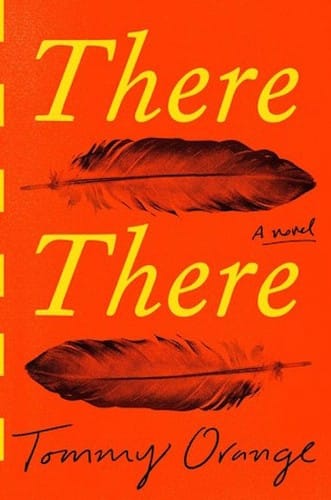
Twelve Native people in Oakland head to the Big Oakland Powwow, each for a different reason. Some are going to dance, some to reconnect with family, and some to commit a robbery. Orange's first novel is a chorus of voices, old and young, traditional and fully city. If you think of Native American life as something in a history book, this is the book that will change your mind. Start here.
Where it takes you: Oakland, especially the Fruitvale neighborhood, and the urban Native community that has lived in the Bay Area since the Bureau of Indian Affairs began relocating people to cities in the 1950s. The Native American Health Center in Fruitvale and the Intertribal Friendship House are community anchors with their own remarkable histories.
-
TV series · 2021–2023
Four teenagers in rural Oklahoma, made by Sterlin Harjo and Taika Waititi with Indigenous writers, directors and cast. It's very funny and then, without warning, it isn't. If There There showed you city life, this shows you small-town life.
-
Podcast · 2019 onward
This Land
Crooked Media
Rebecca Nagle, a Cherokee journalist, walks you through the court cases over whether eastern Oklahoma is still Native land. If The Round House made you angry about federal Indian law, this explains how it works in real life.
-
Book
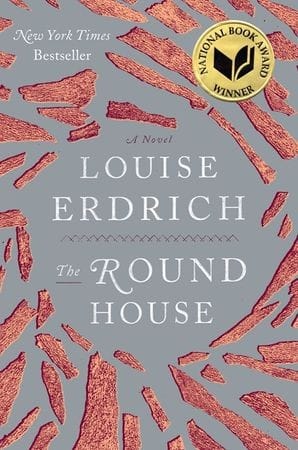
Thirteen-year-old Joe's mother is attacked near the round house on the reservation. Joe spends the summer trying to get her justice from a legal system that won't let the tribe prosecute crimes like this against Native women. It won the National Book Award, and it works three ways at once: a coming-of-age story, a page-turning mystery, and a quiet, devastating case against federal Indian law.
Where it takes you: The reservation in the novel is made up, but it's modeled on the lands of the Turtle Mountain Band of Chippewa in North Dakota, where Erdrich's mother's family comes from and which she draws on in many of her novels.
-
Poetry
Joy Harjo
Poet Laureate of the United States, 2019–2022
Harjo was born in Tulsa and is a member of the Muscogee Nation. She was the first Native American Poet Laureate of the United States, and she served three terms. She's also a saxophone player with eight albums. If you're new to her, start with An American Sunrise (2019), about returning to the Muscogee homelands in the Southeast that her family was forced from.
Where it takes you: Tulsa, Oklahoma. Harjo is the first artist-in-residence at the Bob Dylan Center there, and she lives on the Muscogee Nation Reservation.
-
Music · 1958
Rumble
Link Wray
A rock instrumental with no words at all, and some radio stations still banned it because they thought it sounded like a street fight. Wray was Shawnee, and that distorted guitar sound shaped a lot of the rock that followed. The 2017 documentary Rumble: The Indians Who Rocked the World tells his story, and the stories of many other Native musicians.
-
Book
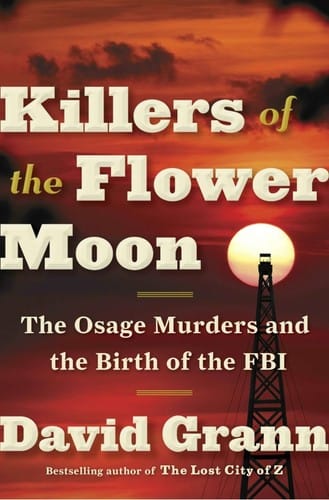
This one is nonfiction, and it reads like a thriller. The Osage had bought reservation land in Oklahoma that turned out to sit on one of the biggest oil deposits in the country. In the 1920s, Osage people started dying under strange circumstances. Grann tells the story of that Reign of Terror and the early FBI investigation. By the end, it lands like a verdict: this was organized murder, and it was covered up for decades. If you've seen the film, read the book anyway.
Where it takes you: Pawhuska, Oklahoma, the capital of the Osage Nation. The Osage Nation Museum tells this history from the Osage point of view, which is how you should hear it first. Around it are the Osage Hills of northeastern Oklahoma, where the oil pumps are still working.
-
Film · 2023
Killers of the Flower Moon
Martin Scorsese
Filmed in Osage County, Oklahoma, including Pawhuska, with Osage people involved in the making of it. Lily Gladstone, who plays Mollie, is the reason to watch. It tells the story from a different angle than the book, so do both.
-
Film · 1998
Smoke Signals
Chris Eyre
Sherman Alexie wrote the screenplay from his own short stories, and it was filmed on the Coeur d'Alene Reservation in Idaho, about two hours' drive from the Spokane Reservation. It was one of the first feature films written, directed and acted by Native Americans. Pair it with The Absolutely True Diary.
-
Book
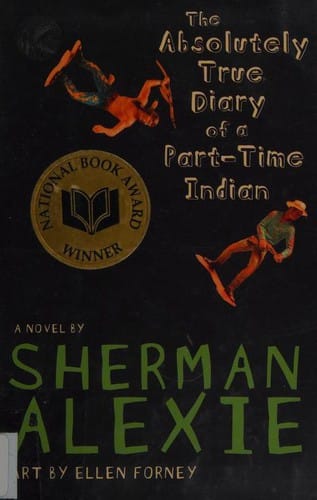
The Absolutely True Diary of a Part-Time Indian
Sherman Alexie
the Spokane Indian Reservation and a nearby white town, present day
Arnold Spirit Jr. decides to leave the reservation school for the all-white high school in Reardan, the nearest town. That makes him a traitor to everyone he loves and a curiosity to everyone he doesn't. It's semi-autobiographical and written for teenagers. It's also one of the most honest books there is about growing up between two worlds, what it costs to want more, and watching your community struggle. It's funny, too, which surprises people.
Where it takes you: Eastern Washington: the Spokane Indian Reservation around Wellpinit, and Reardan, the wheat-farming town a short drive away, in a landscape of wheat fields and big sky. In the city of Spokane, the Northwest Museum of Arts & Culture holds one of the largest collections of Plateau Indian art and objects.
-
Book
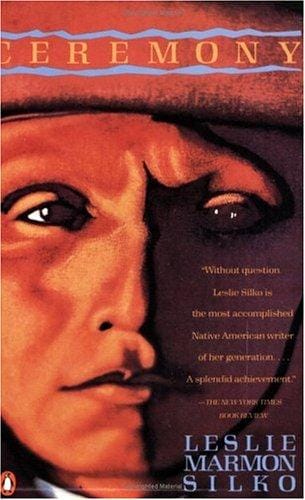
Tayo, a Laguna Pueblo man, comes home from the Second World War broken: by the fighting, by a Japanese prisoner-of-war camp, by the death of his cousin, and by losing the ceremonies that once held his world together. Silko weaves traditional Laguna stories, poetry and myth into his slow recovery. It came out in 1977, and it's one of the founding books of Native American literature. I'd also call it one of the great American novels about what happens to soldiers after the war.
Where it takes you: Laguna Pueblo, New Mexico, one of the nineteen Pueblo nations in the state. Traditional dances on feast days are open to the public. If you go, follow the pueblo's rules, and that usually means no photos. Around it is high desert of red rock, juniper and enormous sky, and it really is as striking as Silko says.
-
Book
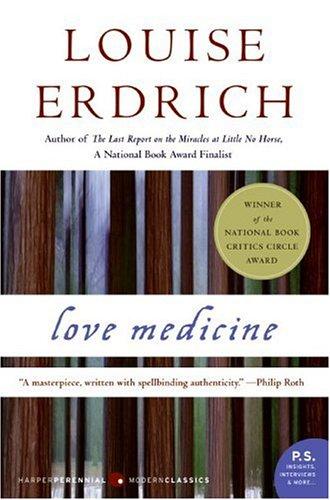
Yes, two Erdrich books. She's earned it. This was her first novel: several generations of two Chippewa families, the Kashpaws and the Lamartines, told over fifty years in voices that take turns. It started the world of linked families and places that she has kept writing about across more than a dozen books, and it's still one of her best: inventive, heartbreaking, and so rooted in North Dakota that the land feels like one of the characters.
Where it takes you: Turtle Mountain, North Dakota, which the novel's reservation is modeled on, and the wider northern plains, where Ojibwe and French-Canadian families together became the Métis community Erdrich's family comes from. The Pembina State Museum in the far northeast corner of the state tells that history.
These are living communities with stories that are still being written. If these books send you to the places they describe, go the way you'd go into anyone's home: as a guest, curious, and listening more than talking.
Buy each book from Bookshop.org, which supports independent bookshops and pays us a small commission, or from Amazon. As an Amazon Associate I earn from qualifying purchases. About our affiliate links.
More From Behind the Story
-
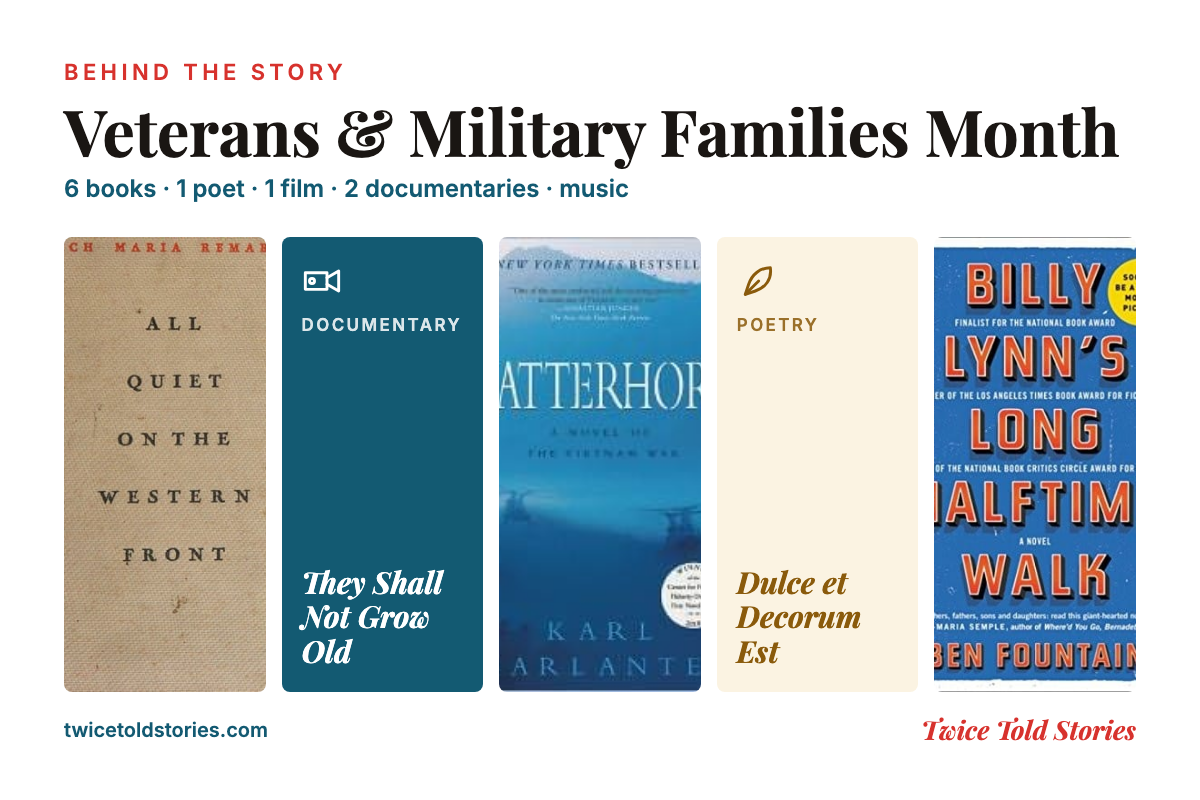 Behind the Story Veterans & Military Families Month: Books, Films, Poems and Music Six novels about war and what comes after, from Vietnam to the trenches of France, from Iraq to occupied France in WWII, and the real places where these stories are written in the ground.
-
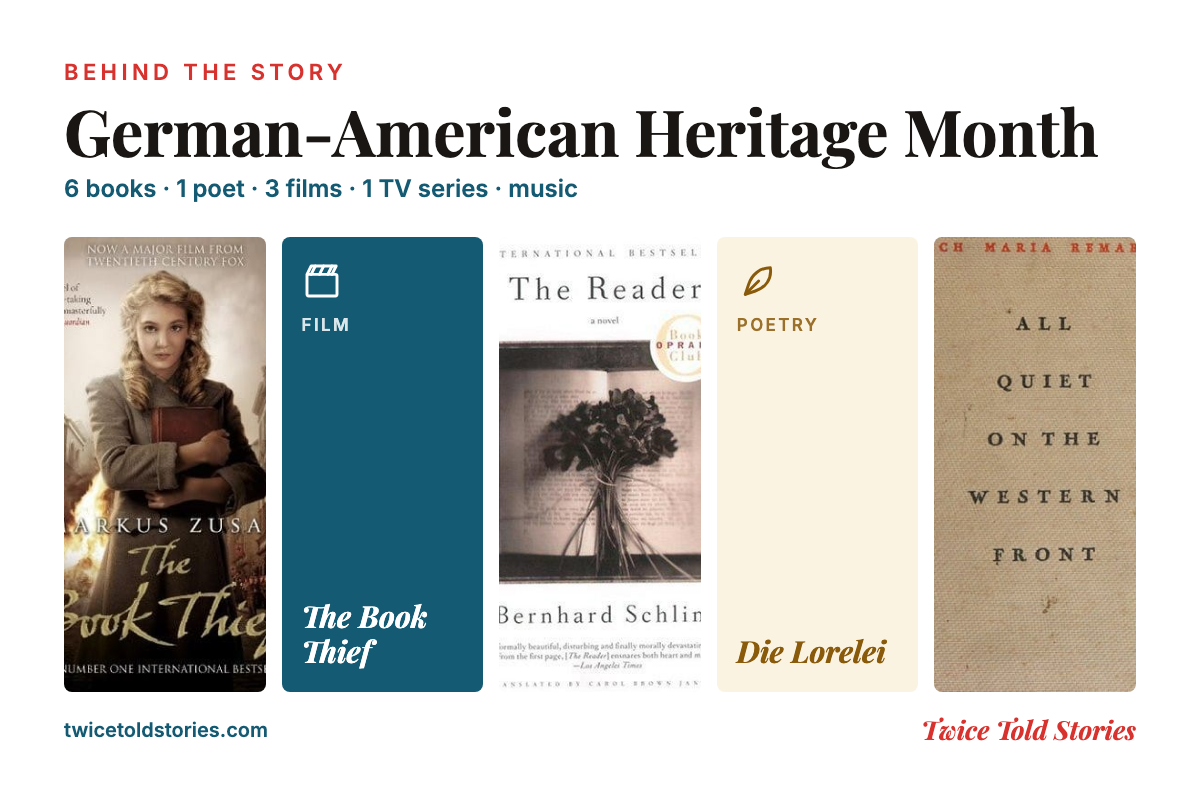 Behind the Story German-American Heritage Month: Books, Films, Poems and Music Six novels about Germany, from wartime Munich to postwar Berlin and the trenches of the Western Front, and the real places where that history is still on the streets.
-
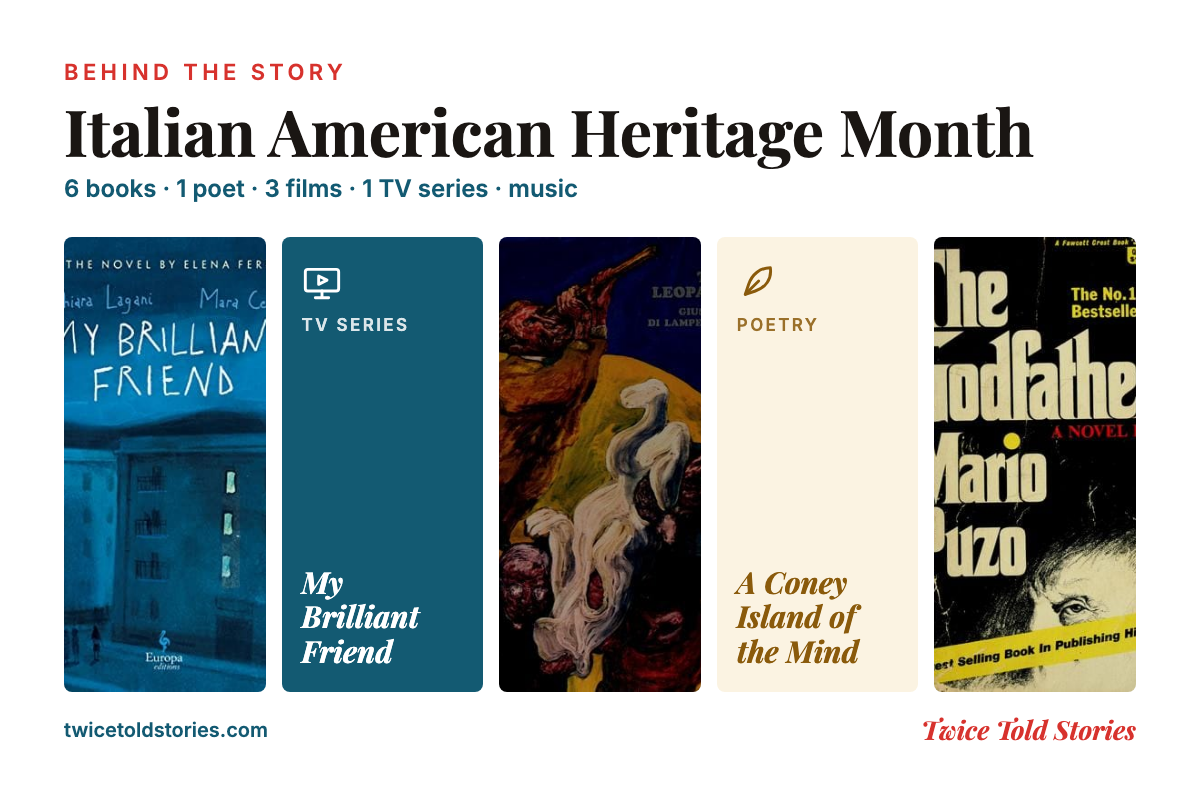 Behind the Story Italian American Heritage Month: Books, Films, Poems and Music Six books and four films, from Naples to Sicily, from the Godfather's New York to Elena Ferrante's fierce friendship, and the real places behind them.
Get the Prologue list first.
New trips, prices and Prologue lists of books, films and music, by email first. Unsubscribe in one click.